A Hardware Founder's Nightmare: The FCC Reverses Approval
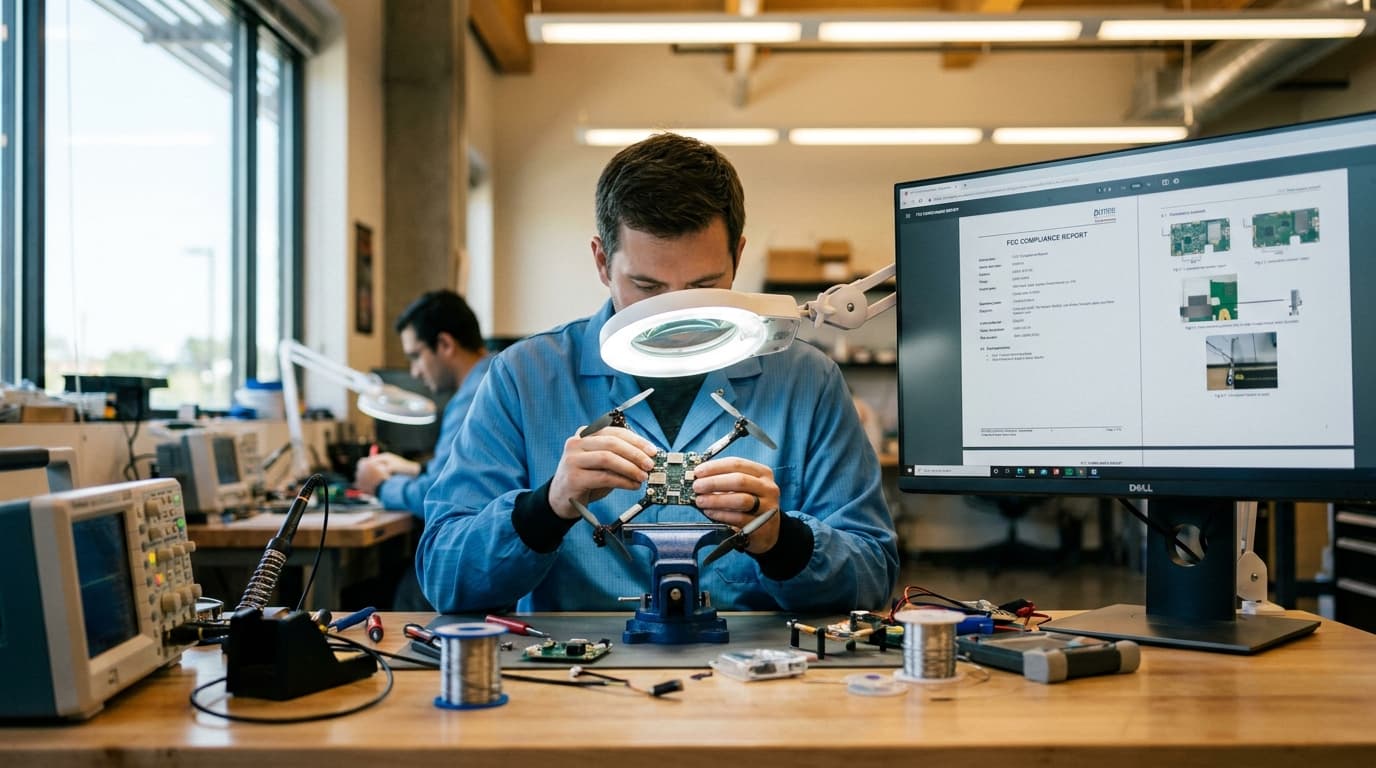
TL;DR: The FCC has revoked certification for HoverAir's new Versa drone, calling its initial approval an error. This sudden reversal serves as a stark warning to hardware startups about the high stakes of regulatory compliance.
Key facts
- Category
- Tech Updates
- Impact
- High
- Published
- Source
- TechRadar
Full summary
The FCC abruptly revoked certification for HoverAir's new drone, a stark warning for hardware startups about the perils of regulatory approval.
Just days after launching its Versa drone on Indiegogo, hardware startup HoverAir has hit a major roadblock. According to TechRadar, the U.S. Federal Communications Commission (FCC) has retracted the device's certification, stating that the approval was granted “erroneously.” The agency is also reportedly “considering further action,” a statement that casts a serious shadow over the product's future in the U.S. market. HoverAir had promoted the Versa, a unique 2-in-1 pocket gimbal and drone, as having secured the necessary FCC approvals for sale. This sudden and public reversal by a key regulatory body turns a promising product launch into a significant cautionary tale for the entire hardware industry.
The FCC’s certification process is the gatekeeper for any device that emits radio frequency energy sold in the United States. To manage the volume, the agency delegates most testing and certification to third-party labs known as Telecommunication Certification Bodies (TCBs). A company like HoverAir submits its device to a TCB, which performs tests and, if the device passes, certifies it on behalf of the FCC. A public revocation of a TCB's grant is an uncommon and serious event. It suggests the failure was not a minor clerical issue but a significant error in testing, documentation, or interpretation of the rules. The Versa’s modular design may have complicated matters, potentially creating ambiguity in how it should be tested and classified, leading to the initial but flawed approval.
This development has immediate and severe consequences for several groups. For HoverAir, it’s a potential crisis, undermining its crowdfunding campaign, damaging its brand reputation, and halting its U.S. go-to-market strategy. For consumers who backed the project on Indiegogo, it introduces significant uncertainty about whether they will receive a legally operable device. For the broader drone market, it removes a potential competitor to industry giant DJI, at least for now. Most critically, for founders, CTOs, and engineering leads at other hardware companies, this incident is a stark reminder of the fragility of regulatory compliance. It demonstrates that receiving a certification grant is not the end of the process; approvals can be scrutinized and even overturned post-launch.
The primary takeaway for any team building physical products is that regulatory strategy cannot be an afterthought or a simple box-ticking exercise. Relying entirely on an external TCB without internal expertise to oversee the process is a significant risk. This case proves that a launch and marketing campaign built on a preliminary approval can collapse overnight. Hardware leaders must budget for deep regulatory expertise, whether in-house or through highly vetted consultants, and build buffer time into their roadmaps for potential compliance challenges. The threat of “further action” from the FCC also highlights that the cost of getting it wrong isn't just a delayed launch—it can include fines and other penalties, adding direct financial risk to operational missteps.
What happens next will be closely watched. HoverAir’s response will be critical to its survival; the company must communicate clearly with its backers and outline a plan to achieve proper certification. The industry will also be looking to the FCC for more details. If the agency clarifies why the initial grant was erroneous, it could set a new precedent for how modular and multi-function wireless devices are evaluated. This high-profile failure is likely to trigger increased scrutiny of compliance claims made by other crowdfunded hardware projects, forcing the entire startup ecosystem to adopt a more rigorous and transparent approach to regulatory approvals.
Related on Notifire
Related stories
Primary source: TechRadar