A New HDR Standard Just Arrived on TVs
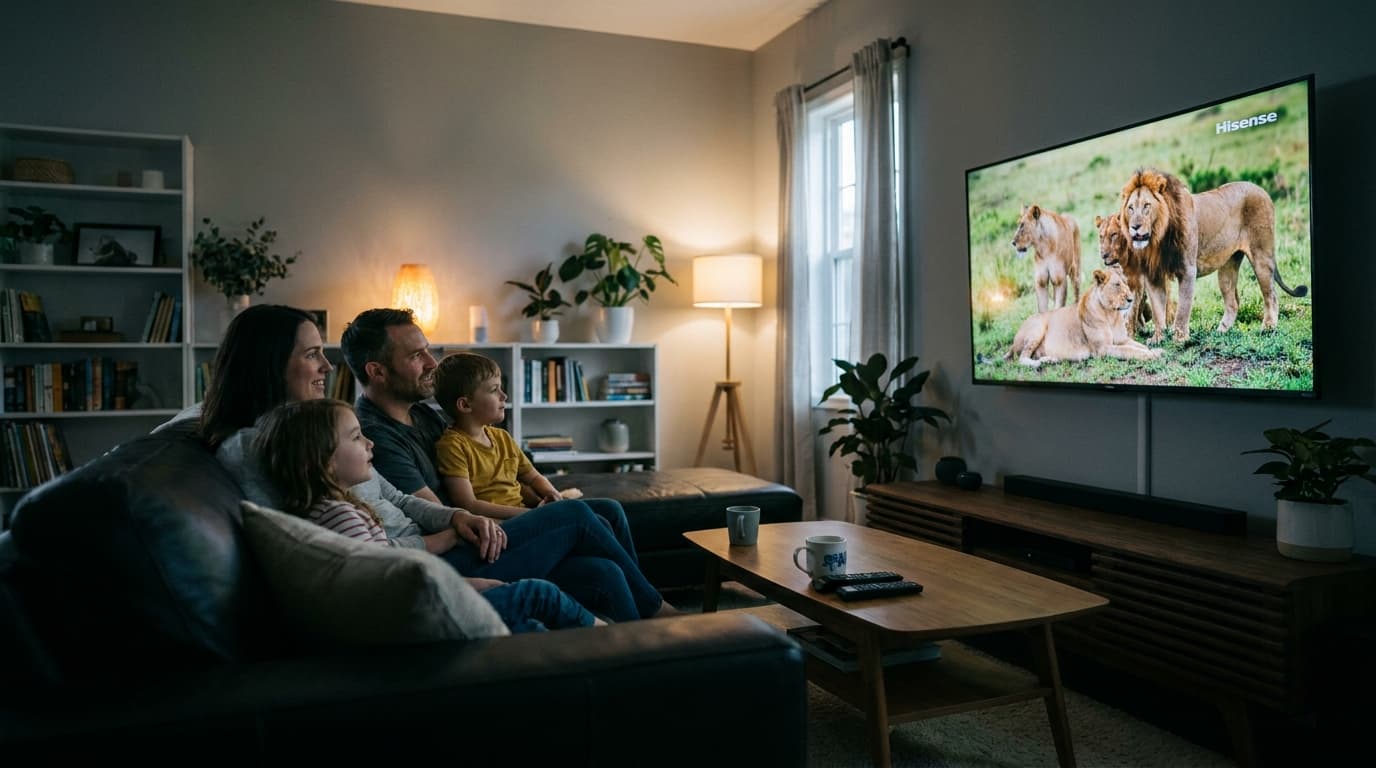
TL;DR: Dolby is rolling out its next-generation HDR format, Dolby Vision 2, with Hisense as its exclusive launch partner for new TVs. The move, supported by streamers like Peacock, signals a new battleground for premium content and display technology.
Key facts
- Category
- Tech Updates
- Impact
- Low
- Published
- Source
- TechRadar
Full summary
Dolby's next-generation HDR format is launching exclusively on new Hisense TVs with early support from streaming service Peacock and iQIYI.
Dolby is officially launching Dolby Vision 2, the next generation of its advanced High Dynamic Range (HDR) format, with television manufacturer Hisense selected as the initial hardware partner. According to reporting from TechRadar, the new standard will first appear on select 2026 Hisense TV models, including the UX, UR9, UR8, and U7 series, that run on either Google TV or the company's proprietary VIDAA operating system. The rollout is planned for customers across North America, Europe, and the Asia-Pacific region. To ensure content is available from day one, Dolby has secured early support from major streaming services. In the United States, Peacock will be the primary initial partner, while the popular Chinese streaming platform iQIYI is also on board, signaling a strategic push into key international markets.
While the source material does not specify the precise technical upgrades, the introduction of a "next generation" HDR format points to an evolution in how visual data is processed and displayed. HDR technology fundamentally works by expanding the range between the darkest blacks and the brightest whites a screen can produce, while also enabling a wider and more accurate color gamut. Formats like Dolby Vision have traditionally differentiated themselves by using dynamic metadata, which allows for scene-by-scene or even frame-by-frame adjustments to optimize the picture, rather than applying a single static setting for an entire film or show. The launch of Dolby Vision 2 suggests further refinements to this process, likely aimed at delivering even greater visual fidelity, improved brightness control, and more nuanced color representation to meet the demands of modern content production and increasingly capable display hardware.
This launch is significant for several key players in the technology and media industries. For Hisense, securing a timed exclusive for a major new format provides a powerful competitive differentiator in the crowded television market, potentially attracting early adopters and videophiles. For Dolby, a successful rollout is crucial for driving adoption of its licensed technology and maintaining its leadership position against competing standards like HDR10+. The most direct impact, however, is on content creators, streaming platforms, and application developers. CTOs and engineering teams at media companies must now evaluate whether to invest in mastering and delivering content in this new format. Supporting Dolby Vision 2 requires updates to video encoding pipelines, content delivery networks, and client-side video players, representing a new technical consideration for anyone building or maintaining video-centric products.
The business strategy behind this launch reveals a calculated approach to building a new media ecosystem. By partnering with a high-volume manufacturer like Hisense and securing key regional streaming services like Peacock and iQIYI, Dolby is attempting to solve the classic chicken-and-egg problem that plagues all new format introductions. You need a critical mass of compatible hardware in homes to convince studios and streamers to produce content for it, and you need compelling content to convince consumers to buy the hardware. This initial, focused partnership creates a foundational ecosystem that Dolby can then leverage to bring other hardware manufacturers and content distributors on board. For business leaders and strategists, this is a clear signal of the ongoing format wars in home entertainment, where proprietary standards and strategic alliances are key tools for capturing market share.
Moving forward, the success of Dolby Vision 2 will depend entirely on broader industry adoption. The key indicator to watch will be whether other major television brands, such as Samsung, LG, and Sony, announce support for the format in their upcoming product lines. Equally important will be the commitment from global streaming giants like Netflix, Disney+, and Amazon Prime Video. Without their backing, Dolby Vision 2 risks becoming a niche feature limited to a single hardware brand. The initial rollout on specific Hisense models suggests a deliberate, phased approach, but the pressure will be on to expand its footprint quickly to establish it as the new de facto standard for premium HDR content.
Why it matters
The introduction of a new HDR format creates a new standard for content creators, streaming platforms, and hardware manufacturers to consider. For tech teams, this means evaluating support for Dolby Vision 2 in video encoding pipelines and applications to stay competitive.
Business impact
Hisense gains a temporary market differentiator with this exclusive launch. Dolby's success depends on convincing other hardware makers and major streaming services like Netflix and Disney+ to adopt the new format, creating a new licensing revenue stream and reinforcing its market position against standards like HDR10+.
Tags
Related on Notifire
Related stories
Primary source: TechRadar