A New Wave of Startups Wants to Scan Your Body
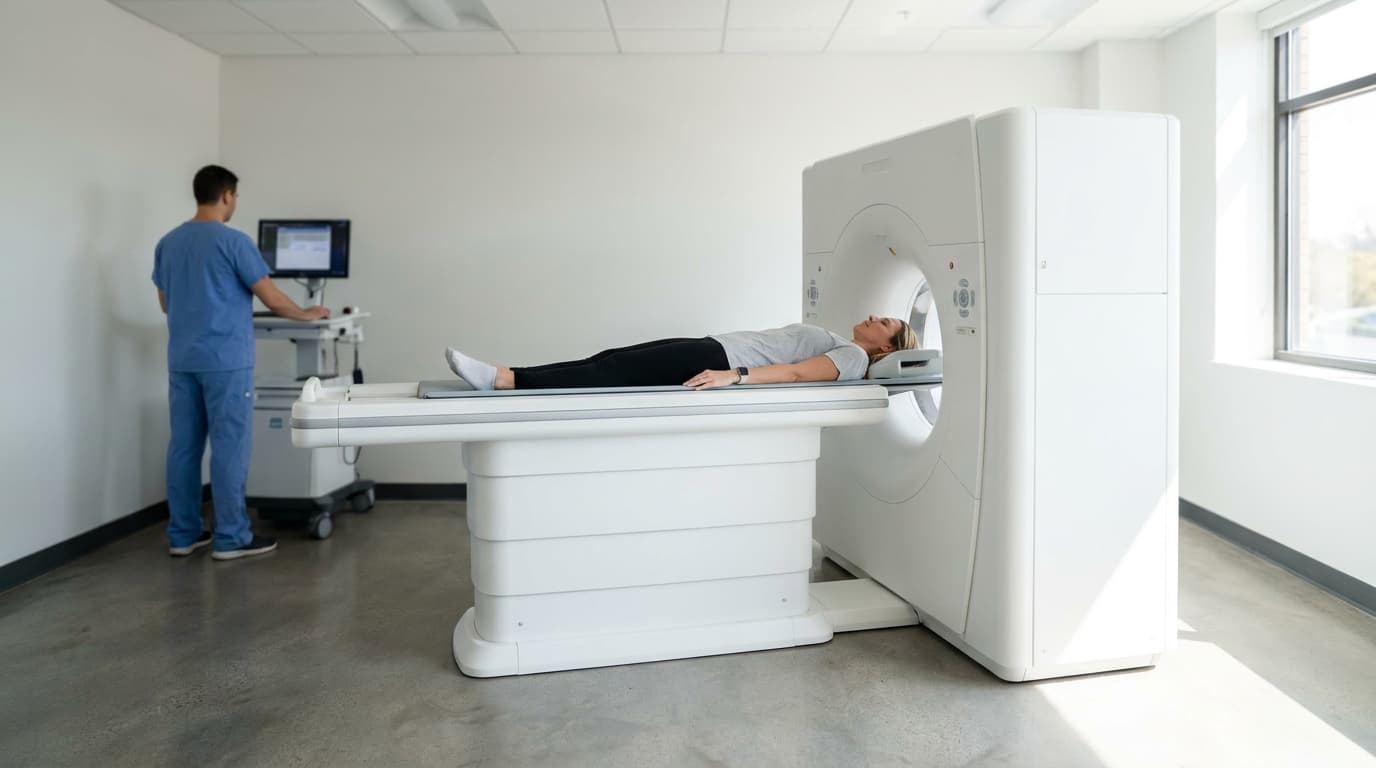
TL;DR: Spotify founder Daniel Ek's new startup, Neko Health, uses full-body scans for preventative healthcare. It's part of a major new trend where investors are betting heavily on data-driven health tech to predict and prevent disease.
Key facts
- Category
- Tech Updates
- Impact
- High
- Published
- Source
- TechCrunch Startups
Full summary
Spotify founder Daniel Ek’s new startup is part of a wave of companies using body scans for preventative healthcare.
Spotify founder Daniel Ek is backing a new venture in preventative medicine called Neko Health, which uses full-body scans to detect health issues early. According to reporting from TechCrunch, the company is part of a broader, well-funded movement to shift healthcare from reactive treatment to proactive prevention. This emerging market is attracting significant investor attention and includes competitors like Function Health, which has also raised substantial capital for its own platform, and even the AI image generator Midjourney, which is reportedly developing its own body scanning hardware. The core idea is to use technology to provide a comprehensive snapshot of a person's health, identifying potential problems long before symptoms appear and empowering individuals to take control of their well-being through data.
At the heart of these new platforms is the convergence of advanced hardware, sensor technology, and artificial intelligence. While traditional check-ups rely on blood tests and manual examinations, companies like Neko Health employ non-invasive scanners that can capture hundreds of data points about the body in minutes. This can include everything from skin temperature and composition analysis to cardiovascular assessments. The real innovation, however, lies in the software layer. Sophisticated AI models process this vast amount of raw data to identify patterns, anomalies, and risk factors that might be invisible to the human eye. For technical teams, the challenge is immense: it requires building a secure and scalable pipeline to ingest, process, and analyze extremely sensitive health data, all while ensuring the underlying models are accurate, unbiased, and compliant with strict medical regulations.
The rise of preventative scanning startups reflects a significant cultural and technological shift. For decades, comprehensive preventative care has been the domain of the wealthy, involving expensive and time-consuming executive physicals. Technology is now democratizing this capability, driven by falling hardware costs, ubiquitous connectivity, and major advances in machine learning. This trend aligns with a growing consumer demand for personalized, data-driven health insights, similar to how fitness trackers and smartwatches have made people more aware of their daily activity and sleep patterns. Investors see a massive, untapped market in empowering people to manage their health proactively, moving beyond the traditional cycle of sickness and treatment to a new paradigm of continuous health monitoring and optimization.
Looking ahead, the biggest hurdles for Neko Health and its competitors will be clinical validation, regulatory approval, and building public trust. The technology must be proven to be not only safe but also medically effective, providing genuinely useful insights rather than causing unnecessary anxiety. For CTOs and security teams at any company handling user data, this sector serves as a crucial case study in the ethics and security of personal information. The sheer sensitivity of the data collected—a complete digital record of a person's body—creates unprecedented privacy risks and makes these companies a prime target for cyberattacks. The key things to watch will be how these startups navigate the complex web of healthcare regulations like HIPAA, how they secure their data infrastructure, and whether they can convince both consumers and the medical establishment that their technology is a reliable pillar of future healthcare.
Why it matters
This trend signals a major engineering challenge in health-tech: integrating custom hardware, massive sensor data streams, and AI for diagnostics. For developers and CTOs, it highlights the growing need for robust, secure platforms to handle highly sensitive personal health information at scale, raising significant privacy questions.
Business impact
The significant investment in companies like Neko Health and Function Health signals the emergence of a high-growth preventative healthcare market. For businesses, this creates both a major new competitive arena and partnership opportunities, forcing a re-evaluation of how technology, data, and consumer health services will intersect.
Tags
Related on Notifire
Related stories
Primary source: TechCrunch Startups