A Smart Doorbell Sparked a Landmark UK Privacy Case
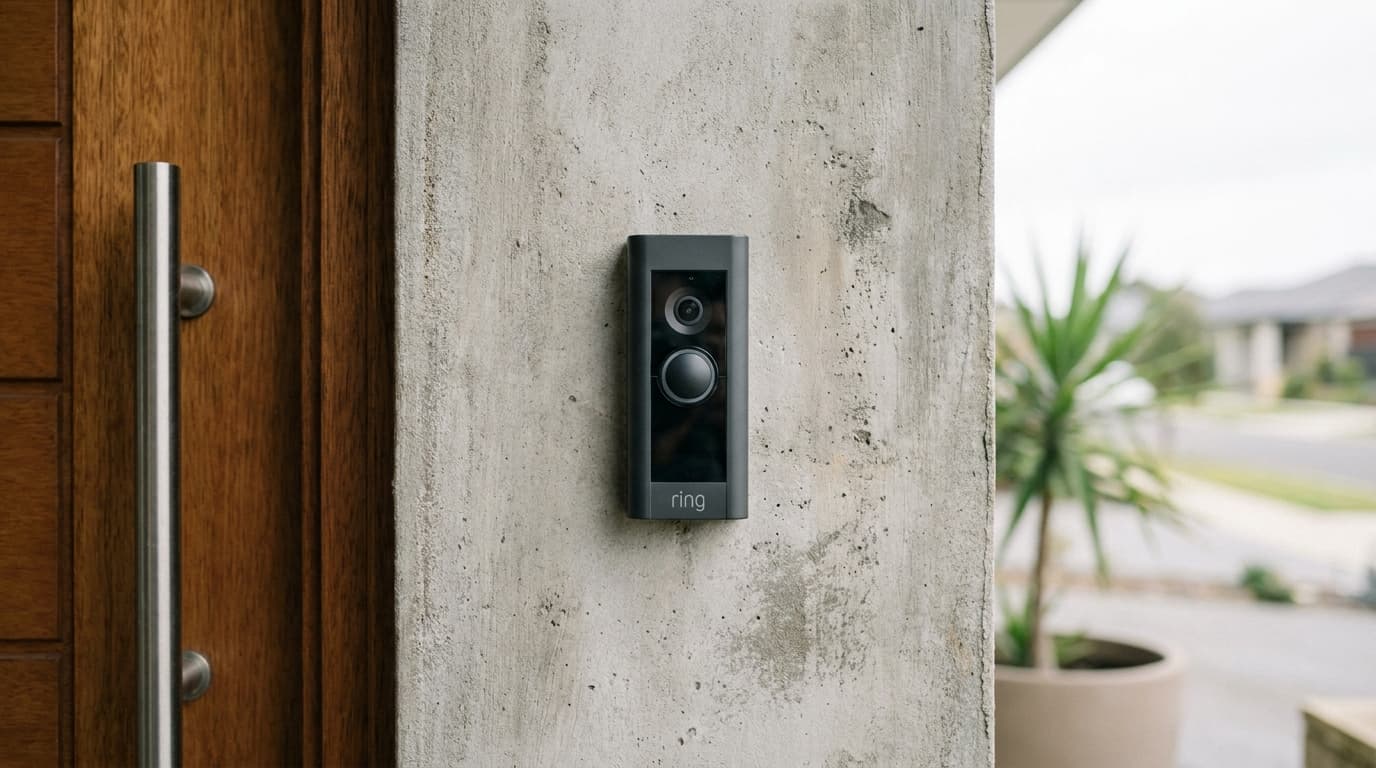
TL;DR: A UK court ruled a homeowner's Ring video doorbell illegally captured a neighbor's data, violating GDPR. The case sets a critical precedent for IoT device makers, highlighting the legal risks of constant audio and video surveillance.
Key facts
- Category
- Tech Updates
- Impact
- High
- Published
- Source
- TechRadar
Full summary
A UK homeowner's Ring doorbell led to a landmark privacy lawsuit, setting a new legal precedent for consumer IoT devices.
A dispute between neighbors over a Ring video doorbell has resulted in a landmark UK legal ruling with significant implications for the Internet of Things (IoT) industry. According to reporting from TechRadar, a homeowner in Oxfordshire was ordered to pay substantial damages to his neighbor after a judge found his home security setup, which included a video doorbell and other cameras, breached UK data protection laws. The court determined that the devices excessively captured video and, crucially, audio from the neighbor's property, constituting a form of harassment and a serious invasion of privacy. The case, Fairhurst v. Woodard, represents one of the first major legal tests applying the principles of the General Data Protection Regulation (GDPR) and the UK's Data Protection Act to consumer-grade smart devices. The ruling establishes that individuals can be held liable as data controllers for the information their personal security cameras collect, moving the issue from a simple nuisance complaint to a formal data privacy violation.
The court's decision hinged on the specific technical capabilities of the devices in question. The judge found that the video doorbell's field of view was wide enough to capture movement and images well outside the homeowner's property line, including the neighbor’s house and garden. However, the most problematic feature was the device's audio recording capability. The court deemed the constant capture of audio to be far more intrusive and unjustified than the video footage. It could record private conversations from a significant distance, which was ruled to be a processing of personal data for which the homeowner had no legitimate basis. This distinction is critical for developers and product managers: while video surveillance has a recognized purpose for security, the always-on collection of audio in public-facing spaces is viewed by the courts as a much higher-level privacy intrusion. The case highlights that the default settings and inherent capabilities of a device can create legal liability for the end-user, and by extension, the manufacturer.
This ruling does not exist in a vacuum. It fits into a broader global conversation about data privacy and the rapid proliferation of smart devices in our homes and cities. For years, the debate around IoT data collection has focused on the relationship between consumers and large tech companies. This case shifts the focus, demonstrating how consumer-to-consumer disputes can become a new legal battleground for data protection. It establishes a powerful precedent that personal IoT devices are not exempt from the rigorous standards of data privacy laws like GDPR. The judgment signals that the convenience of smart technology does not override fundamental privacy rights. For the tech industry, this serves as a clear warning that product design choices have direct legal consequences in the real world. Features that are marketed for security or convenience can easily cross the line into unlawful surveillance if not implemented with careful consideration for privacy.
For founders, developers, and security teams, the practical takeaway is the urgent need to embed privacy-by-design and privacy-by-default principles into the product development lifecycle. This case underscores that simply providing users with settings to adjust is not enough; the default configuration of a device matters immensely. Audio recording, in particular, should likely be an opt-in feature that requires explicit and informed consent, rather than being enabled by default. Furthermore, tools that help users limit the scope of surveillance, such as precise and easily configurable activity zones or privacy masks, are no longer just value-add features but essential risk mitigation tools. Looking ahead, we can expect increased regulatory scrutiny on the default settings of consumer IoT devices and potentially more litigation from individuals who feel their privacy has been violated. Companies that proactively design for privacy will not only reduce their legal exposure but also build greater trust with their customers in an increasingly skeptical market.
Why it matters
This case extends data protection laws like GDPR to consumer IoT devices in a real-world legal setting. For developers and security teams, it proves that features like wide-angle cameras and constant audio recording can create significant legal liability, demanding a privacy-by-design approach.
Business impact
The ruling creates a new compliance risk for companies making or deploying smart surveillance devices. It signals that 'off-the-shelf' consumer tech can lead to costly lawsuits and damages, forcing businesses to re-evaluate their own security installations and product features.
Tags
Related on Notifire
Related stories
Primary source: TechRadar