A Waymo Robotaxi Was the Perfect Getaway Car
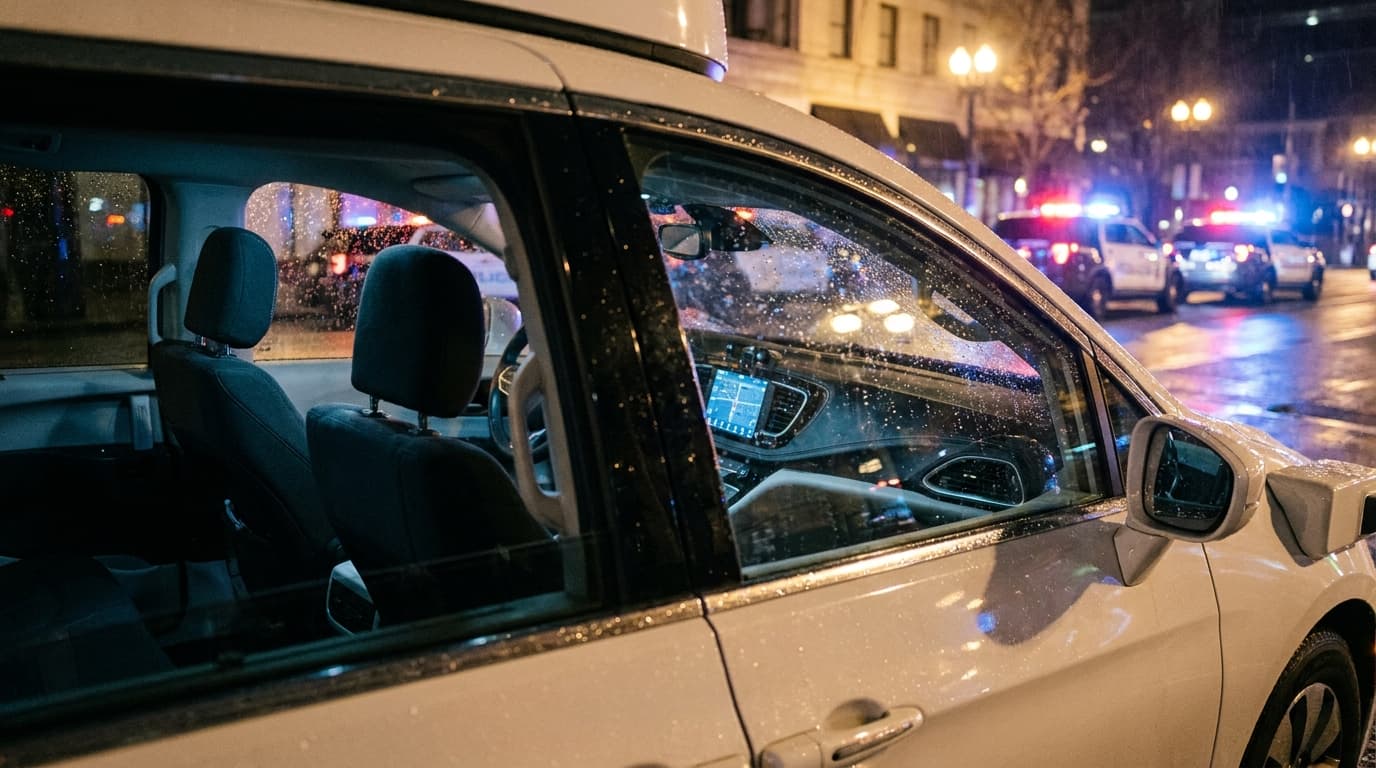
TL;DR: A burglar in San Francisco used a Waymo robotaxi as a getaway car and remains at large, despite the vehicle's many cameras. The case highlights major gaps in how autonomous vehicle data is used for law enforcement.
Key facts
- Category
- Tech Updates
- Impact
- High
- Published
- Source
- Slashdot
Full summary
A San Francisco burglar used a camera-filled Waymo robotaxi as a getaway car. Police still haven't found the suspect.
In January, a burglar used a Waymo robotaxi to commit a crime at a San Francisco yoga studio and successfully escaped. Despite the autonomous vehicle being equipped with numerous high-definition cameras and requiring a user account tied to a credit card, law enforcement has been unable to identify or apprehend the suspect. The police officer assigned to the case expressed surprise at the difficulty, initially believing the vehicle's extensive surveillance technology would make for a quick resolution. This assumption proved incorrect, as the suspect remains at large months after the incident. The event demonstrates a significant and unexpected failure of modern surveillance technology to deter or solve a conventional crime, challenging the idea that more cameras automatically lead to better security.
This case serves as a critical real-world test for the security frameworks of autonomous vehicle companies and the broader tech industry. For CTOs and security teams, it exposes key vulnerabilities in user verification and data utility. The burglar likely used a stolen credit card or a fraudulent account, bypassing the primary identity check. Furthermore, even with high-definition footage, a simple disguise could render the data useless for identification. The incident forces companies to re-evaluate their assumptions about how their technology will be used and abused. It raises urgent questions about data retention policies, the speed of cooperation with law enforcement, and whether current security measures are sufficient to handle bad actors exploiting the system's anonymity.
The implications extend beyond just Waymo, affecting the entire autonomous technology and IoT landscape. As more automated systems are deployed in public spaces—from delivery drones to smart city infrastructure—they create new surfaces for criminal activity. This incident is a powerful reminder that sophisticated technology can be defeated by simple, traditional methods. It underscores the need for a more holistic approach to security that combines technological surveillance with robust identity verification and practical, real-world operational planning. Businesses building and deploying these systems must now consider not only how their products function under ideal conditions, but also how they fail when targeted by determined individuals.
Related on Notifire
Related stories
Primary source: Slashdot