AMD Reinstates Free Vivado Linux Support
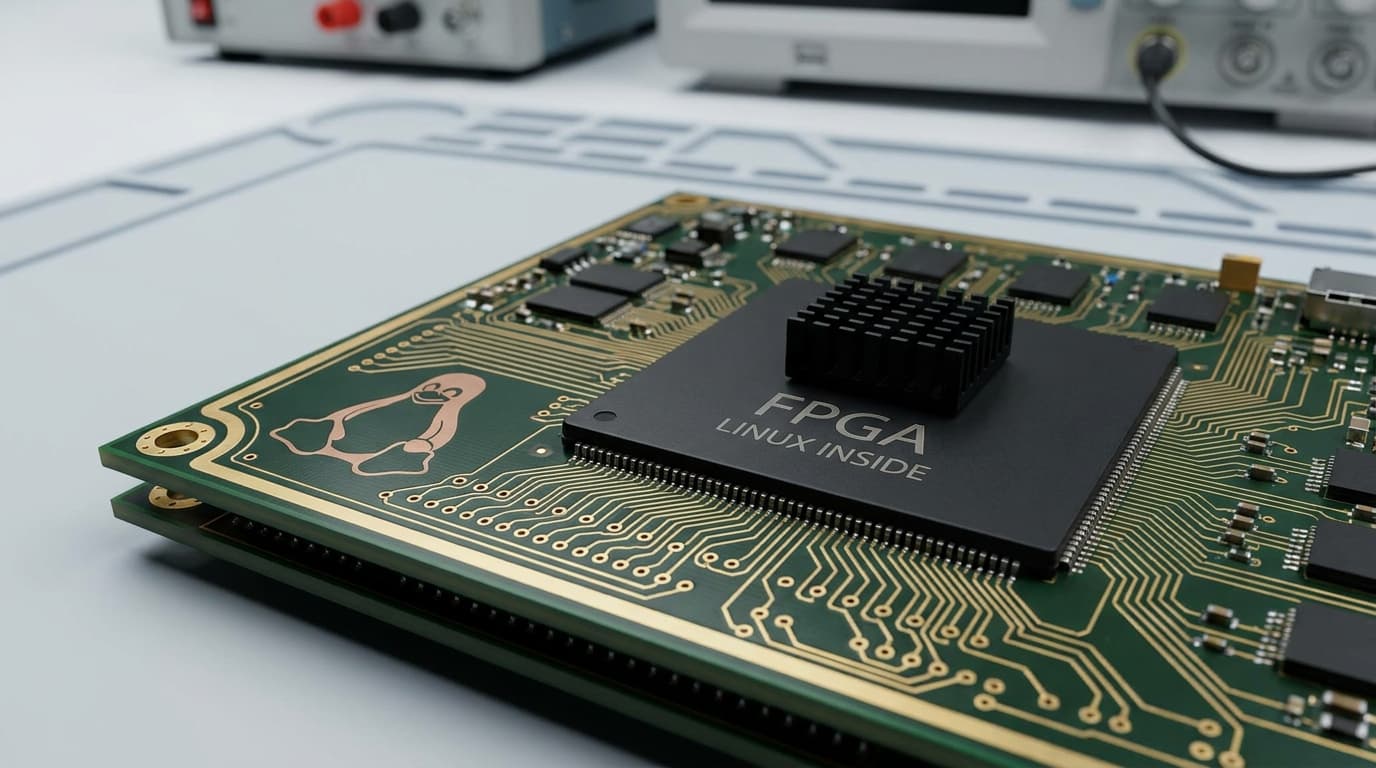
TL;DR: AMD has reinstated Linux support for the free version of its Vivado design suite. This move reverses an earlier, unpopular decision and is a welcome update for hardware and embedded systems engineers who rely on Linux for developing with FPGAs and adaptive SoCs.
Key facts
- Category
- Tech Updates
- Impact
- Medium
- Published
- Source
- Hacker News
Full summary
AMD has reversed its decision, restoring Linux support for the free version of its Vivado design suite for FPGAs and adaptive SoCs.
AMD has announced it is restoring Linux support for the free, "Basic" version of its Vivado Design Suite. This software is essential for developers working with Field-Programmable Gate Arrays (FPGAs) and adaptive Systems-on-a-Chip (SoCs), allowing them to design, simulate, and implement complex digital circuits. The company had previously removed Linux support from the free tier, a decision that was met with significant criticism from the hardware development community. The reversal means that developers using Linux operating systems can once again access the core features of the Vivado toolchain without needing a paid license or resorting to workarounds like virtual machines running Windows. This change applies to the latest versions of the software, making modern FPGA development more accessible on the popular open-source platform.
This decision is a significant quality-of-life improvement for a large segment of the hardware and embedded systems engineering community. Many professional and hobbyist developers in this field prefer or are required to use Linux environments for their workflows due to its powerful command-line tools, stability, and open-source nature. Removing support had created a major obstacle, forcing users to either purchase expensive licenses or adopt less efficient development setups. By listening to community feedback and reversing course, AMD is strengthening its relationship with a key user base and lowering the barrier to entry for students, researchers, and startups looking to innovate with its programmable logic devices.
Tags
Related on Notifire
Related stories
Primary source: Hacker News