Apple's Robot Hardware Is Ready, But Software Is Not
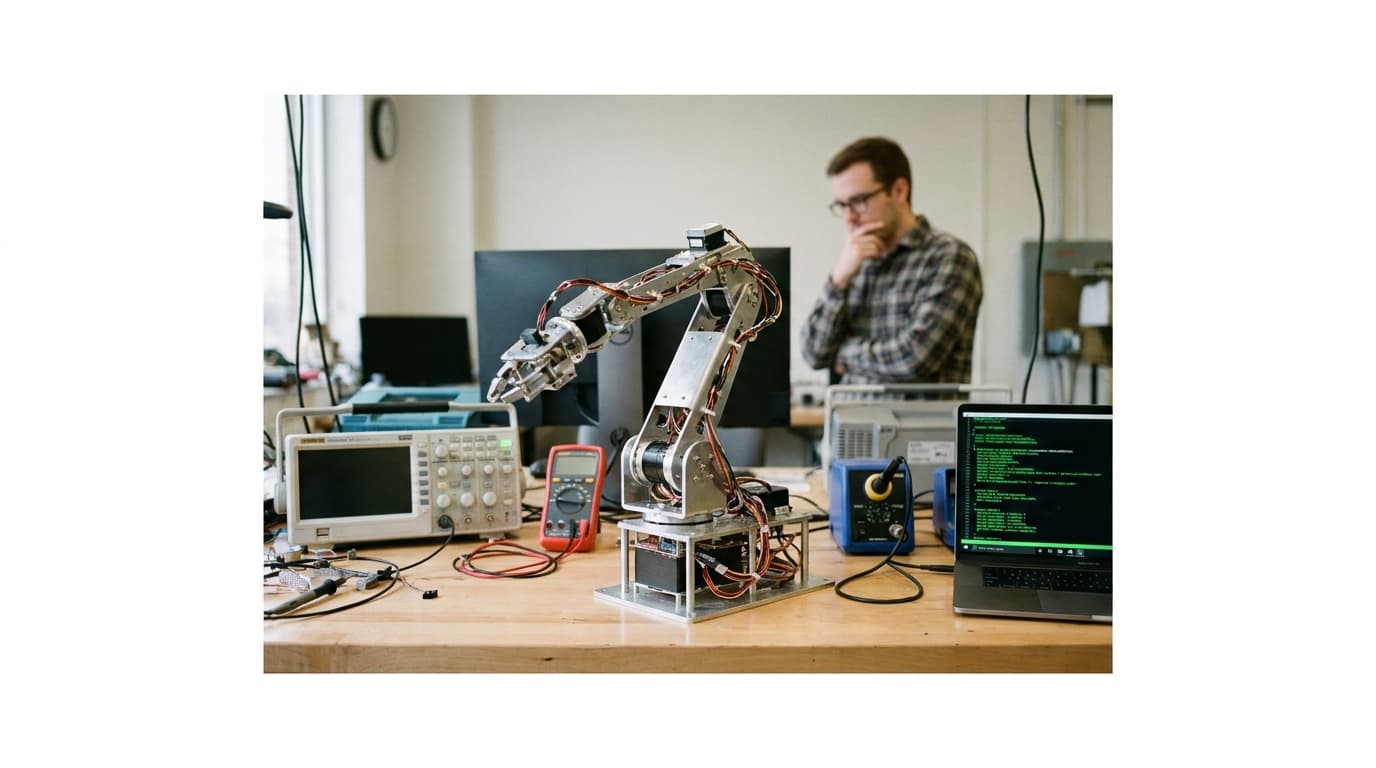
TL;DR: Apple's rumored smart home robot is delayed, possibly until 2028. While the hardware has been ready for two years, the software team is struggling, pushing for a launch delay and a reduction in the device's features.
Key facts
- Category
- Tech Updates
- Impact
- Low
- Published
- Source
- The Verge
Full summary
Apple's smart home robot is delayed, possibly until 2028. The hardware has been ready for years, but the software isn't finished.
Apple’s ambitious foray into home robotics has hit a significant snag, with its rumored smart home robot now facing a potential delay until 2028. According to a report from The Information, the project is stalled not by its physical form but by its digital mind. The hardware for the device has allegedly been complete for approximately two years, a testament to Apple's world-class industrial design and supply chain capabilities. However, the software team responsible for bringing the robot to life has reportedly pushed for the delay, citing a lack of readiness. In a classic engineering move to manage overwhelming complexity, the team is also said to be attempting to scale back the robot's proposed features to focus on a more achievable core product, underscoring a major challenge at the heart of one of Apple's next big bets.
The core of the delay reveals a fundamental truth in modern product development: intelligent software is exponentially harder to perfect than sophisticated hardware. Building the physical robot—with its motors, sensors, and chassis—leverages well-understood engineering disciplines. The real challenge lies in creating the software that can reliably perceive, understand, and navigate the chaotic and unpredictable environment of a typical home. This involves solving immense technical hurdles in computer vision, autonomous navigation, and safe human-robot interaction. The software must not only perform tasks but also do so with the polish and intuitive simplicity that users expect from an Apple product. The team’s push to “strip back” features suggests the initial vision was too ambitious, and they are now grappling with finding a minimum viable product that is both useful and robust enough for a commercial release.
This situation fits a broader pattern of Apple’s recent hardware ambitions, which are increasingly defined by software-first challenges. The company's now-canceled electric car project and the recently launched Vision Pro headset are both examples of ventures where the primary obstacle was not building the device itself, but creating the complex software and AI systems to power it. In the consumer robotics space, Apple is not alone in its struggles. Amazon’s Astro robot, while available, has remained a niche, invitation-only product, failing to achieve mainstream adoption. This demonstrates that even after clearing the technical hurdles to ship a device, the challenge shifts to proving its value to consumers. The market for home robots is still largely unproven, and companies are finding it difficult to create a product that offers a compelling use case beyond novelty.
For technical leaders and developers, Apple's predicament is a powerful case study in the primacy of software in complex systems. It serves as a critical reminder that for any IoT, robotics, or AI-driven hardware project, the software and data strategy must be de-risked from day one. The physical prototype is often the easiest part; the real test is in the intelligence that animates it. This delay also reinforces Apple's cautious, product-first culture. The company is famously willing to delay or cancel projects rather than ship a subpar experience that could tarnish its brand. As we watch this project evolve, the key question will be whether Apple can solve these foundational AI and robotics problems to deliver a product that redefines the smart home, or if the robot will join the Apple Car as another ambitious idea that proved too complex to perfect.
Why it matters
This delay highlights the immense software complexity in creating autonomous home devices, even for a company with Apple's resources. It shows that integrating hardware, AI, and user experience into a reliable product is a far greater challenge than designing the physical components alone, a key lesson for any robotics or IoT team.
Business impact
Apple's struggle to ship its smart home robot signals a potential gap in its future product pipeline and ecosystem strategy. The delay cedes ground to competitors like Amazon in the smart home space and shows that even massive R&D spending doesn't guarantee a smooth entry into new, software-intensive hardware categories.
Tags
Related on Notifire
Related stories
Primary source: The Verge