Game Audio Design Just Got a Major Shortcut
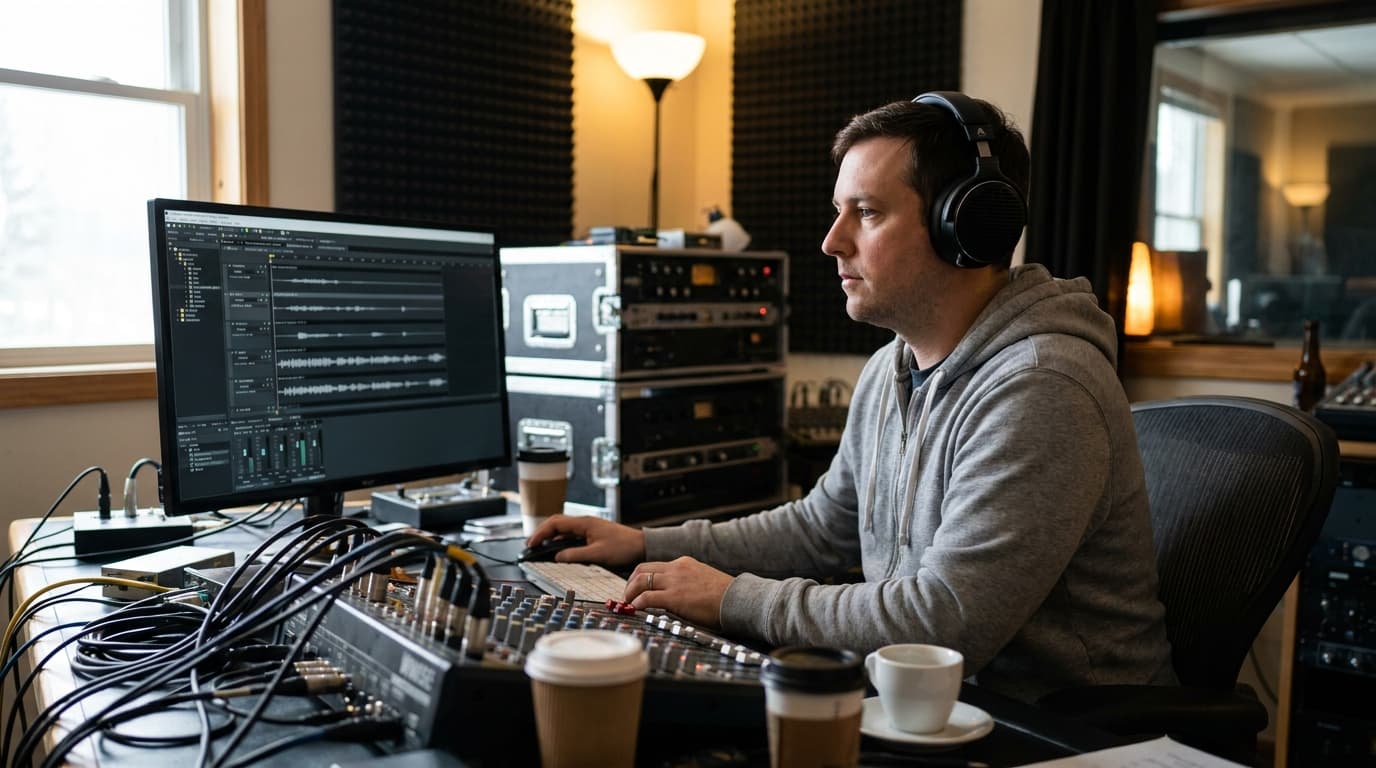
TL;DR: Audeze and Audiokinetic are integrating native head-tracking from the Maxwell 2 headset directly into the Wwise audio engine. This removes a major technical hurdle for developers creating immersive spatial audio experiences for games and VR.
Key facts
- Category
- Tech Updates
- Impact
- High
- Published
- Source
- TechRadar
Full summary
Audeze and Audiokinetic are adding native head-tracking support for Maxwell headsets directly into the Wwise audio engine for game developers.
Audeze and Audiokinetic are partnering to embed native head-tracking support for the Audeze Maxwell headset directly inside Wwise, the industry-standard game audio middleware. According to reporting from TechRadar, this collaboration is designed to streamline the creation of immersive audio by removing technical barriers for developers. Audiokinetic’s CTO, Martin Dufour, stated that the integration will unlock new creative possibilities by making it far easier to implement vivid spatial audio. This move directly addresses a long-standing friction point for audio designers, who previously had to juggle separate tools and custom plugins to achieve similar results. The partnership signals a commitment to making advanced audio features more accessible and deeply integrated into the core development workflow.
Before this integration, an audio designer wanting to test a spatial mix with head-tracking faced a fragmented process. They would need to connect the headset, run separate software to interpret its movement data, and then use a plugin or custom script to pipe that data into Wwise. This multi-step setup was often prone to latency, software conflicts, and configuration errors, adding significant time and frustration to the creative process. The new native support eliminates this entire chain of complexity. Now, Wwise can communicate directly with the Audeze Maxwell headset, reading its orientation data without any intermediary software. This creates a seamless, plug-and-play experience where a developer can simply put on the headset and immediately hear how the game’s soundscape responds to their movements in real-time, all within the main authoring tool.
Spatial audio is no longer a niche feature; it has become a critical component for creating believable and immersive virtual worlds. Major platform holders like Sony, with its Tempest 3D AudioTech for the PlayStation 5, and Apple, with its Spatial Audio for AirPods, have conditioned consumers to expect sophisticated, three-dimensional sound. This has raised the bar for game developers, who are now under pressure to deliver high-quality spatial audio. However, the tools for creating this audio have often lagged behind the playback technology. This integration between Audeze and Audiokinetic is a direct response to that gap, reflecting a broader industry trend toward democratizing high-end development tools. By embedding complex hardware capabilities directly into widely-used middleware, the industry is lowering the barrier to entry for next-generation audio design.
For developers and audio teams, the most immediate practical benefit is a dramatic increase in iteration speed. The ability to get instant, real-time feedback on a spatial audio mix simply by moving one's head is a game-changer for tuning and polishing soundscapes. It allows designers to more intuitively craft audio that feels natural and reactive, leading to a more compelling final product for the player. Looking ahead, this partnership sets a new precedent for hardware and software collaboration in the game audio space. We can expect to see other headset manufacturers pursuing similar native integrations with Wwise and its main competitor, FMOD. This could lead to a future where hardware-specific features are treated as standard, accessible parameters within the primary audio design environment, shifting the focus from technical implementation to creative expression.
Why it matters
This native integration removes a significant development bottleneck for creating dynamic spatial audio. For audio engineers and game developers, it streamlines the workflow, reduces reliance on custom plugins, and allows for faster, more accurate iteration on immersive soundscapes directly within their primary tool, ultimately improving final audio quality.
Business impact
By simplifying a complex technical process, this collaboration can reduce development time and costs for game studios. It allows smaller teams to implement high-end audio features that were previously the domain of larger studios, potentially increasing their games' competitive appeal and perceived production value in the market.
Tags
Related on Notifire
Related stories
Primary source: TechRadar