California Moves To Exempt Open Source
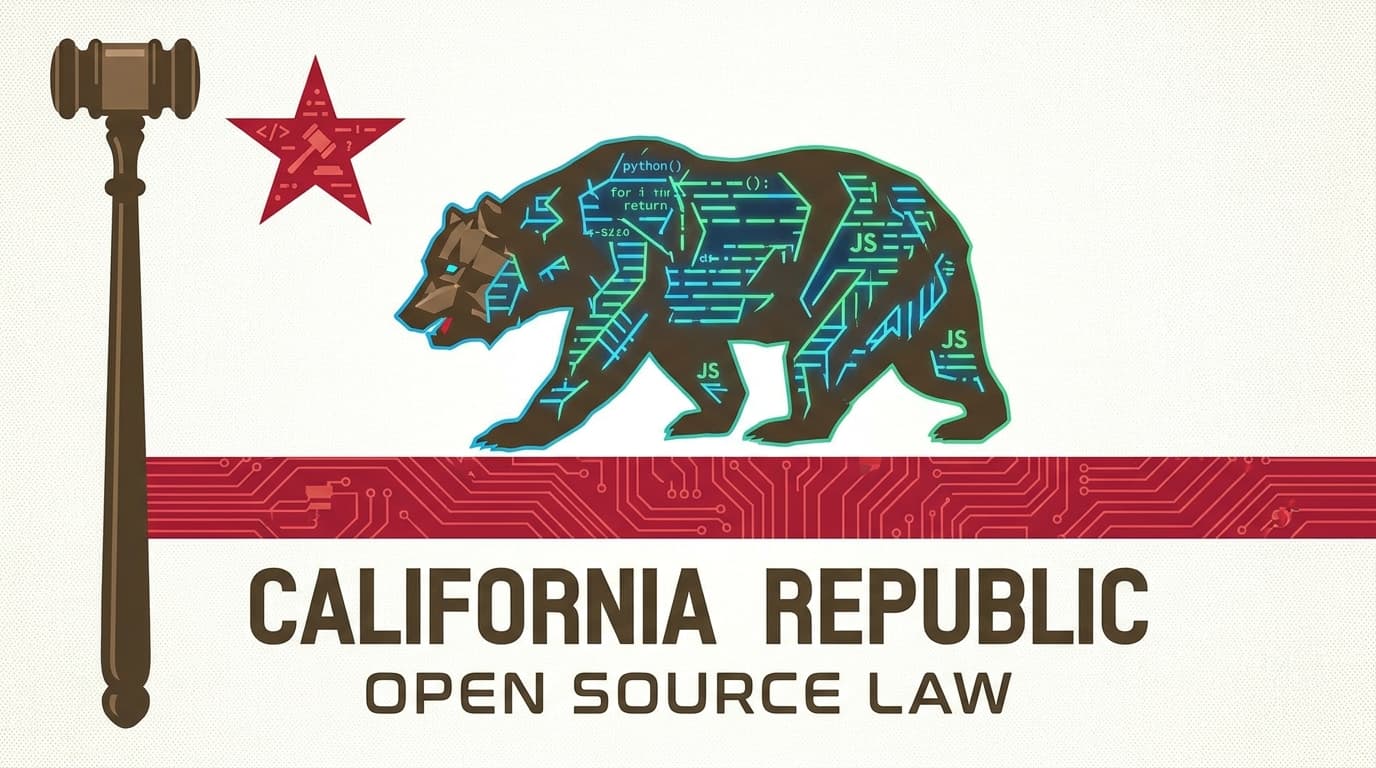
TL;DR: California lawmakers are proposing an amendment to an upcoming age-verification law. The change would exempt most open-source operating systems, including major Linux distributions, following criticism from privacy advocates who warned the original rules would force decentralized projects to collect user data.
Key facts
- Category
- Tech Updates
- Impact
- High
- Published
- Source
- Slashdot
Full summary
California lawmakers are moving to exempt open-source operating systems like Linux from a new age-verification law after backlash from privacy advocates.
California lawmakers are amending a new age-verification law to exempt most open-source operating systems. This move comes after significant backlash from the Linux community and privacy advocates, who argued that the original requirements were unworkable for decentralized, non-commercial projects. They raised concerns that forcing open-source distributions to collect and verify user ages would impose a heavy compliance burden and undermine the privacy-centric principles of the FOSS ecosystem. The proposed amendment is a direct response to this feedback, aiming to protect community-driven software from regulations designed for commercial platforms.
This development is a critical win for the open-source world, as it would allow developers and maintainers of projects like major Linux distributions to continue operating without implementing complex age-gating systems. For developers, CTOs, and IT teams, this means that the core open-source tools they rely on are less likely to be encumbered by new legal hurdles. However, the exemption may not cover all Linux-based platforms. Systems that are tied to proprietary application stores or commercial services, such as SteamOS, might still be required to comply with the age-verification rules, creating a key distinction for businesses building on open-source foundations.
The situation highlights a growing tension between internet safety legislation and the fundamental nature of open-source software. While the amendment addresses immediate concerns for core FOSS projects, teams using or building commercial products on these platforms should continue to monitor the final language of the law. The outcome in California could set an important precedent for how future regulations in other jurisdictions approach the unique challenges of governing decentralized, community-managed technology.
Why it matters
This proposed exemption is a major relief for the open-source community, as it avoids imposing complex and potentially privacy-invasive compliance burdens on decentralized projects like Linux.
Business impact
Companies building products on open-source operating systems can avoid the significant engineering and legal costs of implementing age-verification. However, those with proprietary components or app stores may still face compliance obligations.
Tags
Related on Notifire
Related stories
Primary source: Slashdot