CIOs Have More Responsibility Less Authority
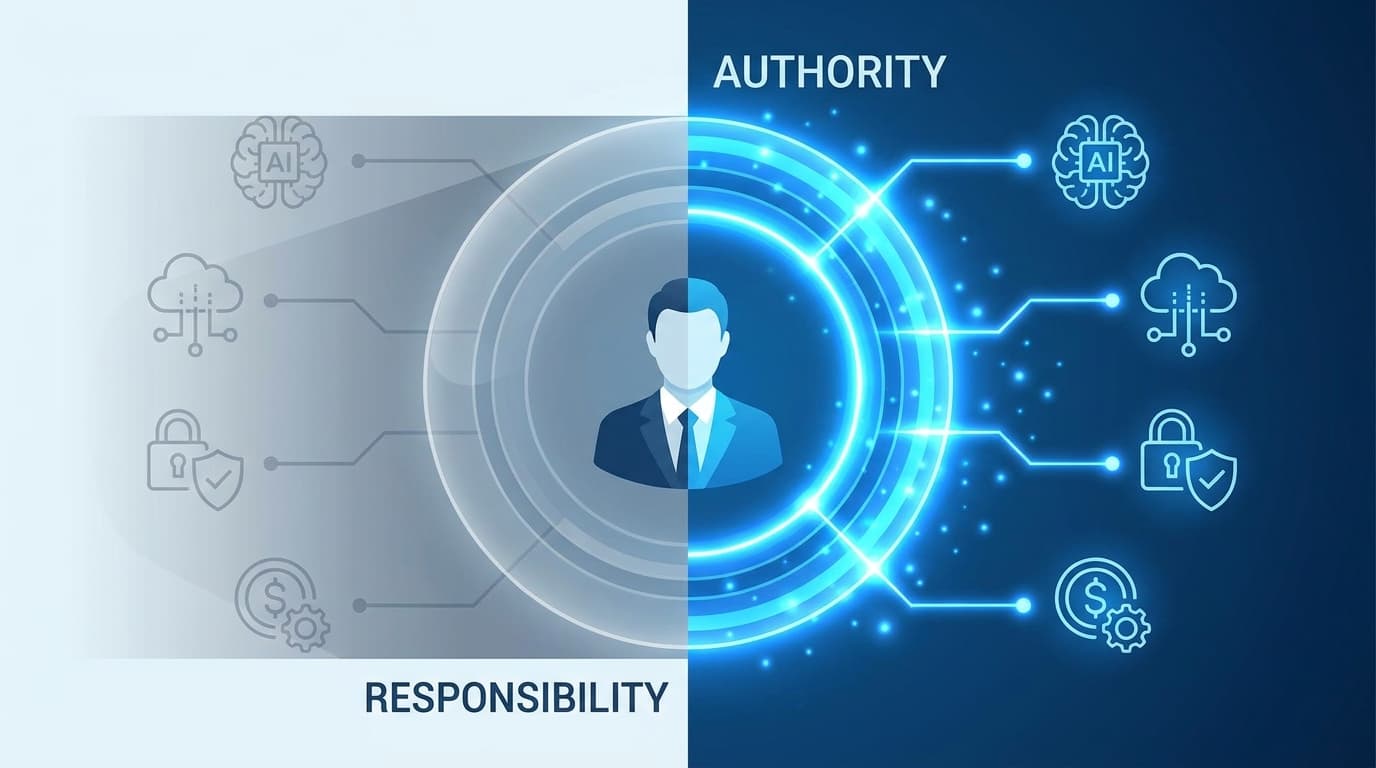
TL;DR: The CIO role is expanding to cover AI, cybersecurity, and digital strategy, creating a "360° CIO." However, organizational structures have not kept pace, leaving many CIOs with 360 degrees of responsibility but only 180 degrees of authority, creating a significant structural challenge.
Key facts
- Category
- Tech Updates
- Impact
- High
- Published
- Source
- CIO.com
Full summary
The modern CIO's role has expanded, but their authority hasn't grown to match these new, broader responsibilities.
The role of the Chief Information Officer is evolving into what is being called the "360° CIO." As technology becomes central to every business function, CIOs' responsibilities have grown significantly to include strategic areas like AI implementation, cybersecurity risk, digital platforms, and even capital allocation. Discussions that were once handled by separate departments are now converging under the CIO's purview. This shift reflects the deep integration of technology into core business strategy, moving the CIO from a technical manager to a central business leader.
Despite these expanded expectations, many organizational structures and operating models have failed to adapt. This creates a fundamental disconnect where CIOs are held accountable for outcomes in areas they do not fully control. They often manage investments they don't formally own and operate within outdated governance frameworks. This is not an issue of individual capability but a widespread structural problem, leaving many tech leaders with 360 degrees of responsibility but only 180 degrees of authority to execute their vision and mandate.
This misalignment poses a significant risk to businesses. Without the authority to match their responsibilities, CIOs may struggle to implement critical strategies, enforce security measures, or drive digital transformation effectively. The gap can lead to project delays, inefficient resource allocation, and a slower response to market changes. For organizations to succeed, they must reconsider their operating models to fully empower their technology leaders.
Why it matters
This structural gap between a CIO's responsibility and authority can hinder critical initiatives like AI adoption and cybersecurity. It highlights a common organizational flaw that prevents companies from fully leveraging their technology leadership, impacting agility and innovation.
Business impact
Companies that fail to align CIO authority with their expanded responsibilities risk stalled digital transformation projects, inefficient capital allocation, and increased vulnerability to security threats. This structural problem can directly impact a company's ability to compete and innovate.
Tags
Related on Notifire
Related stories
Primary source: CIO.com