Your iPhone Is Slowly Replacing Your Wallet ID
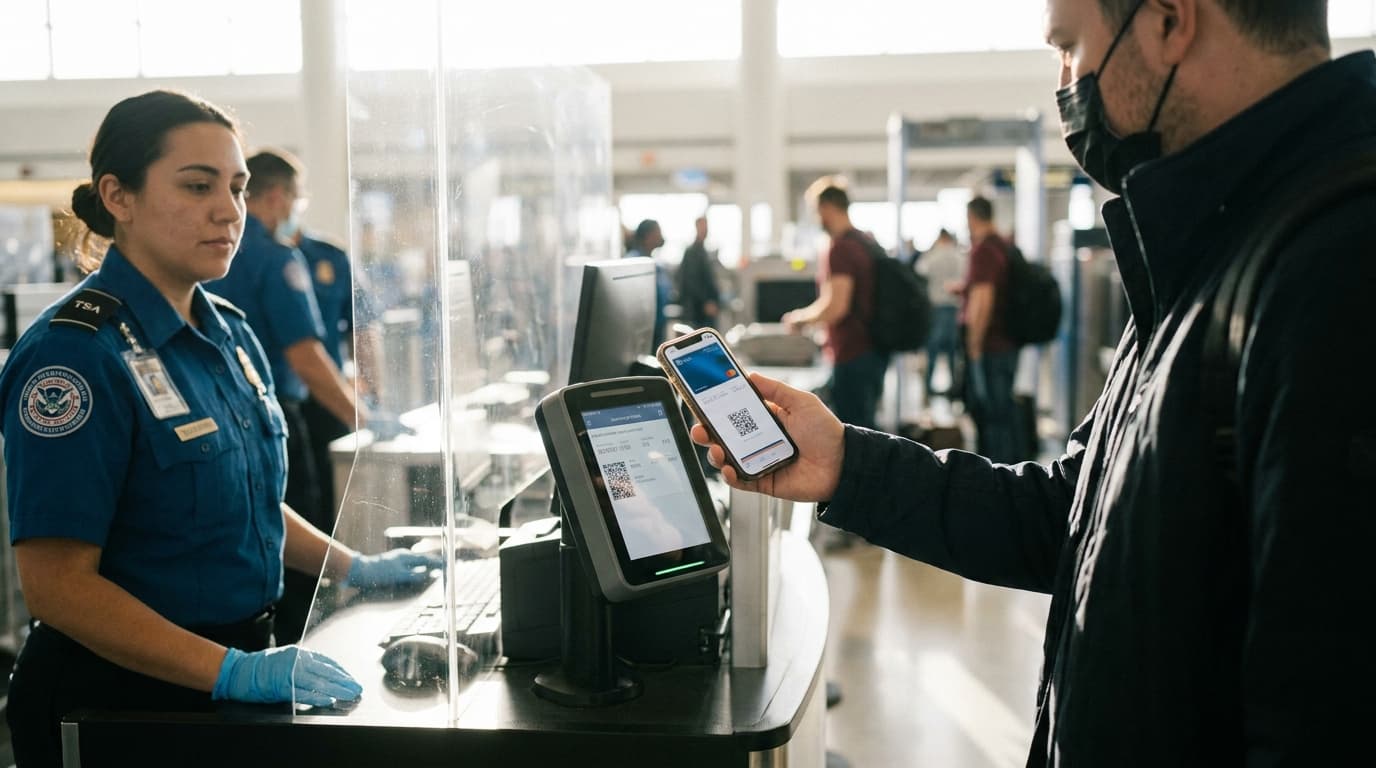
TL;DR: Apple Wallet's digital ID is expanding to four more states, reaching 18 total. But with limited acceptance and a slow rollout, the dream of leaving your physical driver's license at home remains a distant one for most.
Key facts
- Category
- Tech Updates
- Impact
- Medium
- Published
- Source
- Slashdot
Full summary
Apple's digital driver's license is now in 18 states, but slow rollouts and limited acceptance mean you still need your physical card.
Apple is gradually expanding its digital driver's license and state ID feature in Apple Wallet, with North Carolina, Oklahoma, Utah, and Virginia announced as the next states to join the program. According to reporting from MacRumors, this brings the total number of participating jurisdictions to 18 states plus Puerto Rico. The feature allows users to store a digital version of their government-issued ID on their iPhone or Apple Watch. It can be used for identity verification at select TSA airport security checkpoints and a small but growing number of businesses. However, the program's limited acceptance means that authorities and Apple both advise users to continue carrying their physical ID cards, highlighting that the transition to a fully digital wallet is still in its early stages.
The technology behind Apple's digital ID is designed with privacy and security as central features, operating similarly to Apple Pay. When a user needs to present their ID, they hold their device near an NFC-enabled identity reader. The system then prompts for authentication using Face ID or Touch ID, ensuring the person presenting the ID is the device's owner. A key privacy benefit is the ability to share only the necessary information for a given transaction. For example, when purchasing alcohol, the system can simply confirm that the user is over 21 without revealing their exact date of birth or home address. All identity data is encrypted and stored within the iPhone's Secure Enclave, a dedicated hardware component that isolates sensitive information from the main operating system, making it difficult to compromise.
The slow, state-by-state rollout underscores the immense complexity of replacing a universally accepted physical document. Unlike a simple software update, enabling digital IDs requires deep technical and legal integration with each state's Department of Motor Vehicles (DMV). Every state has its own legacy IT systems, unique regulatory frameworks, and distinct procurement processes that must be navigated. This creates a challenging patchwork of availability, where launching in one state provides no guarantee of a smooth rollout in another. The process involves extensive negotiations, security audits, and the development of new infrastructure on the state's side to issue and verify these digital credentials securely. This friction at the government level is the primary reason the feature is expanding so methodically rather than being available nationwide.
For developers, CTOs, and security teams, this trend represents a significant long-term shift in identity verification. The eventual widespread adoption of mobile driver's licenses (mDLs) could enable new, streamlined user experiences for everything from age verification at venues to faster check-ins at hotels and car rentals. However, the current fragmentation makes it a risky bet for near-term product roadmaps. Businesses that want to accept digital IDs must invest in compatible NFC readers and update their software, an expense that is hard to justify when only a fraction of customers can use the feature. For security professionals, the move to cryptographic digital credentials offers a potential reduction in fraud compared to easily forged physical cards, but it also introduces new attack vectors, such as sophisticated phishing schemes aimed at compromising a user's Apple ID or device.
Looking ahead, the key metric to watch is the pace of adoption by both states and businesses that verify identity. Apple's initiative is part of a broader industry movement toward digital identity, with Google pursuing a similar feature for Android and organizations working on interoperable standards like ISO/IEC 18013-5. The ultimate goal is a system where a digital ID from any state is easily and securely readable by any authorized verifier, regardless of the technology vendor. Until that level of interoperability and near-universal acceptance is achieved, the physical driver's license will remain a necessary item in everyone's wallet. The current slow progress serves as a practical case study in the immense challenge of displacing a deeply entrenched, non-digital standard.
Why it matters
This marks a slow but steady shift toward digital identity, a foundational technology for future security, privacy, and commerce. While adoption is currently limited, it signals a long-term move away from physical credentials.
Business impact
The expansion creates long-term opportunities for developers to build streamlined identity verification into apps and services. However, the fragmented, state-by-state rollout means businesses cannot yet rely on digital IDs as a primary method, delaying widespread investment.
Tags
Related on Notifire
Related stories
Primary source: Slashdot