FBI Seeks Nationwide License Plate Data
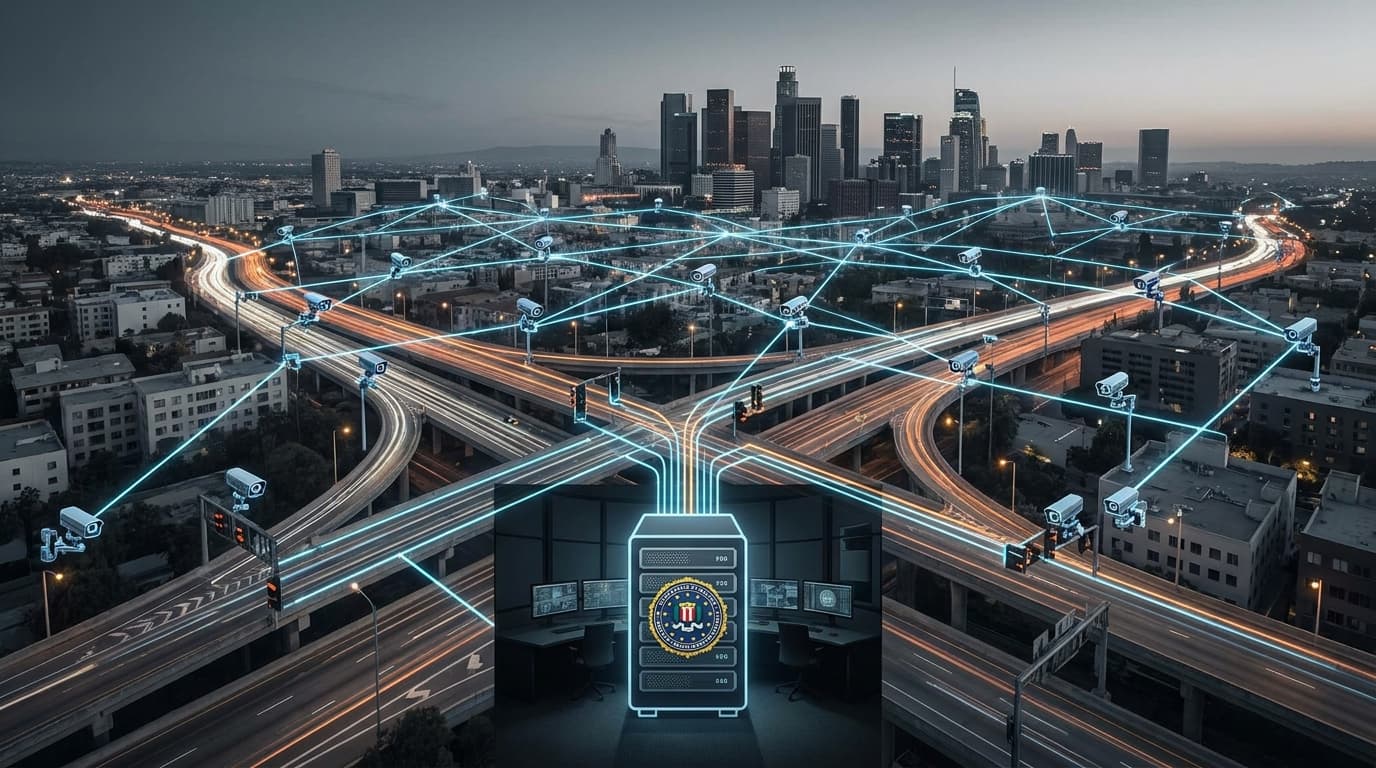
TL;DR: The FBI is planning to spend up to $36 million for nationwide access to a commercial database of automated license plate reader (ALPR) data. This would enable the agency to query and track vehicle movements across the United States and its territories for law enforcement purposes.
Key facts
- Category
- Tech Updates
- Impact
- Low
- Published
- Source
- Slashdot
Full summary
The FBI is seeking up to $36 million for nationwide access to a commercial database of automated license plate reader data.
The FBI is looking to invest up to $36 million to gain nationwide access to a commercial database of automated license plate reader (ALPR) data. According to a statement of work, this access would allow the agency to query vehicle movements across the United States and its territories. The FBI describes this capability as a "crucial need" for its operations, highlighting the importance of having a diverse and reliable collection of data from various locations, including major highways, to improve law enforcement effectiveness.
This move represents a significant expansion of government surveillance capabilities by leveraging privately collected data on a massive scale. For businesses, especially those in logistics, transportation, or with large vehicle fleets, this means their movements could be systematically tracked and stored in a database accessible to federal law enforcement. The use of commercial ALPR databases raises major privacy concerns for the public and employees, as it involves the widespread collection of location data, often without individual warrants, creating a powerful tool for monitoring citizens.
Why it matters
The FBI's plan to access a nationwide license plate reader database marks a significant step in government surveillance, raising profound privacy questions. It involves using commercial data to track vehicle movements on a massive scale, which could affect both private citizens and businesses with vehicle fleets.
Business impact
Companies in logistics, transportation, and any sector using vehicle fleets may find their movements subject to federal tracking. This raises operational privacy concerns and potential implications for employee privacy, as company vehicle data could be included in the nationwide database accessible by the FBI.
Tags
Related on Notifire
Related stories
Primary source: Slashdot