Fisker EV Owners Saved By Open Source
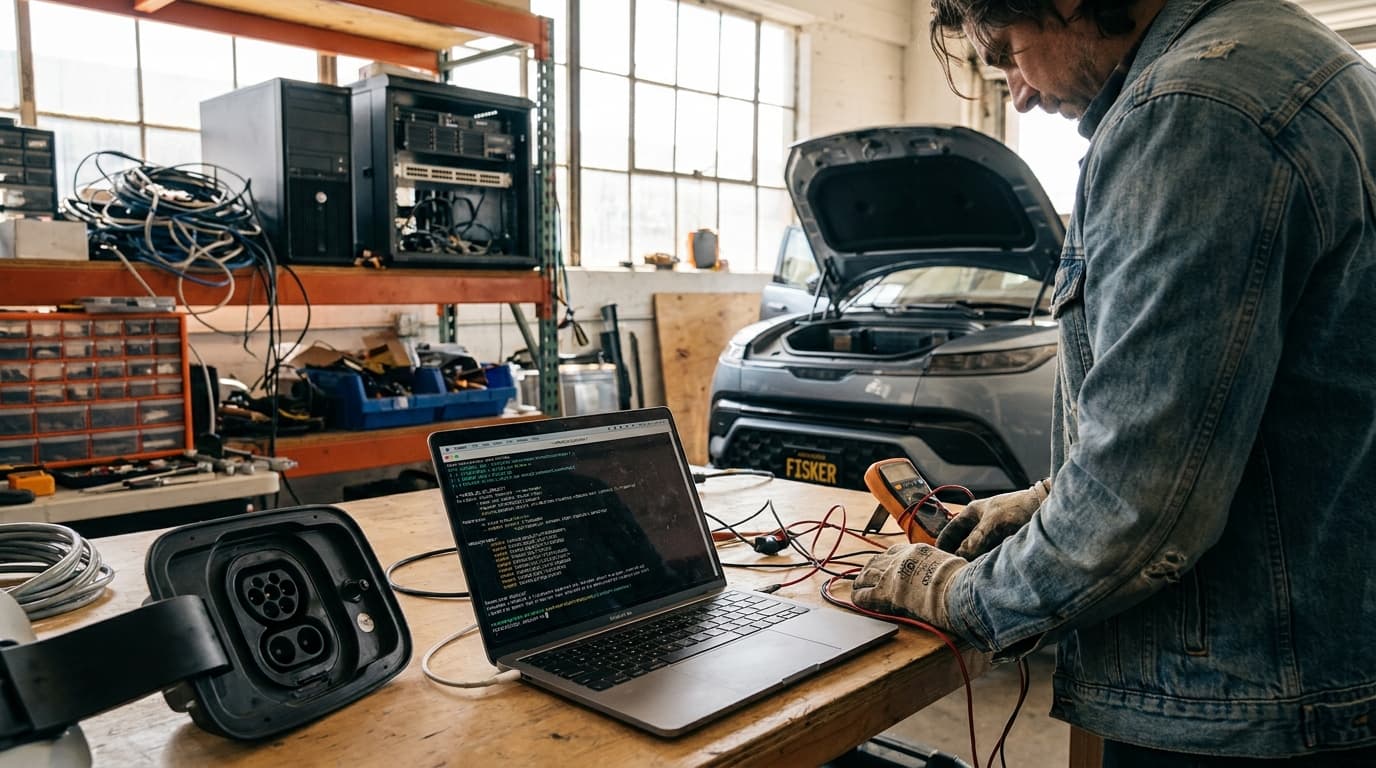
TL;DR: Fisker's bankruptcy left 11,000 EV owners with cars rapidly losing essential software functionality. An open-source nonprofit stepped in to provide critical updates and services, preventing these vehicles from becoming unusable. This highlights the power of community-driven solutions in tech, especially when manufacturers fail to support their products.
Key facts
- Category
- Tech Updates
- Impact
- Low
- Published
- Source
- Slashdot
Full summary
When Fisker went bankrupt, an open-source nonprofit stepped in to save 11,000 EV owners from losing their car's software.
Fisker Inc. declared Chapter 11 bankruptcy in June 2024, leaving approximately 11,000 Ocean SUV owners in a difficult situation. Their vehicles, costing $40,000 to $70,000, were rapidly losing critical software functionality. Without over-the-air updates, connected services, or warranty support, these cars faced obsolescence, effectively becoming expensive "paperweights" as the manufacturer ceased operations.
This event underscores a significant vulnerability in modern, software-dependent products. When a company fails, its customers can be left stranded, losing value and utility in their purchased assets. However, this story also showcases the immense potential of open-source communities and nonprofit initiatives to fill critical gaps. It demonstrates how collective effort can preserve product functionality and consumer investment, even after corporate collapse.
Primarily, the 11,000 Fisker Ocean SUV owners are directly affected, having faced the prospect of losing their vehicle's core functionality. More broadly, this scenario impacts the entire EV industry and any sector reliant on proprietary software and connected services. It raises questions for founders and developers about long-term product support and for business leaders about consumer trust and brand resilience.
This incident sets a precedent for how community-led solutions can rescue users from manufacturer failures. Future developments may include more discussions around "right to repair" for software, the role of open-source in product longevity, and how companies can build more resilient ecosystems. It highlights the need for contingency plans for software-dependent hardware.
Why it matters
This event highlights the critical role of software in modern products and the risks associated with manufacturer failures. It demonstrates how open-source communities can provide vital support, ensuring product longevity and protecting consumer investments when original companies cease operations.
Business impact
Businesses relying on proprietary software and connected services must consider long-term support strategies and potential vulnerabilities if their company faces distress. This case also shows the value of community engagement and open-source models in building resilient product ecosystems and maintaining customer trust.
Tags
Related on Notifire
Related stories
Primary source: Slashdot