Flock's AI Drone Business Is Booming Amid Privacy Alarms
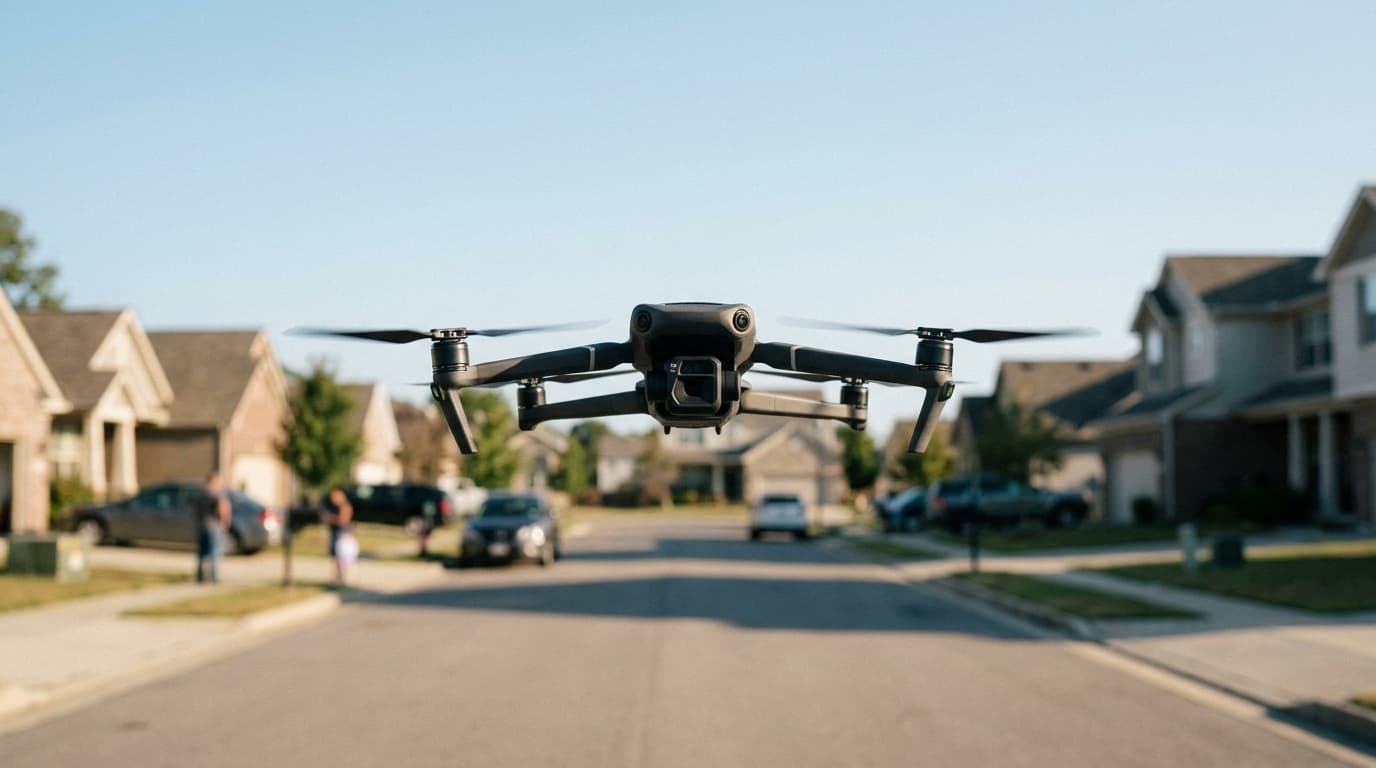
TL;DR: Flock Safety's AI-powered drone business is its fastest-growing segment, according to its CEO. However, privacy advocates warn the technology poses significant surveillance risks, comparing it to controversial automated license plate readers.
Key facts
- Category
- Tech Updates
- Impact
- High
- Published
- Source
- TechRadar
Full summary
Flock Safety's AI drone business is reportedly its fastest-growing segment, sparking major privacy concerns from consumer rights groups over potential misuse.
Flock Safety's CEO, Garrett Langley, announced that the company's drone division is its fastest-growing business segment. This news, reported by TechRadar, comes amid existing public scrutiny over Flock's primary product: automated license plate reader (ALPR) cameras. The rapid expansion into aerial surveillance is intensifying the debate, with consumer rights groups expressing alarm. These organizations argue that the drones could jeopardize privacy in a manner similar to, or even worse than, their controversial ground-based camera networks. The core conflict is clear: a company is experiencing significant commercial success with a technology that critics view as a serious threat to civil liberties and personal privacy.
The drones are not consumer toys; they are sophisticated surveillance platforms designed for integration with law enforcement and first responders. These systems combine high-resolution cameras with AI-powered computer vision software, allowing them to perform tasks like identifying specific vehicles or tracking individuals across a landscape. The drone, called the "Raven," is designed to launch autonomously from a rooftop-mounted base in response to an alert, such as a gunshot detection or an ALPR hit on a wanted vehicle. This creates a seamless link between Flock's fixed ground cameras and a mobile aerial asset, effectively extending the surveillance network from the streets into the sky and automating the initial response.
For technology leaders, security teams, and founders, Flock's trajectory offers a critical case study. It demonstrates a powerful market demand for automated, AI-driven physical security solutions while also highlighting the immense reputational and legal risks of operating in this space. The comparison to ALPRs is significant because that technology has faced years of legal challenges and public backlash over data collection, retention policies, and the potential for misuse. By moving into drones, Flock is amplifying these concerns. CTOs and security directors considering similar technologies must now evaluate not just the operational benefits, but also the complex web of data privacy regulations, the potential for mission creep, and the public's growing sensitivity to persistent surveillance.
The success of Flock's drone business signals a major shift in the physical security and surveillance industry. The market is evolving beyond static cameras toward integrated, autonomous systems that can proactively respond to events. This creates opportunities for companies specializing in drone hardware, AI analytics, and command-and-control software. For businesses and communities, this technology presents a difficult choice. On one hand, it offers the promise of enhanced security and faster emergency response times. On the other, it introduces the specter of persistent aerial monitoring, which could erode privacy and create a chilling effect on public life. The key takeaway for any organization is that deploying such technology requires a robust and transparent governance framework from day one.
Looking ahead, the immediate future will likely be defined by a push-and-pull between technological advancement and regulatory oversight. As Flock and its competitors expand their aerial capabilities, city councils and state legislatures will face increasing pressure to establish clear rules for AI-powered drone surveillance. We can expect to see debates centered on data retention, warrant requirements, and public transparency reports. For the industry, the next frontier will be greater autonomy and deeper integration with other "smart city" systems, potentially linking drones to everything from traffic lights to public sensor networks. This convergence will only raise the stakes in the ongoing debate over the balance between security and privacy.
Tags
Related on Notifire
Related stories
Primary source: TechRadar