Forecasters Predict Milder Hurricane Season
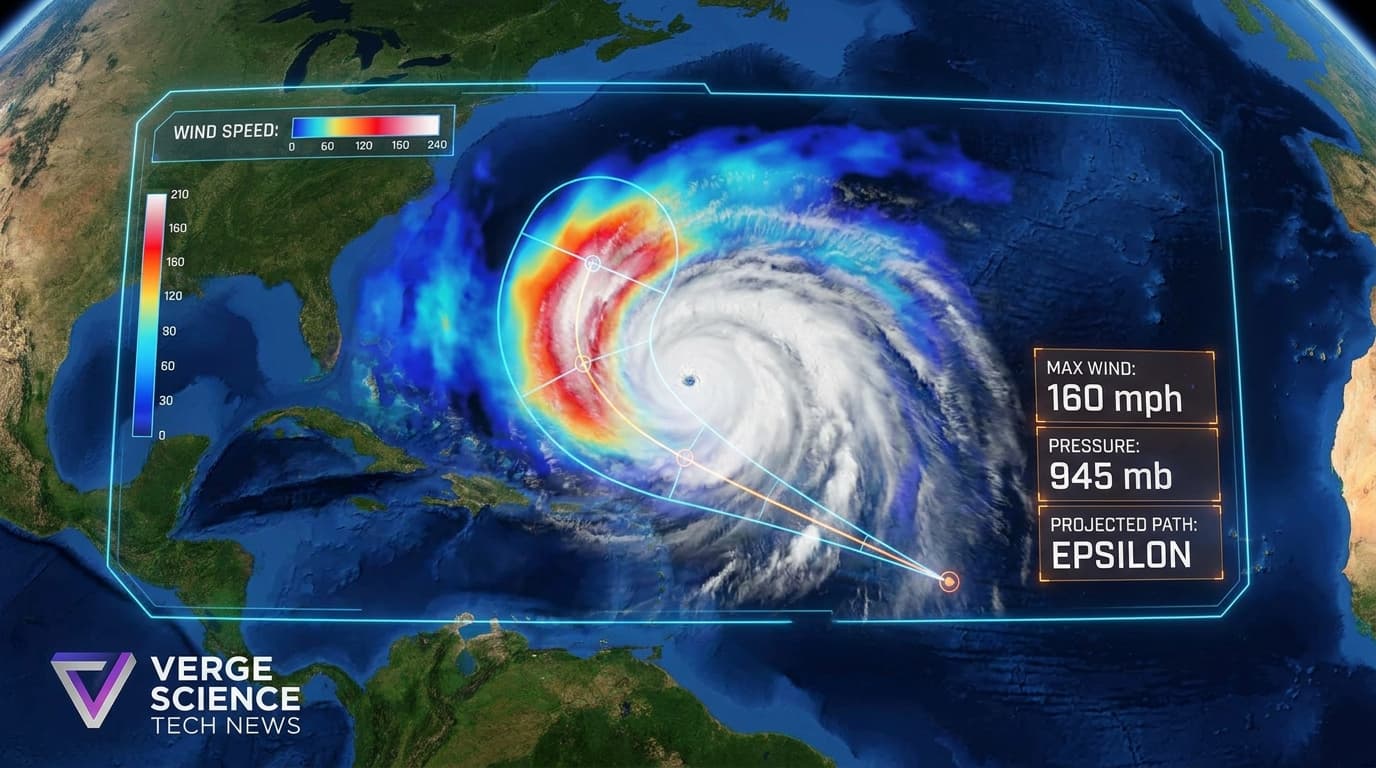
TL;DR: The National Weather Service forecasts a below-average hurricane season, starting June 1. They predict 8 to 14 named storms, with 3 to 6 becoming hurricanes and 1 to 3 major hurricanes. This is lower than the typical season's average of 14 named storms and 7 hurricanes.
Key facts
- Category
- Tech Updates
- Impact
- Low
- Published
- Source
- Ars Technica
Full summary
Forecasters are predicting a below-average hurricane season, but businesses should still review their disaster recovery plans and infrastructure resilience.
The National Weather Service has released its forecast for the upcoming Atlantic hurricane season, which begins June 1. The prediction calls for a below-average level of storm activity, with eight to 14 named storms anticipated. Within that range, forecasters expect three to six to develop into hurricanes. Of those, one to three could become major hurricanes—classified as Category 3, 4, or 5—with sustained wind speeds of 111 mph or greater. This is a notable decrease from a typical season, which usually sees around 14 named storms and seven hurricanes.
For businesses with physical infrastructure or teams in coastal regions, this forecast is a key data point for operational planning. While a milder season lowers the overall risk of disruption to data centers and supply chains, experts caution against complacency as the threat of a single major storm remains. CTOs and IT leaders should use this time to review disaster recovery and business continuity plans. It's an opportunity to ensure data backups are secure, failover systems are tested, and remote work protocols are ready for any potential disruption. A seasonal forecast reflects overall probability, not a guarantee of safety, making proactive preparation essential for maintaining operational resilience.
Why it matters
A below-average hurricane season forecast provides a crucial data point for business continuity and disaster recovery planning, especially for companies with physical infrastructure or employees in coastal regions. It's a reminder to test resilience, not a reason for complacency.
Business impact
Lower overall risk of disruption to data centers, supply chains, and operations in affected areas. However, a single major storm can still cause significant financial and operational damage, highlighting the need for robust, tested disaster recovery plans to ensure business continuity.
Tags
Related on Notifire
Related stories
Primary source: Ars Technica