Giant Battery Swap Network Coming for Electric Trucks
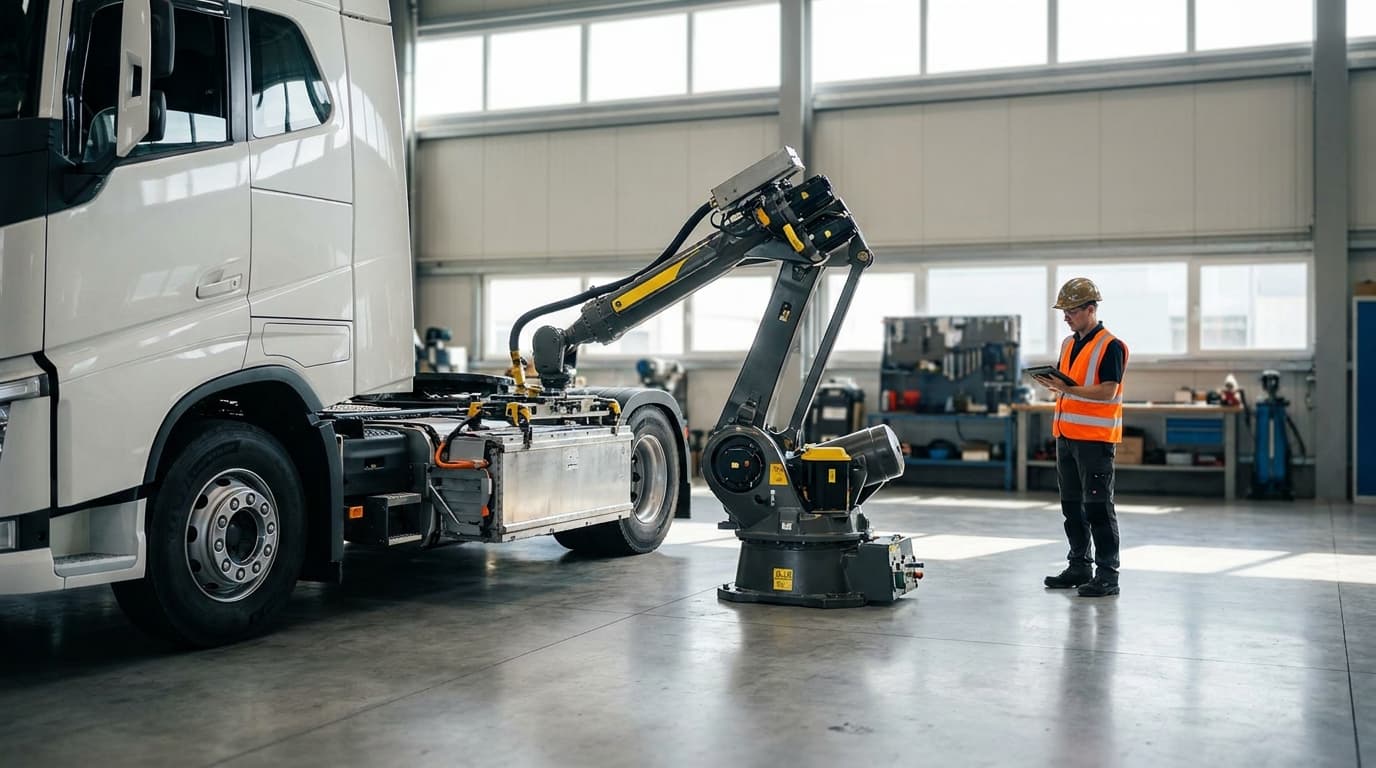
TL;DR: Battery giant CATL and Octopus Energy are building a massive network to swap electric truck batteries in minutes. The project aims to support over 300,000 trucks in Europe, tackling the problem of long charging times for freight.
Key facts
- Category
- Tech Updates
- Impact
- High
- Published
- Source
- TechRadar
Full summary
CATL and Octopus Energy are launching a massive network to swap electric truck batteries in minutes, aiming to serve over 300,000 vehicles.
Octopus Energy is partnering with battery manufacturer CATL to launch a large-scale battery swapping network for electric trucks across Europe. This joint venture, reportedly called Swaptopus, aims to solve one of the biggest hurdles in electrifying commercial freight: long charging times. The plan involves building a network of specialized hubs where an electric truck’s depleted battery can be swapped for a fully charged one in just a few minutes. This is a dramatic reduction from the hours it can take to recharge a large commercial vehicle battery using conventional methods. The initiative is ambitious in scale, designed to eventually service a fleet of over 300,000 electric trucks, providing a practical alternative to traditional charging infrastructure.
This development is critical for founders, CTOs, and business leaders in the logistics and transportation sectors. The ability to swap batteries quickly makes electric trucks a much more viable option for long-haul routes, directly addressing concerns about vehicle downtime and operational efficiency. By minimizing the time trucks spend idle, companies can improve asset utilization and maintain tight delivery schedules, making the total cost of ownership for EVs more competitive with diesel counterparts. Furthermore, this model could accelerate the adoption of electric fleets by lowering the upfront investment. Companies could potentially lease batteries as part of a "Battery-as-a-Service" plan, paying for energy used rather than owning the expensive battery packs outright. This shift helps businesses meet sustainability targets and comply with increasingly strict emissions regulations.
The partnership between an energy tech company and a leading battery maker signals a strong industry push toward standardizing battery swapping for heavy-duty vehicles. While the concept has seen success in smaller vehicles like scooters, its application in commercial trucking has been limited. The success of this European network will largely depend on achieving interoperability, requiring collaboration with various truck manufacturers to ensure battery packs are compatible with the swapping stations. Key developments to watch include the announcement of the first hub locations, formal partnerships with freight operators and truck makers, and the details of the service's pricing structure. If successful, this model could serve as a blueprint for similar infrastructure projects in North America and other major logistics markets.
Why it matters
This initiative could solve the biggest operational bottleneck for electric trucks—long charging times—making widespread fleet electrification economically and logistically viable for the first time.
Business impact
By enabling faster turnarounds and potentially lowering upfront costs through Battery-as-a-Service models, this network makes it easier for logistics companies to transition to electric fleets, meet sustainability goals, and improve asset utilization.
Related on Notifire
Related stories
Primary source: TechRadar