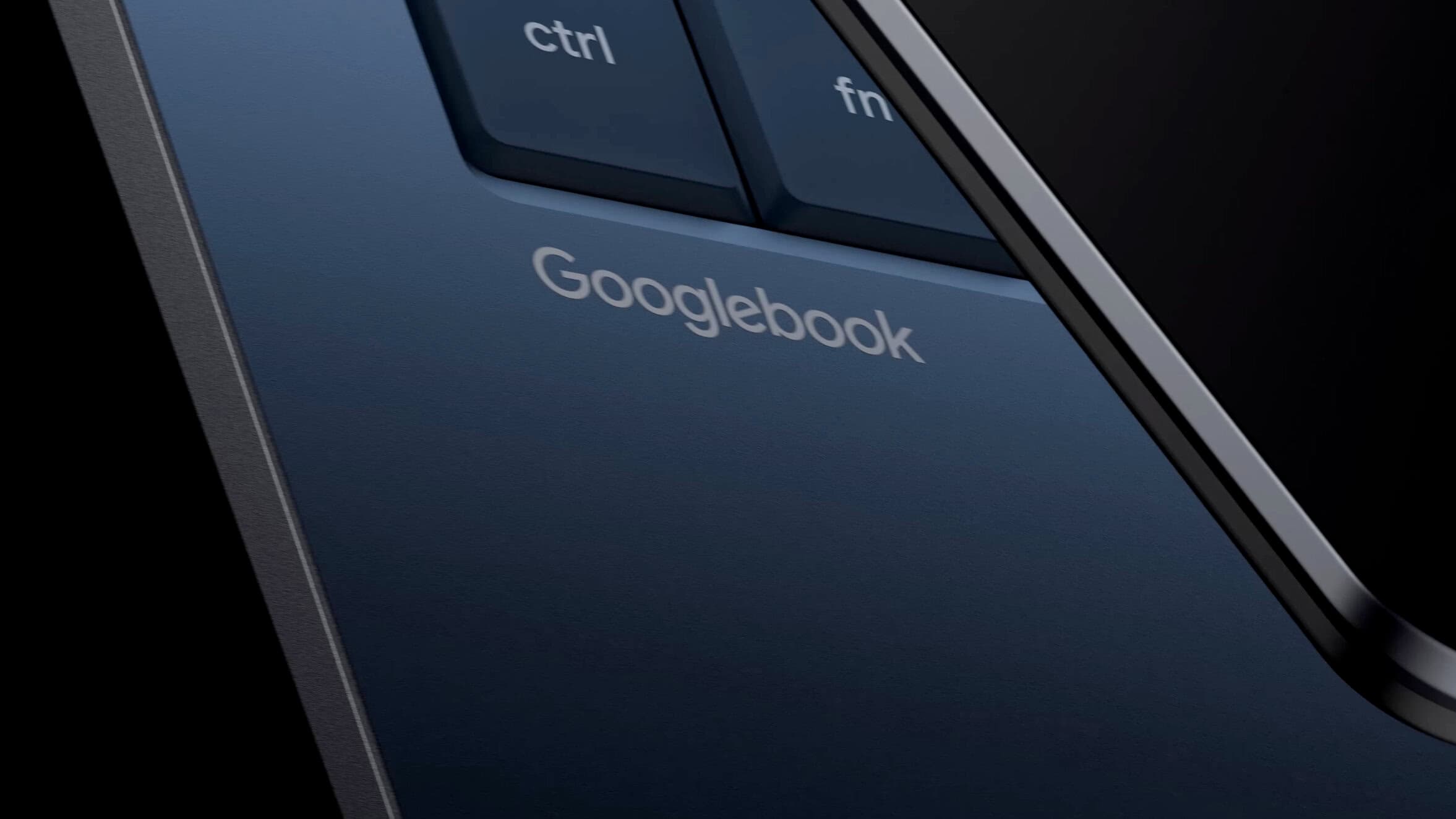
Google unveils Googlebook laptops for Gemini integration
According to Google's product blog, Google introduced Googleboo
Full summary
According to Google's product blog, Google introduced Googlebook, a new laptop category "designed for Gemini Intelligence," that blends Android and Chrome elements and surfaces Gemini through a cursor-based feature called the Magic Pointer. Reporting from Axios and Ars Technica notes Googlebooks can run Android apps natively or surface apps installed on a paired Android phone, and allow direct access to phone files on the laptop. Hardware partners named by Axios include Acer, Asus, Dell, HP, and Lenovo, and Google's blog and Axios say first models are due in the fall. Early coverage from Android Authority, PCWorld, and Ars Technica praises tighter ecosystem integration while also questioning whether Googlebooks overcome longstanding Chromebook perception problems.
Why it matters
According to Google's product blog, Google introduced Googlebook, a new laptop category "designed for Gemini Intelligence," that integrates Gemini features into the OS and UI. The company's announcement describes a Magic Pointer that activates an AI-driven contextual mode by moving the cursor, and a feature for creating custom widgets via prompts, per the Google blog. Multiple outlets report that Googlebooks run a merged Android/Chrome experience, can run Android apps natively, and can access apps and files from a paired Android phone, with first models expected to ship in the fall, as reported by Axios and Google's blog. Axios lists hardware partners including Acer, Asus, Dell, HP, and Lenovo.
Business impact
ndustry coverage frames Googlebook as an attempt to fold Gemini deeper into end-user devices rather than ship a standalone model release. Coverage in Ars Technica and PCWorld highlights the Magic Pointer as a UI-level invocation mechanism that exposes screen context to Gemini for suggestions and actions, which is conceptually similar to recent OS-level AI tooling from other vendors. For practitioners, embedding a model at the cursor level increases the surface area for contextual prompts, which raises integration and latency tradeoffs between on-device inference, cloud calls, and privacy-preserving fetches of context from local apps.
⚡ Action needed
Public reporting places Googlebook in the lineage of Chromebook and Android convergence efforts, with some outlets describing it as a reimagining of the laptop for an "intelligence system" era. Review pieces in Android Authority and PCWorld emphasize continuity with Chromebook strengths (web-first simplicity, Android app ecosystem) while questioning whether deeper Gemini integration is sufficient to change long-standing buyer perceptions that limited Chromebook adoption outside education and some enterprise segments. Observers note the commercial significance of getting partner hardware and ship timing right; Axios reports Google calls the reveal a sneak peek and says more details will arrive closer to launch.