Kansas City Tests Facial Recognition on Bus Riders
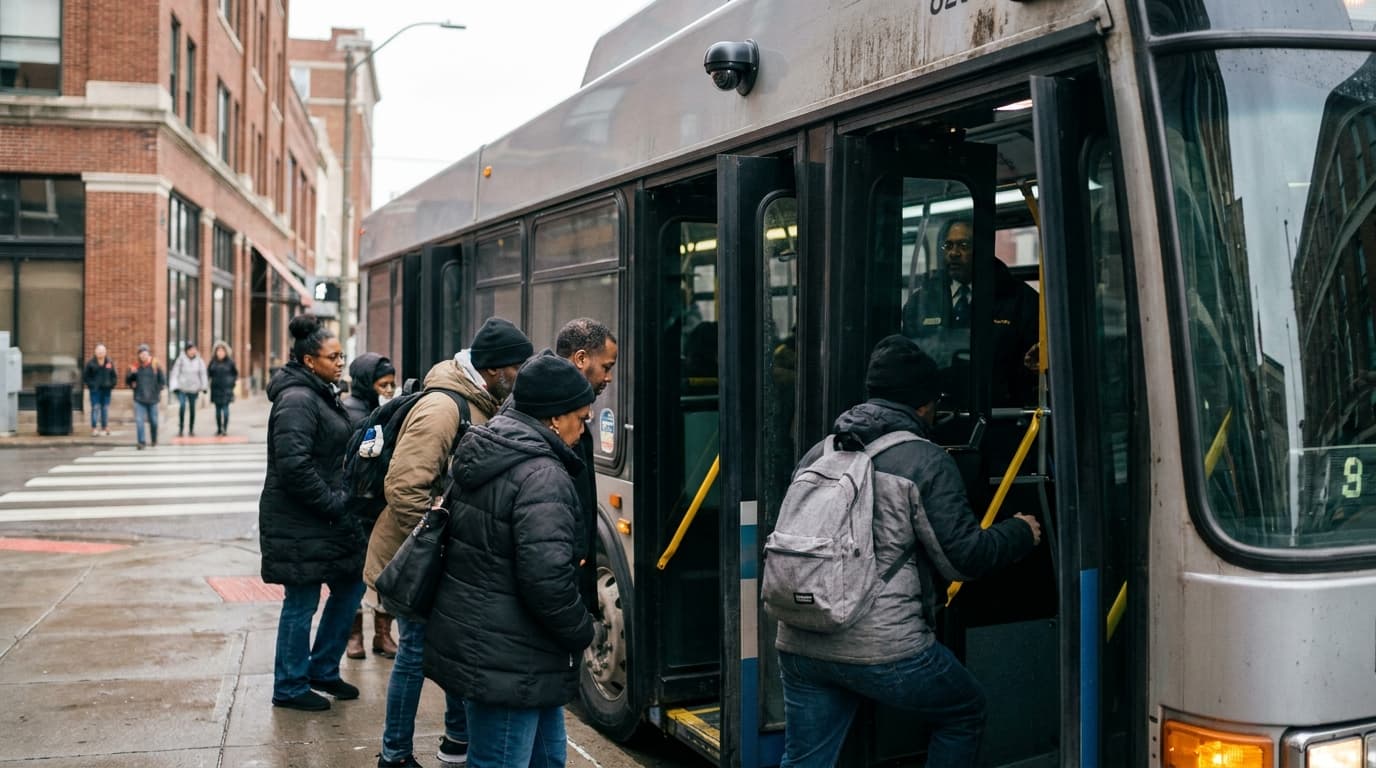
TL;DR: Kansas City is adding facial recognition to some public buses to spot banned riders and missing persons. The project is a major test for using AI surveillance technology in U.S. public transit, raising new privacy questions.
Key facts
- Category
- Tech Updates
- Impact
- High
- Published
- Source
- Slashdot
Full summary
Kansas City is equipping public buses with facial recognition, a major test for AI surveillance in U.S. public transit systems.
Officials in Kansas City, Missouri, are moving forward with a plan to equip some public buses with facial recognition technology. The system will integrate with existing cameras to scan passengers' faces as they board. Its primary purpose is to automatically identify individuals who are on a specific list of banned riders or have been reported as missing persons. This initiative represents one of the first major deployments of AI-powered facial recognition within a public transit system in the United States. The city's decision to proceed sets the stage for a high-profile, real-world test of this controversial technology in a public-facing service used by thousands of residents daily.
For technology leaders, developers, and security professionals, the Kansas City project is a critical case study. It highlights the practical application of AI surveillance and the complex ethical and privacy challenges that accompany it. The deployment forces a public conversation about consent, data security, and the potential for algorithmic bias in identifying individuals. How the city manages data, addresses inaccuracies, and responds to public concern will set an important precedent. This move from a theoretical concept to a live system in public infrastructure directly impacts how companies building AI tools must consider policy, liability, and public trust in their product development.
Both supporters and opponents of the technology view this effort as a significant litmus test. Its results will likely influence whether other municipalities across the country adopt similar systems or enact stricter regulations against them. The project's performance, public reception, and any legal challenges it faces will be closely monitored. The debate it fuels will help shape the future of AI in public spaces, balancing the potential benefits for safety and security against the fundamental rights to privacy and freedom from constant surveillance. The outcome in Kansas City could accelerate or halt the adoption of facial recognition in many other sectors.
Why it matters
This is a major test case for deploying AI surveillance in U.S. public transit. It sets a precedent for how cities balance public safety with privacy rights and will influence future regulations on facial recognition technology.
Business impact
The project's outcome could accelerate or slow the market for AI surveillance in the public sector. It highlights the growing need for tech companies to address policy, ethics, and public trust when developing and selling AI-powered systems.
Related on Notifire
Related stories
Primary source: Slashdot