Laser Weapons Are Now a Battlefield Reality
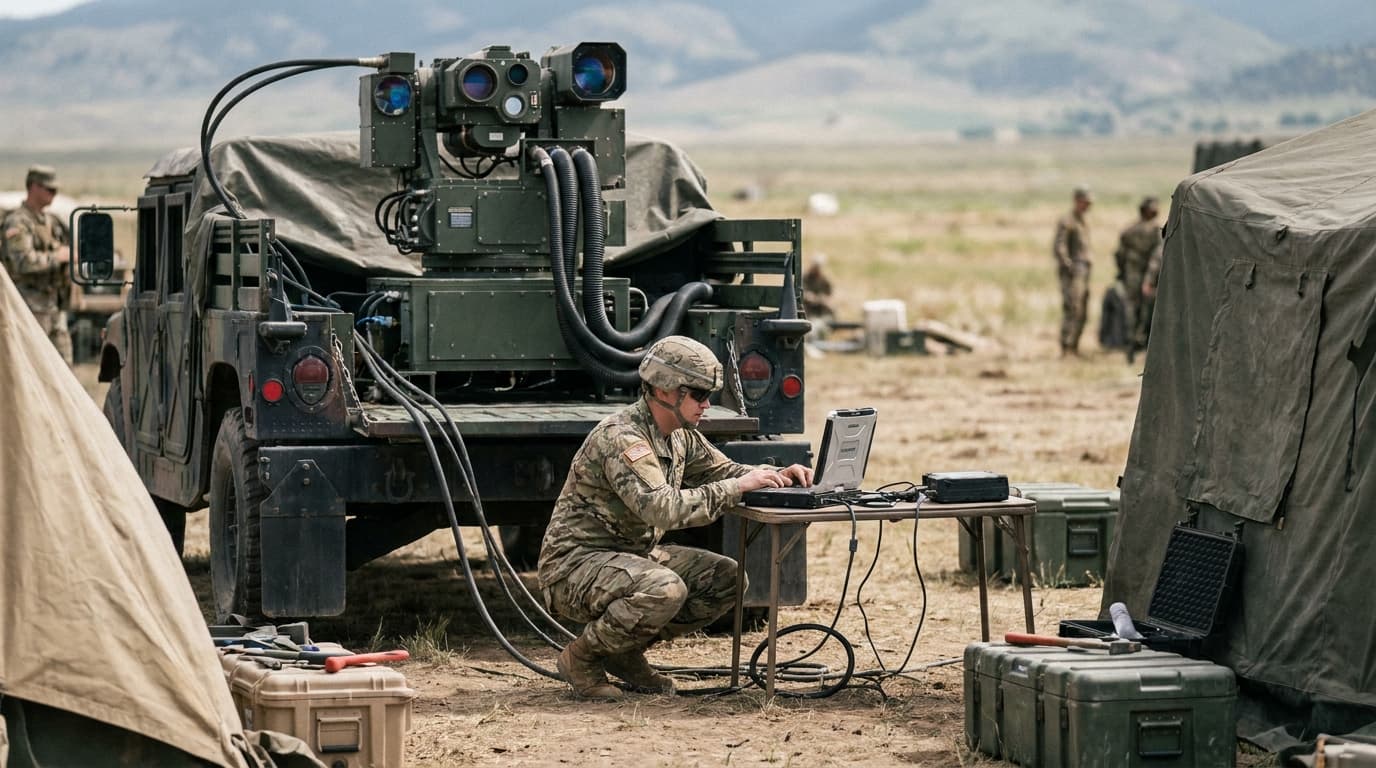
TL;DR: Ukraine expects to deploy combat lasers to counter drones on the front lines within the next few months. This marks a major step for directed energy weapons, moving them from experimental tech to a practical battlefield tool.
Key facts
- Category
- Tech Updates
- Impact
- High
- Published
- Source
- TechRadar
Full summary
Ukraine plans to deploy combat lasers against drones within months, signaling the battlefield arrival of directed energy weapons for real-world use.
Ukraine’s military is preparing to deploy combat laser systems to the front lines within the next two to three months, according to its deputy commander-in-chief. As reported by TechRadar, these new systems are intended to help counter the constant threat of Russian drones. The Ukrainian military has set an ambitious goal of intercepting 95% of incoming drones, and these laser weapons are a key part of that strategy. The initial systems are expected to have an effective range of approximately 800 to 1,500 meters, making them suitable for defending specific locations against smaller reconnaissance and first-person-view (FPV) attack drones. This rapid deployment signals a significant moment where directed energy weapons are transitioning from development and testing to active operational use in a major conflict.
These systems are a form of Directed Energy Weapon (DEW), which works by focusing a powerful beam of light onto a target. The intense energy rapidly heats the drone's surface, which can melt its airframe, destroy its sensitive guidance electronics, or even detonate its explosive payload. Unlike traditional missile-based air defenses, laser weapons do not run out of ammunition as long as they have a continuous power source. This provides a significant logistical advantage and a dramatically lower cost-per-shot, as each firing only consumes electricity. The primary technical challenges have always been generating sufficient power, managing the immense heat produced, and accurately tracking and holding the beam on a small, fast-moving target, especially in adverse weather. The imminent deployment suggests that these engineering hurdles have been sufficiently overcome for practical battlefield applications.
This development is a critical milestone for technology leaders and security professionals. For CTOs and founders in the defense and security sectors, it validates the viability of directed energy weapons and signals a maturing market ready for investment and innovation. The move from research and development to battlefield procurement is the strongest possible indicator that the technology is ready. For corporate and government security teams tasked with protecting critical infrastructure, this provides a real-world case study of a new class of defensive tool against the growing threat of malicious drone activity. It demonstrates that high-tech, low-cost-per-shot systems are no longer a future concept but a present-day reality for physical security.
The war in Ukraine has consistently served as an accelerator for military technology, and the introduction of laser weapons will have a ripple effect across the global defense industry. Successful deployment will likely spur increased funding and faster development cycles for similar systems in other countries. It fundamentally alters the economic equation of drone warfare. While cheap drones have given attackers a low-cost way to strike high-value targets, effective and inexpensive laser defenses could shift the advantage back to the defender. This has direct implications beyond the military, as the same technology can be adapted to protect airports, power plants, data centers, and public venues from drone-based threats, creating a new market for advanced security solutions.
Looking ahead, the key factor to watch will be the real-world performance and reliability of these systems under combat conditions. Data on their effectiveness against different types of drones, their resilience to electronic warfare, and their performance in poor weather like rain or fog will be invaluable. This initial deployment will serve as a crucial test, providing feedback that will shape the next generation of directed energy weapons. Adversaries will also undoubtedly work to develop countermeasures, such as drones with reflective surfaces or tactics designed to overwhelm laser defenses. The results from the front lines in the coming months will determine the trajectory of this technology for years to come.
Why it matters
The imminent battlefield deployment of laser weapons marks a major milestone, moving directed energy from a theoretical concept to a practical tool. For tech leaders and security teams, it validates a new class of defense against aerial threats like drones, signaling a maturing market and a shift in security strategy.
Business impact
This real-world use case will accelerate investment and R&D in the directed energy weapon sector. It creates a new market for low-cost-per-shot defense systems to protect not only military assets but also critical civilian infrastructure like airports and data centers, changing the economics of drone security.
Tags
Related on Notifire
Related stories
Primary source: TechRadar