Massachusetts Drivers Form Ride-Share Union
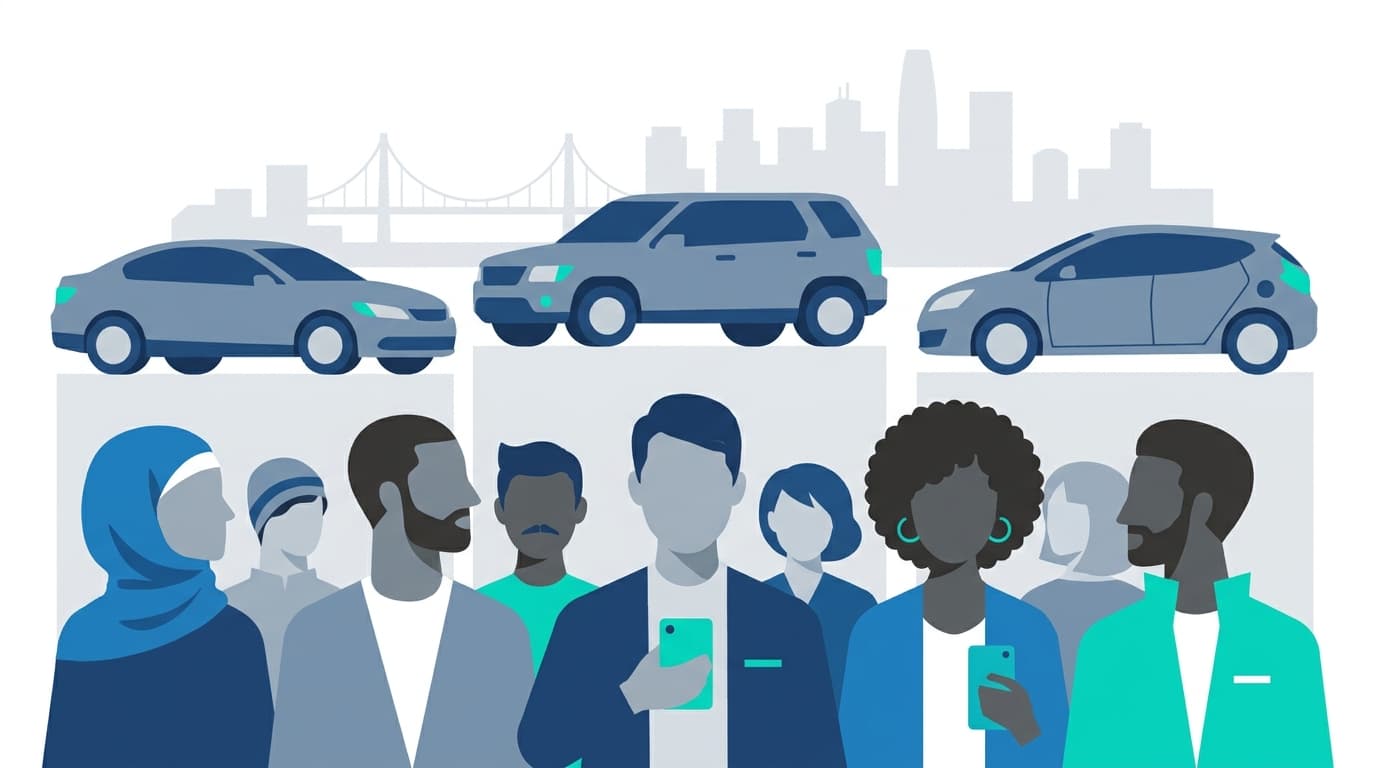
TL;DR: Uber and Lyft drivers in Massachusetts have officially formed the first-ever ride-share union in the United States. The new union will represent thousands of drivers, giving them a collective voice to negotiate on pay, benefits, and working conditions with the ride-hailing giants.
Key facts
- Category
- Tech Updates
- Impact
- Critical
- Published
- Source
- Hacker News
Full summary
For the first time in the US, Uber and Lyft drivers in Massachusetts have formed a union, setting a major precedent for the gig economy.
Ride-share drivers for Uber and Lyft in Massachusetts have successfully formed the first union of its kind in the United States. The new organization, named Drivers Union MA, will represent thousands of drivers across the state. This move grants them the ability to collectively bargain for better pay, benefits, and working conditions, a significant shift from their previous status as individual independent contractors. The formation follows a long period of organizing and campaigning by drivers seeking greater protections and a stronger voice in how the ride-hailing platforms operate. This development marks a pivotal moment for labor organization within the rapidly evolving gig economy.
The establishment of this union has profound implications for the business models of Uber, Lyft, and other gig economy companies. Their operations heavily rely on classifying workers as independent contractors, which minimizes labor costs related to benefits, minimum wage, and overtime. This new union directly challenges that classification and could force a re-evaluation of their labor practices, potentially leading to higher operational expenses. For founders and business leaders in the tech sector, this sets a powerful precedent, signaling a potential wave of similar organizing efforts across the country. The outcome of negotiations in Massachusetts will be closely watched by investors and regulators alike.
Why it matters
This is the first-ever ride-share union in the US, setting a major precedent for the entire gig economy. It challenges the long-standing independent contractor model and could inspire similar movements in other states, fundamentally altering the labor landscape for tech platforms.
Business impact
The union could lead to increased labor costs for Uber and Lyft, impacting their profitability and business models. It introduces new regulatory risks and may force a re-evaluation of worker classification, affecting any company that relies on a gig workforce.
Tags
Related on Notifire
Related stories
Primary source: Hacker News