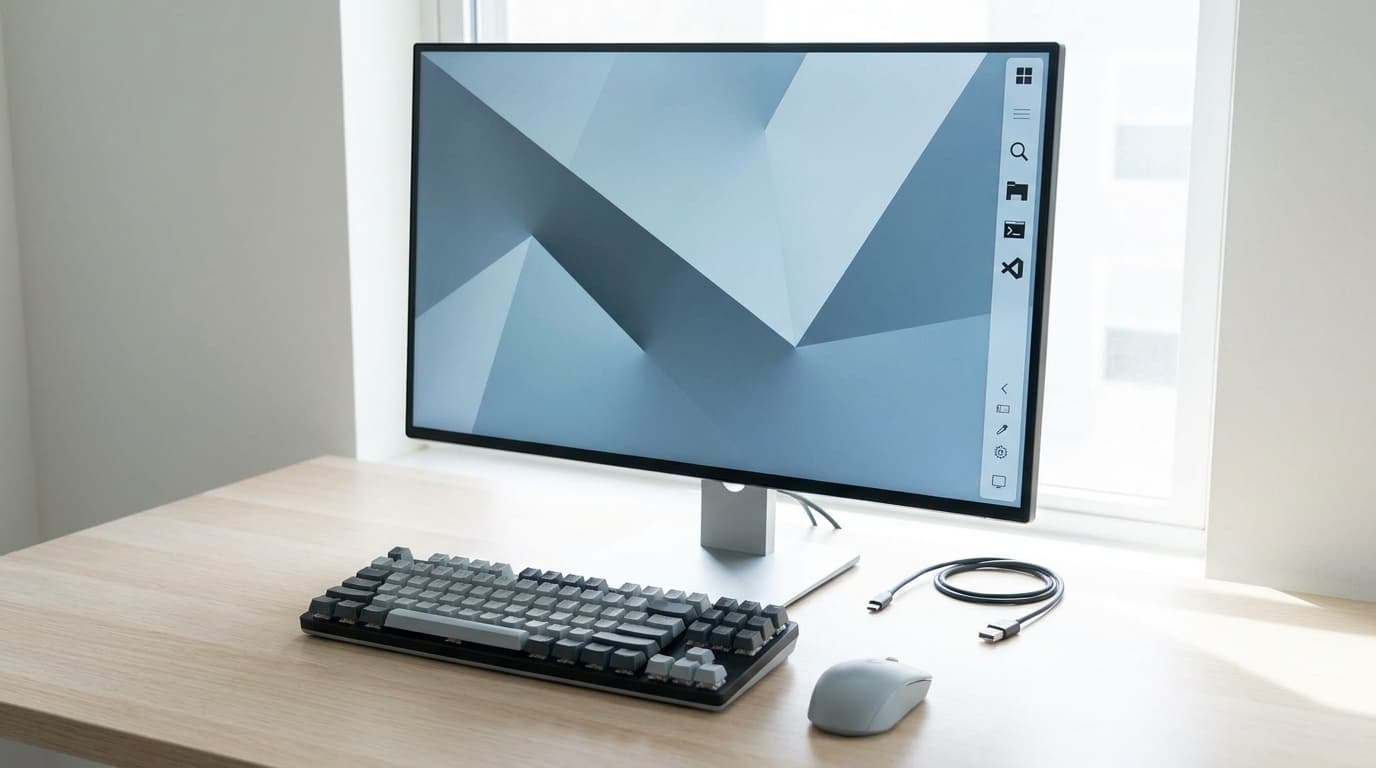
Microsoft Tests New Windows 11 Customizations
TL;DR: Microsoft is testing highly requested customization features for Windows 11 in a new Insider Preview build. Users can now move the taskbar to any side of the screen, use smaller buttons, and reduce recommended content in the Start menu, addressing long-standing community feedback.
Key facts
- Category
- Tech Updates
- Impact
- Low
- Published
- Source
- Slashdot
Full summary
Microsoft is testing long-requested Windows 11 UI changes, including a movable taskbar and a more configurable Start menu for Insider builds.
Microsoft has begun testing several highly requested user interface customization features in a new Windows 11 Insider Preview build. The update, Build 26300.8493, introduces the ability to move the taskbar to the top, left, or right sides of the screen, in addition to its standard bottom position. The taskbar can also be configured to use smaller buttons. Alongside these changes, the Start menu is becoming more configurable, allowing users to reduce the amount of recommended content it displays. According to Microsoft, the movable taskbar has been one of the most requested features for the operating system.
These updates directly address some of the most common criticisms leveled against Windows 11 since its release. Many users, particularly power users and developers, found the locked taskbar and redesigned Start menu to be a step back in functionality compared to Windows 10. For IT departments and businesses, offering greater flexibility can ease the transition for employees, potentially improving user satisfaction and productivity. The ability to tailor the desktop environment to individual workflows is a significant quality-of-life improvement that could encourage wider adoption of the OS in professional settings.
As these features are currently in an Insider Preview build, they are still in the testing phase and are not yet available to all Windows 11 users. Microsoft will gather feedback from its community of testers before deciding on a wider rollout. This move indicates a renewed focus from the company on responding to user feedback for its core desktop product, potentially paving the way for more user-driven enhancements in future updates.
Primary source: Slashdot