MIT Creates a Zipper That Can Change Its Shape
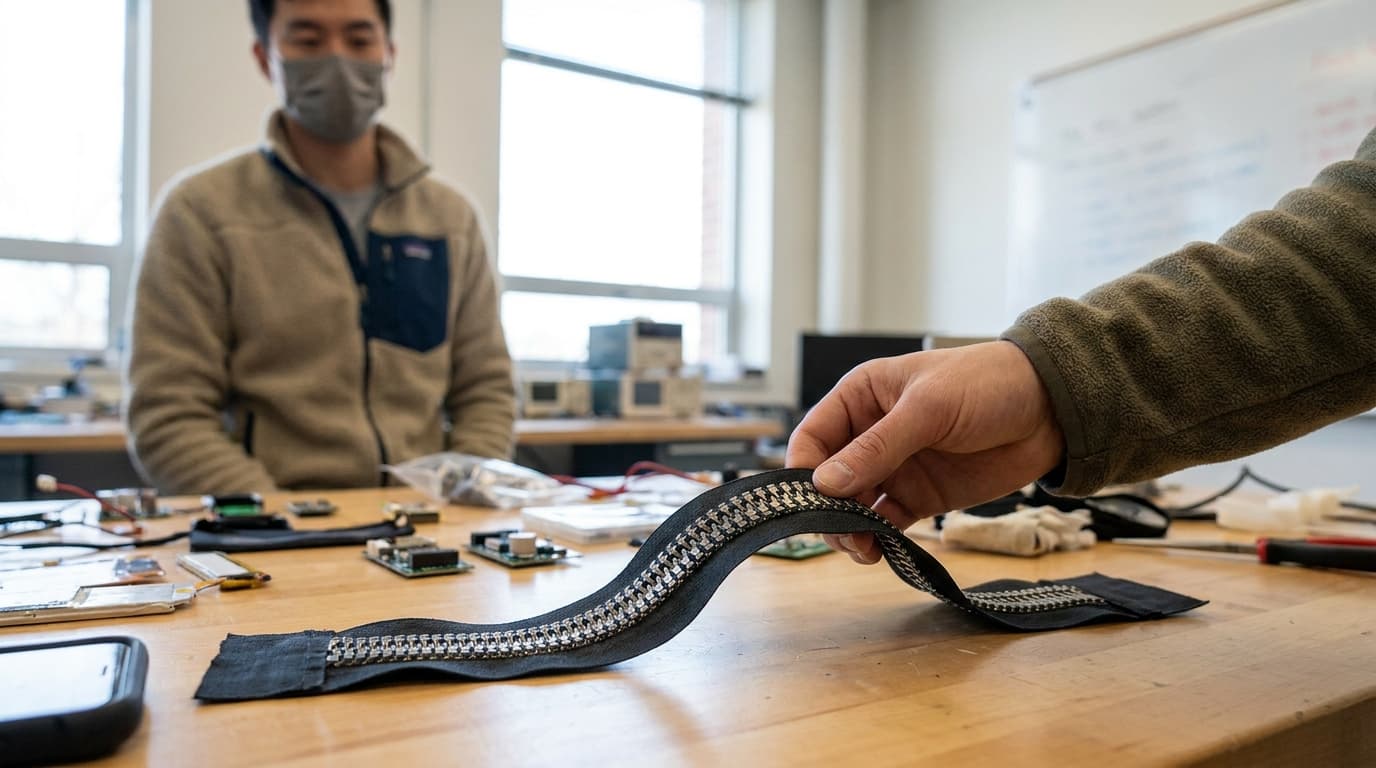
TL;DR: MIT researchers have designed a new type of fastener that can adapt its shape, inspired by an old zipper patent. This innovation could make it easier to build things from adjustable medical casts to complex robotic parts.
Key facts
- Category
- Tech Updates
- Impact
- Medium
- Published
- Source
- MIT Technology Review
Full summary
MIT researchers designed a new type of fastener that can adapt its shape, with applications in robotics and medical devices.
Researchers at MIT's Computer Science and Artificial Intelligence Laboratory (CSAIL) have developed a new kind of adaptable fastener. The team, led by associate professor Stefanie Mueller, drew inspiration from a seemingly forgotten prototype: a three-sided zipper patented in the mid-1980s by William Freeman, who is now also an MIT professor. The core innovation is not just the hardware itself but also the accompanying software. This custom software allows designers and engineers to create unique versions of the fastener tailored to specific needs, opening up new possibilities for how physical objects are joined and constructed. The system moves beyond the simple open-and-close function of a traditional zipper, allowing for more complex and dynamic connections between parts.
This invention has significant implications for industries focused on physical products and hardware. For founders and CTOs in the robotics space, the ability to create adaptable joints and connections could simplify the design of complex machines that need to move and change shape. In the medical field, the technology could lead to devices like casts for broken bones that can be easily adjusted as swelling subsides, improving patient comfort and recovery. The fastener also presents a powerful new tool for rapid prototyping, allowing engineers to quickly create and test designs with movable or reconfigurable parts. It represents a shift from static components to more dynamic and integrated hardware solutions.
The broader potential of this technology lies in its ability to make everyday objects more user-friendly and versatile. For example, the researchers suggest it could make complex tasks like pitching a tent significantly easier by replacing rigid poles and complicated instructions with a more intuitive fastening system. By rethinking a fundamental component like the zipper, the MIT team is exploring how smart design and manufacturing can simplify the assembly and use of physical goods. This approach could influence future product design, leading to more adaptable and easily customizable items for consumers and specialized equipment for various industries, making hardware feel more like software in its flexibility.
Related on Notifire
Related stories
Primary source: MIT Technology Review