NASA Bets on Boeing as SpaceX Plans Exit
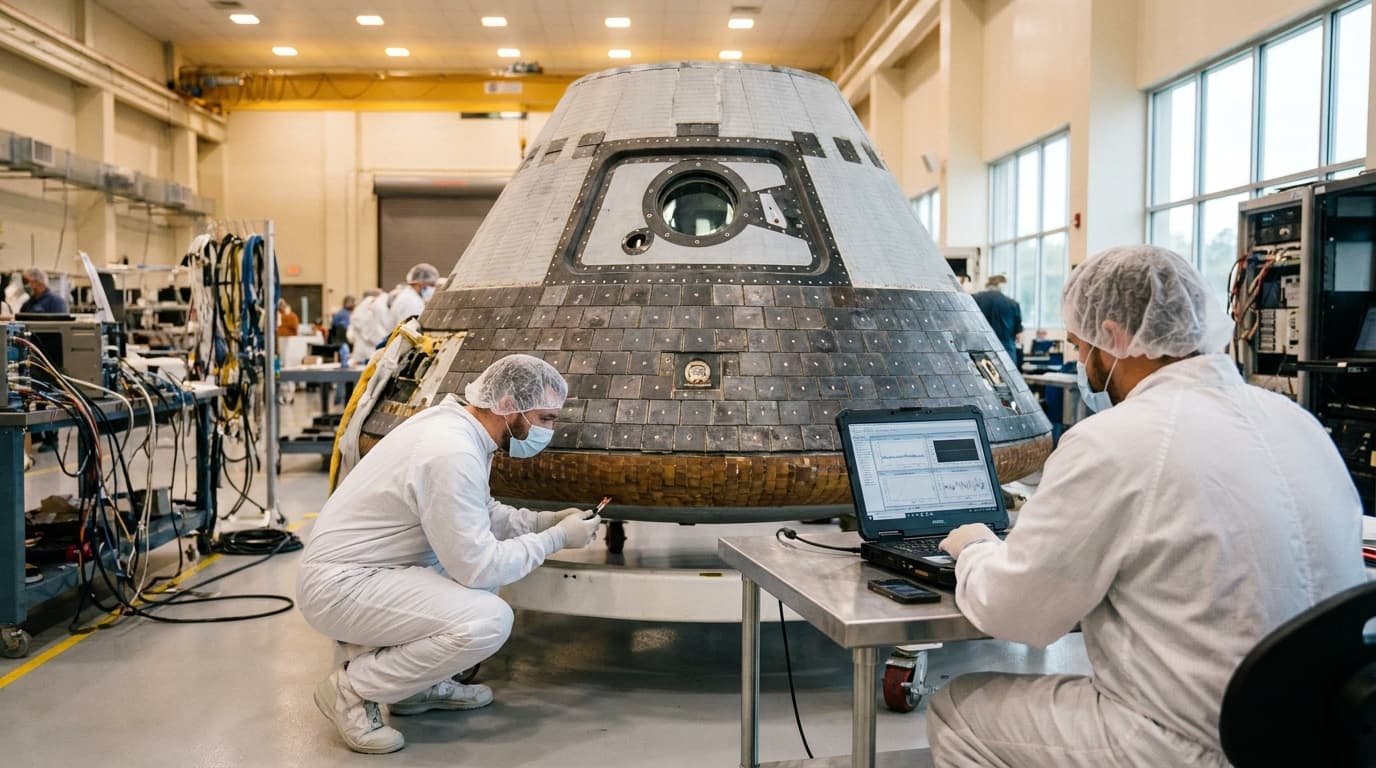
TL;DR: NASA is increasing its reliance on Boeing's Starliner for astronaut missions. The move comes as SpaceX plans to retire its Crew Dragon, forcing NASA to ensure it has a reliable way to reach the International Space Station.
Key facts
- Category
- Tech Updates
- Impact
- Medium
- Published
- Source
- Ars Technica
Full summary
With SpaceX's Crew Dragon retiring, NASA is turning to Boeing's troubled Starliner to keep its astronauts flying to the space station.
NASA is preparing for a significant shift in its human spaceflight strategy, placing Boeing's long-delayed Starliner spacecraft in a central role. According to reporting from Ars Technica, the agency plans to order at least two additional crewed missions from Boeing. This decision is driven by a major development from its other commercial partner, SpaceX, which intends to retire its Crew Dragon capsule in the coming years to focus on its next-generation Starship vehicle. This effectively promotes Starliner from a secondary, redundant option to a primary vehicle for transporting American astronauts to the International Space Station. For years, Boeing has been seen as lagging far behind SpaceX in the Commercial Crew Program, but this strategic pivot by SpaceX has handed Boeing an unexpected and critical opportunity to become the main taxi service to low-Earth orbit for the United States and its international partners.
The renewed focus on Starliner comes with immense technical challenges and a history of setbacks. The spacecraft has a well-documented and troubled development past, including a failed uncrewed orbital test flight in 2019 that missed the space station, followed by years of delays caused by software glitches and persistent problems with the capsule's propulsion valves. NASA's increased commitment means the agency will be deeply involved in ensuring the vehicle is not only safe for its initial crewed flights but also sustainable for long-term operations. A major hurdle is the impending retirement of Starliner's launch vehicle, the United Launch Alliance Atlas V rocket. To keep Starliner flying through the end of the decade, NASA and Boeing must undertake the complex and costly process of certifying the capsule to fly on a new rocket, most likely ULA's Vulcan Centaur. This integration process will involve extensive testing and analysis to guarantee the new rocket's vibrations and flight profile are compatible with the sensitive spacecraft.
This development fundamentally alters the landscape of NASA's Commercial Crew Program, which was founded on the principle of competition and redundancy. The goal was to have two independent, certified American systems to guarantee access to space, preventing a scenario where a problem with one provider could ground the entire US human spaceflight program. For the better part of a decade, SpaceX’s Crew Dragon has served as the reliable workhorse, successfully flying numerous missions while Boeing struggled to get Starliner off the ground. With SpaceX signaling its exit, NASA is facing the prospect of becoming reliant on a single provider—a situation reminiscent of the Space Shuttle era that the commercial program was designed to move beyond. This puts enormous pressure on Boeing to finally deliver a safe and reliable vehicle and significantly reduces NASA's negotiating leverage for future mission pricing and scheduling.
For founders, CTOs, and investors in the aerospace and deep tech sectors, this story serves as a powerful case study in market dynamics and long-term strategy. It demonstrates how the strategic decisions of one dominant player (SpaceX) can create a vacuum that presents a lifeline and a massive market opportunity for a competitor. The key takeaway is that in industries with high barriers to entry and long development cycles, persistence can pay off in unexpected ways. Moving forward, the industry will be closely watching several key milestones. The first is the official announcement from NASA confirming the new Starliner orders. Following that, all eyes will be on the performance of Starliner's first crewed test flight. Finally, the roadmap and timeline for certifying Starliner on a new launch vehicle will be a critical indicator of the long-term viability of NASA's revised space access strategy.
Why it matters
This strategic pivot highlights the fragility of relying on a few private partners for critical infrastructure like space access. For engineers and technical leaders, it underscores the importance of long-term hardware lifecycles and the ripple effects of one company's roadmap (SpaceX) on an entire national program.
Business impact
Boeing receives a critical lifeline for its Starliner program, turning a struggling project into a cornerstone of NASA's plans. This move shifts market dynamics, reduces NASA's negotiating leverage by limiting provider competition, and creates new opportunities for suppliers involved in the Starliner and its future launch vehicle integration.
Related on Notifire
Related stories
Primary source: Ars Technica