Navigating Career Uncertainty in Tech
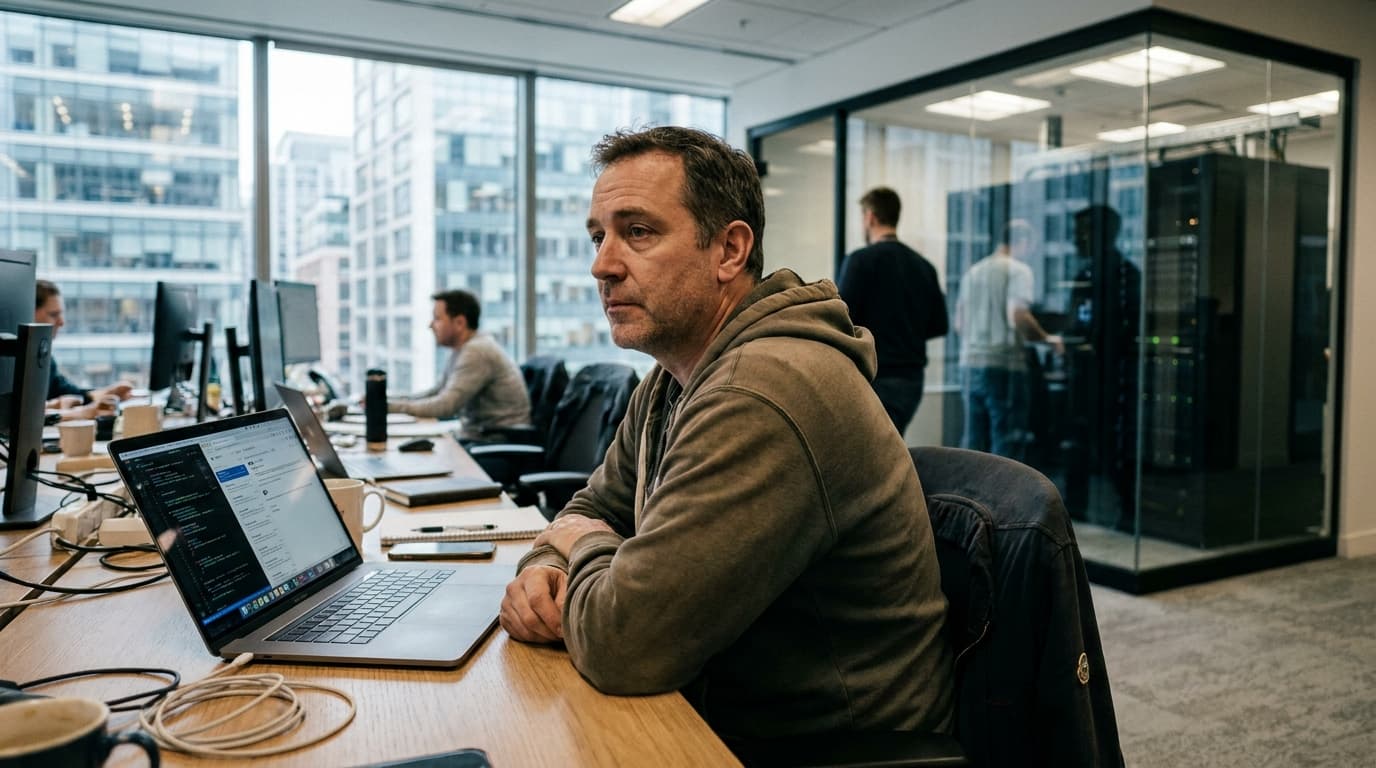
TL;DR: A commentary on the challenges young tech professionals face. The rapid pace of innovation, particularly in AI, creates constant pressure to learn new skills for jobs that may not exist in a few years, leading to significant career uncertainty and self-doubt.
Key facts
- Category
- Tech Updates
- Impact
- Low
- Published
- Source
- Dev.to
Full summary
Young tech professionals face immense pressure to keep up with rapid changes like AI, new frameworks, and evolving job roles, causing career uncertainty.
A recent commentary highlights the significant pressure and uncertainty faced by young professionals in the technology sector. The author describes a common experience for those in their early 20s: a feeling of doubt about their career path, amplified by the relentless pace of technological change. This anxiety is often fueled by constant news of new AI models, emerging software frameworks, and headlines about job roles that are created and become obsolete within years. The core question for many is whether they are learning the right skills and making the correct career choices in an industry that is always in flux, making long-term planning incredibly difficult.
This sentiment resonates widely across the tech industry, affecting developers, engineers, and even team leaders. The pressure to continuously upskill and stay relevant is a major contributor to stress and potential burnout. For founders and CTOs, this highlights a critical challenge in talent management: how to support and retain employees who are navigating this volatile landscape. It underscores the importance of creating a work culture that values continuous learning, provides clear guidance, and acknowledges the mental toll of keeping up with an industry that never stands still. Ignoring this can impact team morale, productivity, and innovation.
Why it matters
The piece articulates a common feeling of career uncertainty among young tech professionals, driven by the rapid pace of innovation in areas like AI. It highlights the pressure to constantly learn new skills for jobs that may not exist in a few years.
Business impact
This sentiment can affect employee morale, retention, and mental well-being. Businesses that acknowledge this pressure and support continuous learning and career development can foster a more resilient and motivated workforce, reducing the risk of burnout and talent attrition.
Tags
Related on Notifire
Related stories
Primary source: Dev.to