Neuralink Rival Implants First Human Vision Chip
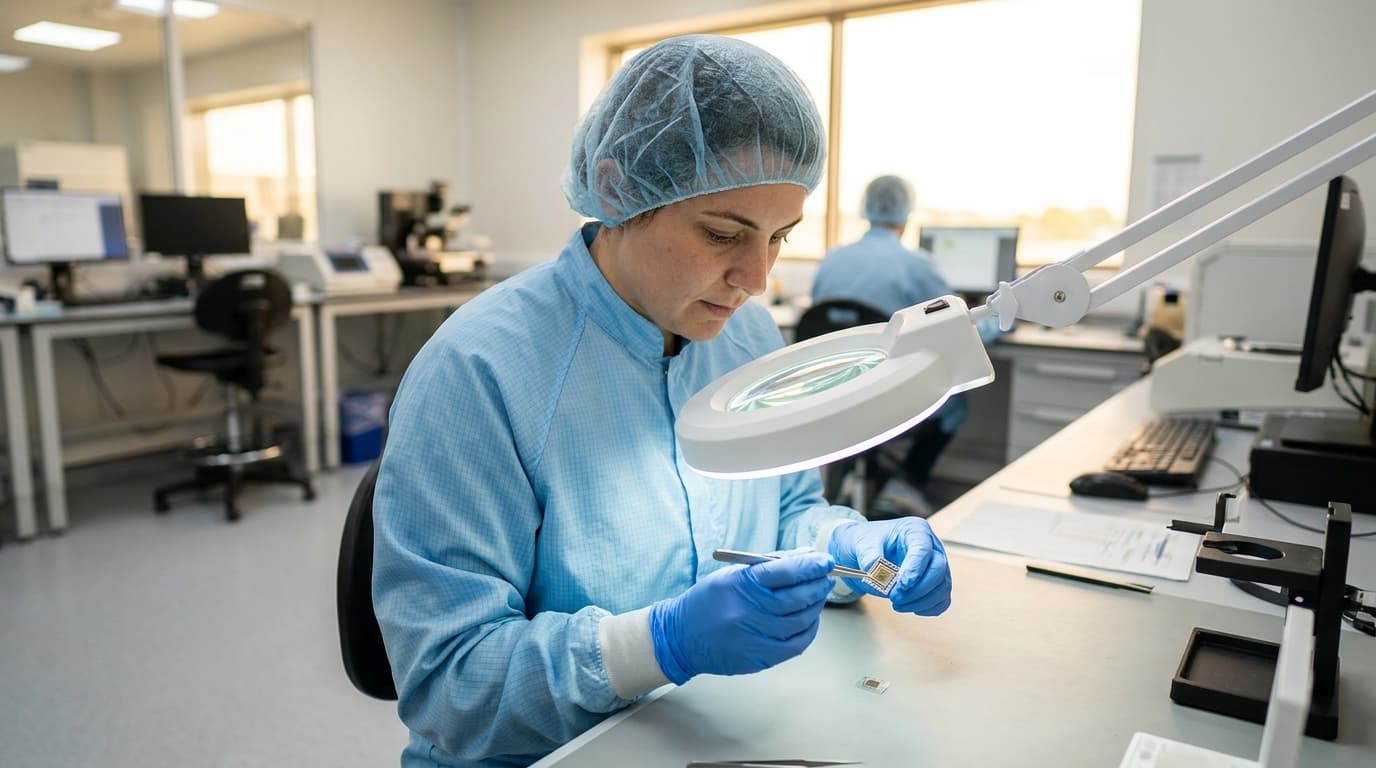
TL;DR: Science Corp, a startup from Neuralink's ex-president, has implanted its first vision-restoring chip in a human patient. The device aims to treat degenerative eye diseases and is a step toward a broader brain-computer interface.
Key facts
- Category
- Tech Updates
- Impact
- High
- Published
- Source
- TechCrunch
Full summary
A startup from Neuralink's ex-president has implanted its first vision-restoring chip, a major step toward a new kind of brain-computer interface.
Science Corporation, a startup founded by former Neuralink president and co-founder Max Hodak, has successfully implanted its vision-restoring chip in its first human patient. According to a report from TechCrunch, Hodak announced the milestone at the TechCrunch Disrupt conference. The patient receiving the implant has Stargardt disease, a genetic condition that causes progressive vision loss. This achievement marks a critical step for Science Corp, moving its technology from the lab into clinical trials and positioning it as a serious contender in the rapidly advancing field of brain-computer interfaces (BCIs). The company's ultimate goal extends beyond vision restoration, viewing this initial application as a foundational step toward developing more comprehensive neural interfaces.
The Science Corp device, known as the Science Eye, represents a distinct technical approach to neural interfacing. Unlike implants placed directly into the brain cortex, the Science Eye is a flexible, ultra-thin micro-LED display implanted over the retina. The system is designed to work by stimulating the optic nerve cells, effectively bypassing the damaged photoreceptor cells that cause blindness in diseases like Stargardt disease and retinitis pigmentosa. This method of sensory replacement is less invasive than a direct brain implant and focuses on restoring a specific biological function. By targeting the eye's existing neural pathways, the company aims to create a high-resolution sense of vision. This strategy of augmenting a peripheral sense organ is a key differentiator from competitors and is part of a broader vision for a novel type of BCI.
The successful human implant places Science Corp in direct competition with Hodak’s former company, Neuralink, which also recently announced its first human implant. However, the two companies are pursuing fundamentally different strategies. Neuralink is developing a general-purpose BCI that reads and writes neural signals directly in the brain's motor cortex, initially aiming to help paralyzed individuals control computers and robotic limbs. Science Corp, in contrast, is taking a more targeted, application-specific approach by first solving a clear medical need with its vision-restoring device. This strategy may provide a more streamlined path through regulatory approval and to market. The emergence of these distinct approaches highlights a key debate in the BCI industry: whether to build a universal platform from the start or to develop specific solutions for specific problems as a foundation for future expansion.
For technology leaders, founders, and developers, this milestone is a clear signal that the BCI landscape is maturing and diversifying beyond a single high-profile player. The progress of Science Corp validates an alternative, less invasive strategy that could open up new possibilities for human-computer interaction and medical treatment. The immediate next step is to monitor the results of this first-in-human trial. Data on the safety of the implant and the quality of vision it provides will be critical for the company’s future and for the BCI field as a whole. A successful outcome would not only provide hope for patients with degenerative eye diseases but also accelerate investment and innovation across the entire neurotechnology sector, pushing the boundaries of what is possible in merging biology with technology.
Why it matters
This marks a significant milestone in the brain-computer interface race, demonstrating a different approach from Neuralink's direct brain implant. For engineers, it signals growing momentum and diversification in neurotechnology, potentially opening new platforms for human-computer interaction beyond traditional input methods.
Business impact
Science Corp's human trial validates its technology, intensifying competition in the nascent BCI market against players like Neuralink. This progress could attract significant investment and partnerships in the medical technology sector, signaling a new frontier for treating conditions previously considered incurable.
Tags
Related on Notifire
Related stories
Primary source: TechCrunch