Nintendo Seeks Touchscreen Monster-Catching Patent
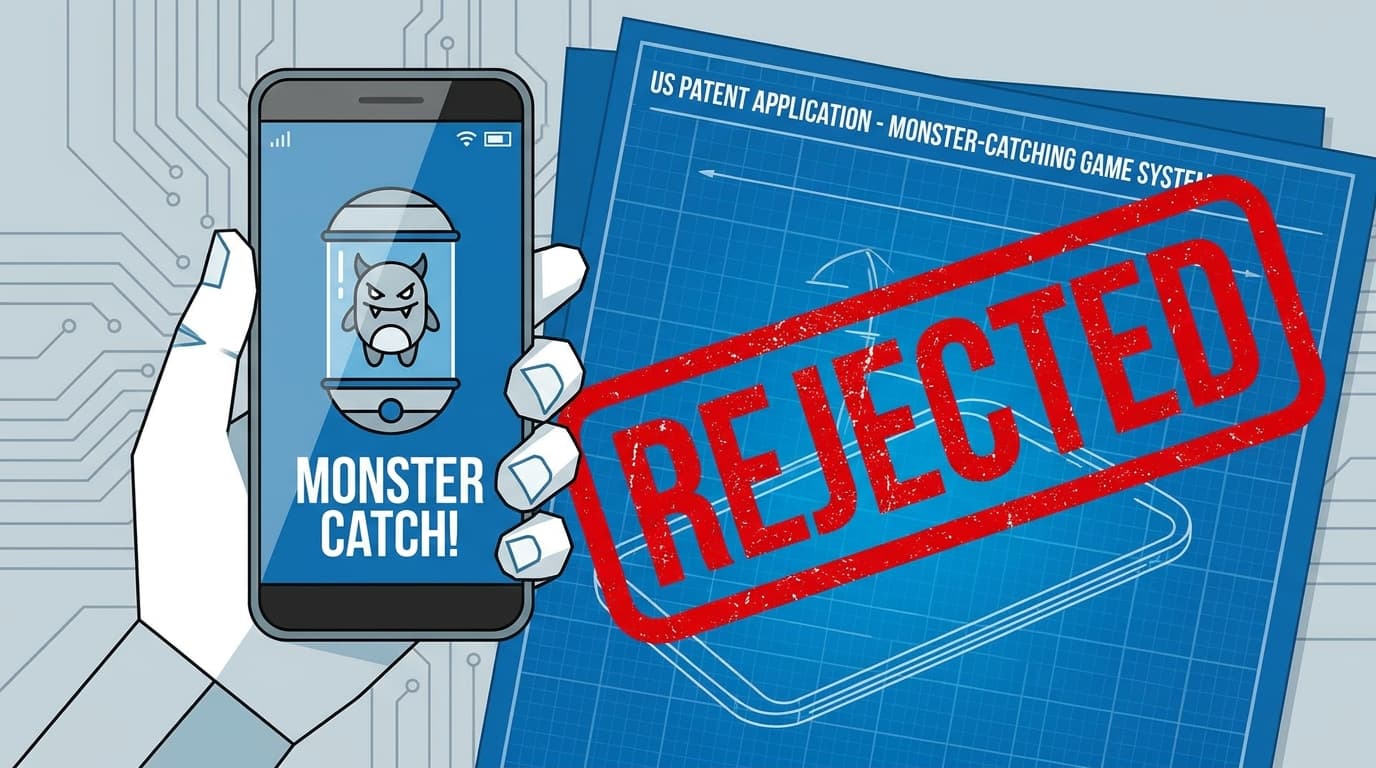
TL;DR: Nintendo is trying to patent a touchscreen-based monster-catching mechanic, a move that could affect games like Palworld Mobile. Japan's patent office has initially rejected the application, citing a lack of a sufficient inventive step over existing technology. Nintendo can still appeal or amend its claims.
Key facts
- Category
- Tech Updates
- Impact
- Low
- Published
- Source
- Slashdot
Full summary
Nintendo's patent application for a touchscreen monster-catching mechanic was initially rejected by Japan's patent office for lacking an inventive step.
Nintendo has applied for a patent in Japan for a specific method of capturing in-game monsters using a touchscreen. The application, however, has faced an initial rejection from the Japan Patent Office (JPO). The JPO's reasoning is that the proposed mechanic lacks a sufficient "inventive step," suggesting it is not a significant enough innovation over existing technologies and prior art. This application is reportedly part of a larger patent family that Nintendo has previously referenced in relation to the PC and console versions of the game Palworld.
This patent attempt is significant for the mobile gaming industry. If Nintendo eventually succeeds, it could gain exclusive rights to this type of gameplay mechanic, potentially creating legal hurdles for competitors, including the highly anticipated Palworld Mobile. Such a patent could force other developers to redesign their games or seek licensing agreements. The initial rejection offers temporary relief to others in the market, but the situation remains fluid as Nintendo can appeal the decision or amend its patent claims to be more specific.
The focus now shifts to Nintendo's next move. The company can either challenge the JPO's decision through an appeal or revise its application to better differentiate its invention from prior art. Developers and publishers in the mobile gaming space will be watching closely, as the final outcome could influence intellectual property strategies and game design for years to come, highlighting the ongoing tension between protecting innovation and maintaining a competitive market.
Why it matters
The patent, if granted, could give Nintendo control over a common mobile gameplay mechanic, potentially impacting competitors like Palworld Mobile and setting a precedent for IP in the gaming industry.
Business impact
A successful patent could force mobile game developers to redesign games or pay licensing fees to Nintendo, creating a competitive advantage for the company and potential legal risks for others in the market.
Tags
Related on Notifire
Related stories
Primary source: Slashdot