This New Laptop Will Be Made Entirely in America
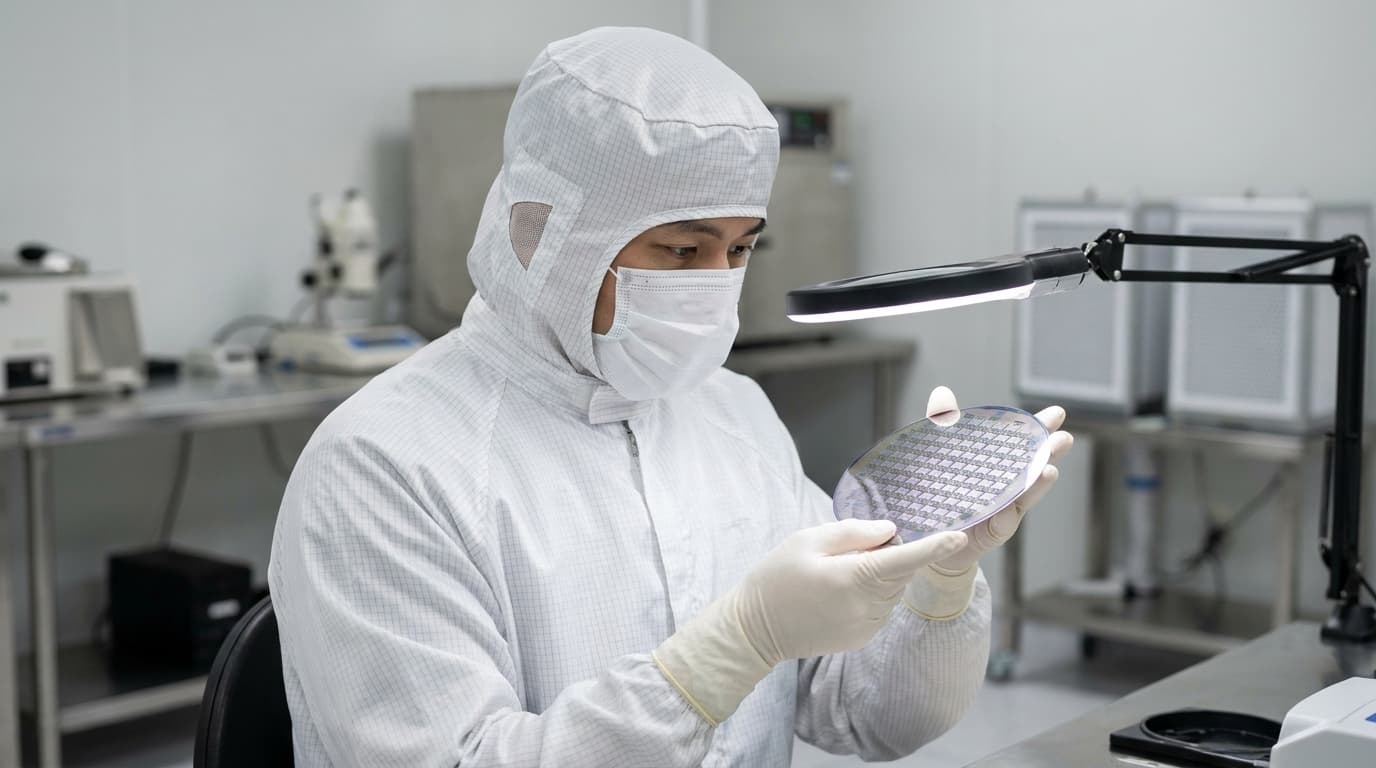
TL;DR: Anduril and Qualcomm are launching BlueChip, a new venture to build laptops entirely in the US. The project aims to eliminate reliance on foreign supply chains for components, directly addressing major hardware security concerns.
Key facts
- Category
- Tech Updates
- Impact
- High
- Published
- Source
- TechCrunch Startups
Full summary
Anduril's Palmer Luckey and Qualcomm are launching a venture to build a laptop with every single component made in the United States.
Anduril founder Palmer Luckey is partnering with semiconductor giant Qualcomm to launch a new venture named BlueChip. According to reporting from TechCrunch, the company's ambitious goal is to design and manufacture a laptop entirely within the United States. This initiative aims to address deep-seated national security concerns by creating a computer free from foreign supply chain dependencies. The project goes far beyond simple domestic assembly, vowing to produce every single component—from the main processor to the smallest capacitor—on American soil. This represents a fundamental rethinking of how modern electronics are made, directly challenging the globalized manufacturing model that has dominated the industry for decades.
The core challenge for BlueChip lies in its definition of "US-made." Unlike products that are merely assembled in the U.S. from globally sourced parts, this venture intends to re-establish a domestic ecosystem for every piece of the hardware. This includes fabricating the silicon for the processors, manufacturing the printed circuit boards, and sourcing all the passive components that are currently almost exclusively produced in Asia. The complexity of this task is immense, as the supply chain for a single laptop involves hundreds of specialized suppliers. Luckey's plan involves not just building a product but catalyzing an entire domestic industry, potentially leveraging new manufacturing techniques and partnerships to overcome the economic advantages of established overseas facilities.
BlueChip's mission aligns perfectly with a growing geopolitical trend focused on technological sovereignty and supply chain resilience. The initiative arrives in the wake of legislation like the CHIPS and Science Act, which allocates billions of dollars to incentivize domestic semiconductor manufacturing. For years, security experts have warned about the risks of hardware-based threats, where malicious components or backdoors could be inserted during manufacturing in foreign countries. These threats are notoriously difficult to detect and can compromise systems at a fundamental level. While companies like Apple have moved some final assembly to the U.S., their component supply chain remains overwhelmingly international. BlueChip’s approach is a direct response to this vulnerability, proposing a “zero trust” model for hardware by controlling every step of the production process.
The initial market for a BlueChip laptop will likely be niche and high-margin, targeting government agencies, defense contractors, and enterprise clients managing critical infrastructure. For these customers, the guarantee of a secure, transparent supply chain could justify a significant price premium over competing devices. The primary obstacles will be cost and scale. Rebuilding a domestic electronics manufacturing base is an incredibly expensive and time-consuming endeavor, and competing on price with established players like Dell or HP will be nearly impossible in the short term. Technology leaders should watch for key milestones, such as announcements of fabrication partners, details on the specific Qualcomm chipset being used, and the initial target price point. The trajectory of BlueChip will serve as a crucial test case for whether high-tech manufacturing can be successfully reshored to the United States.
Why it matters
For security and IT teams, a verifiably US-made laptop could eliminate hardware-level supply chain threats from foreign adversaries. This provides a trusted hardware option for sensitive government and enterprise work, reducing the risk of embedded backdoors or compromised components that are difficult to detect with software alone.
Business impact
BlueChip represents a direct challenge to the global electronics supply chain dominated by Asia. If successful, it could create a new premium market for secure, onshore hardware, forcing competitors to re-evaluate their manufacturing strategies and increasing costs for companies requiring high-assurance devices.
Tags
Related on Notifire
Related stories
Primary source: TechCrunch Startups