Raspberry Pi Wants You to Build a Cyberdeck
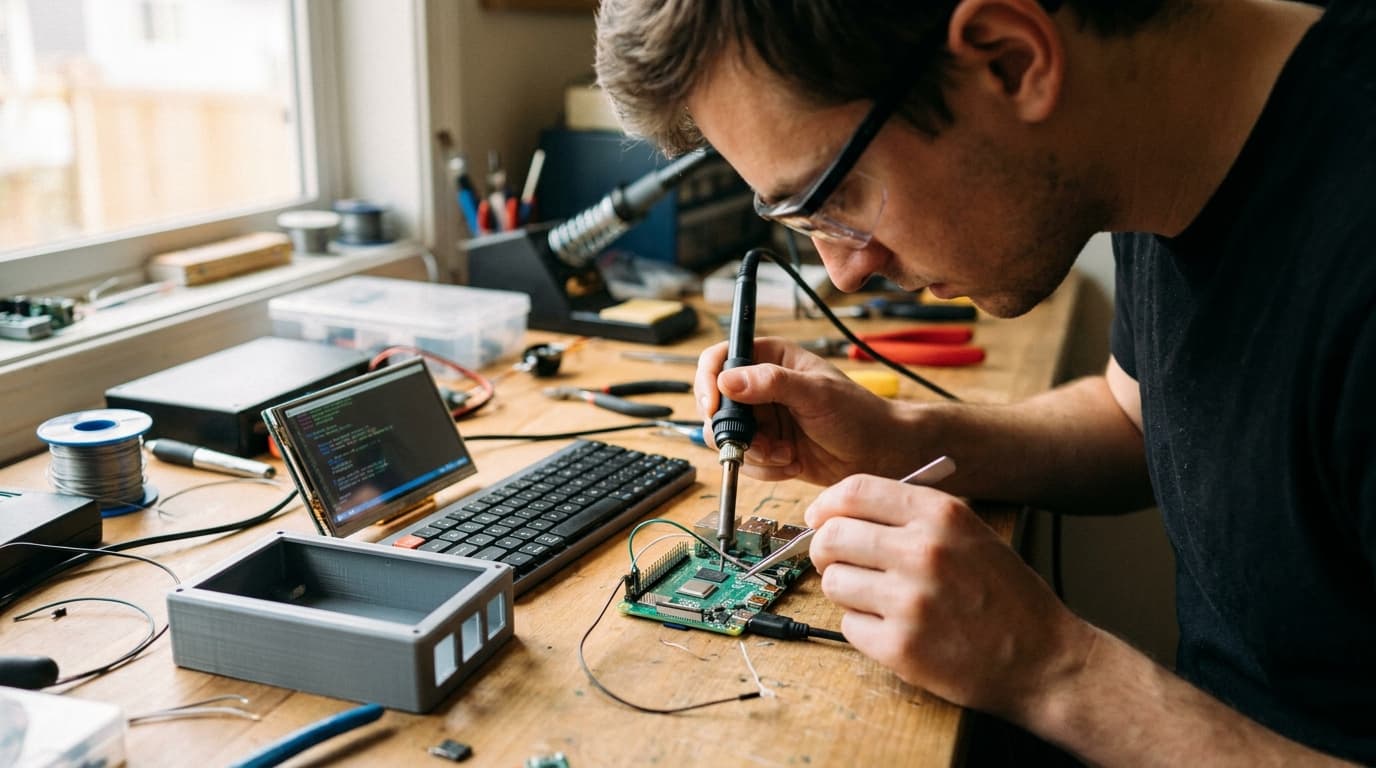
TL;DR: Raspberry Pi has released its first official guide for building a cyberdeck, a DIY portable computer. This move embraces a viral social media trend, making custom hardware development more accessible for both hobbyists and professional prototypers.
Key facts
- Category
- Tech Updates
- Impact
- Low
- Published
- Source
- The Verge
Full summary
Raspberry Pi has released its first official guide for building a cyberdeck, embracing a viral trend in DIY portable computers.
Raspberry Pi has officially endorsed the growing trend of building “cyberdecks” by releasing its own tutorial. According to The Verge, the company’s head of social media acknowledged the viral popularity of these custom-built portable computers, which have gained significant attention on platforms like TikTok. A cyberdeck is essentially a DIY, all-in-one computer, often constructed using a Raspberry Pi as its core and housed in unique, frequently recycled enclosures like old briefcases or 3D-printed cases. By providing a sanctioned guide, Raspberry Pi is formalizing a grassroots movement, moving it from a niche hobby into a more mainstream and accessible project for its wide user base.
At its core, the project leverages the Raspberry Pi as the central processing unit. The new guide simplifies the process of integrating essential components: a power source, a small display, and a compact keyboard into a single, portable unit. The innovation here is not in new hardware, but in the official documentation and support. This lowers the technical barrier to entry, removing much of the guesswork involved in sourcing compatible parts and wiring them together correctly. The tutorial provides a structured path for creating a functional, bespoke computing device, turning what was once a complex endeavor reserved for seasoned makers into a project that developers and IT professionals can approach with confidence for specific, practical applications.
This development is significant for technical teams beyond the hobbyist community. For developers, CTOs, and IT departments, the ability to rapidly prototype and deploy custom hardware is a powerful capability. A cyberdeck can be configured as a portable network analysis tool, a dedicated device for running security penetration tests in the field, or a custom interface for controlling industrial machinery. The low cost and high customizability of a Raspberry Pi-based system make it an ideal platform for creating specialized tools that are either too expensive to buy off-the-shelf or simply do not exist. This guide effectively democratizes the creation of purpose-built hardware solutions.
The business implications extend beyond just building custom gadgets. Raspberry Pi's decision to embrace a user-driven trend demonstrates a keen awareness of its community and the innovative ways its products are being used. This strengthens its ecosystem and reinforces the platform's versatility. For other technology companies, this serves as a case study in the value of listening to and supporting emergent user behaviors. The practical takeaway for business leaders is to recognize that innovation often happens at the edges of a product's intended use case. Supporting these grassroots movements can unlock new markets and applications, fostering a more loyal and engaged customer base while also signaling a commitment to open, flexible technology over closed, proprietary systems.
Looking at the broader context, this move aligns with the growing right-to-repair and maker movements, which champion user control, customization, and sustainability in technology. Cyberdecks are a direct counter-narrative to the sealed, unrepairable devices common in consumer electronics. By promoting the use of recycled parts and open-source hardware, Raspberry Pi is lending its considerable weight to an ethos of technological empowerment. This could inspire a new wave of engineers and developers to think differently about the hardware they use, encouraging them to build their own tools and solutions from the ground up rather than relying solely on pre-packaged products.
Why it matters
The guide lowers the barrier for creating custom hardware, enabling developers and IT teams to build specialized, low-cost tools for tasks like field diagnostics or security testing, moving beyond hobbyist applications.
Business impact
Raspberry Pi's embrace of a user-led trend highlights the business value of community engagement. It also signals a growing market for modular, repairable hardware, offering an alternative to closed-ecosystem consumer electronics.
Tags
Related on Notifire
Related stories
Primary source: The Verge