Renault Is Building EV Motors Without Rare Earths
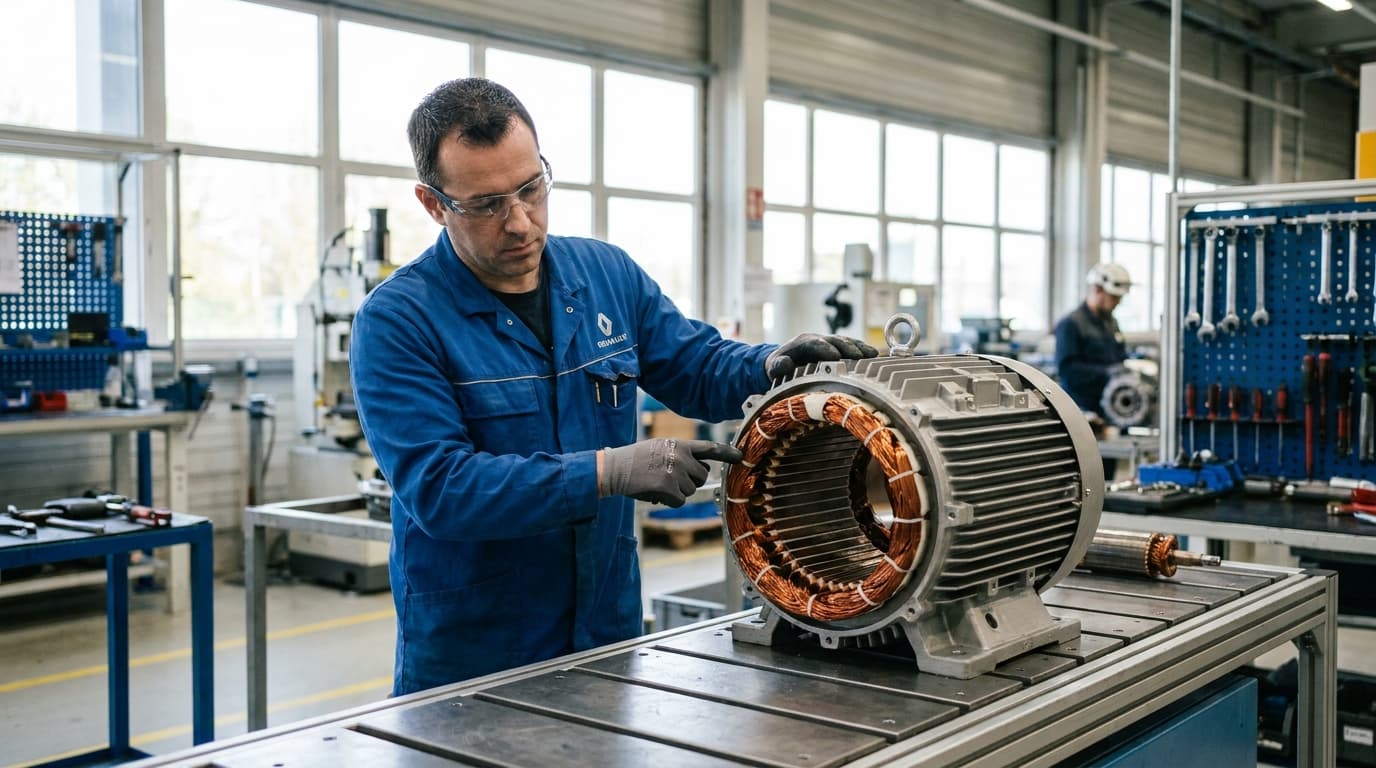
TL;DR: Renault is now mass-producing a new electric motor that contains no rare earth elements. This move helps the automaker avoid volatile supply chains, reduce environmental impact, and lower its exposure to geopolitical risks tied to critical materials.
Key facts
- Category
- Tech Updates
- Impact
- High
- Published
- Source
- Hacker News
Full summary
Renault is now mass-producing a new electric motor that contains zero rare earth elements, a key move to de-risk its supply chain.
French automaker Renault has begun mass production of a new electric motor that completely avoids the use of rare earth elements. The company developed a proprietary wound-rotor synchronous motor, which replaces the permanent magnets found in most common EV motors with copper windings. This design choice eliminates the need for materials like neodymium and dysprosium. Renault states that this technology, which has been in development for over a decade, not only makes manufacturing more sustainable but also improves motor efficiency and power output. The new rare earth-free motors are already being used in the company's Megane E-Tech and Scenic E-Tech electric vehicles, with plans to include them in the upcoming Renault 5 model.
This engineering shift is a significant strategic move for any business leader watching the tech manufacturing space. The majority of the world's rare earth elements are processed in China, creating a critical supply chain dependency that exposes companies to price volatility and geopolitical tensions. By designing these materials out of a core component, Renault gains greater control over its production costs and insulates itself from potential supply disruptions. This approach serves as a powerful example of how engineering can directly address business risk, a crucial lesson for founders and CTOs building hardware or managing complex global supply chains. It highlights a growing trend towards designing for resilience and technological sovereignty.
Renault's initiative is part of a broader industry push to reduce reliance on these critical minerals. Other major automakers, including BMW and Tesla, are also actively developing and deploying motors that use fewer or no rare earth magnets. This collective effort signals a fundamental change in EV powertrain design, driven by the dual pressures of environmental sustainability and supply chain security. As the electric vehicle market continues to expand, innovations that secure the supply of essential components will become a key competitive advantage, paving the way for more stable and predictable manufacturing at scale.
Related on Notifire
Related stories
Primary source: Hacker News