SAP's Biggest Customers Are Demanding More Control
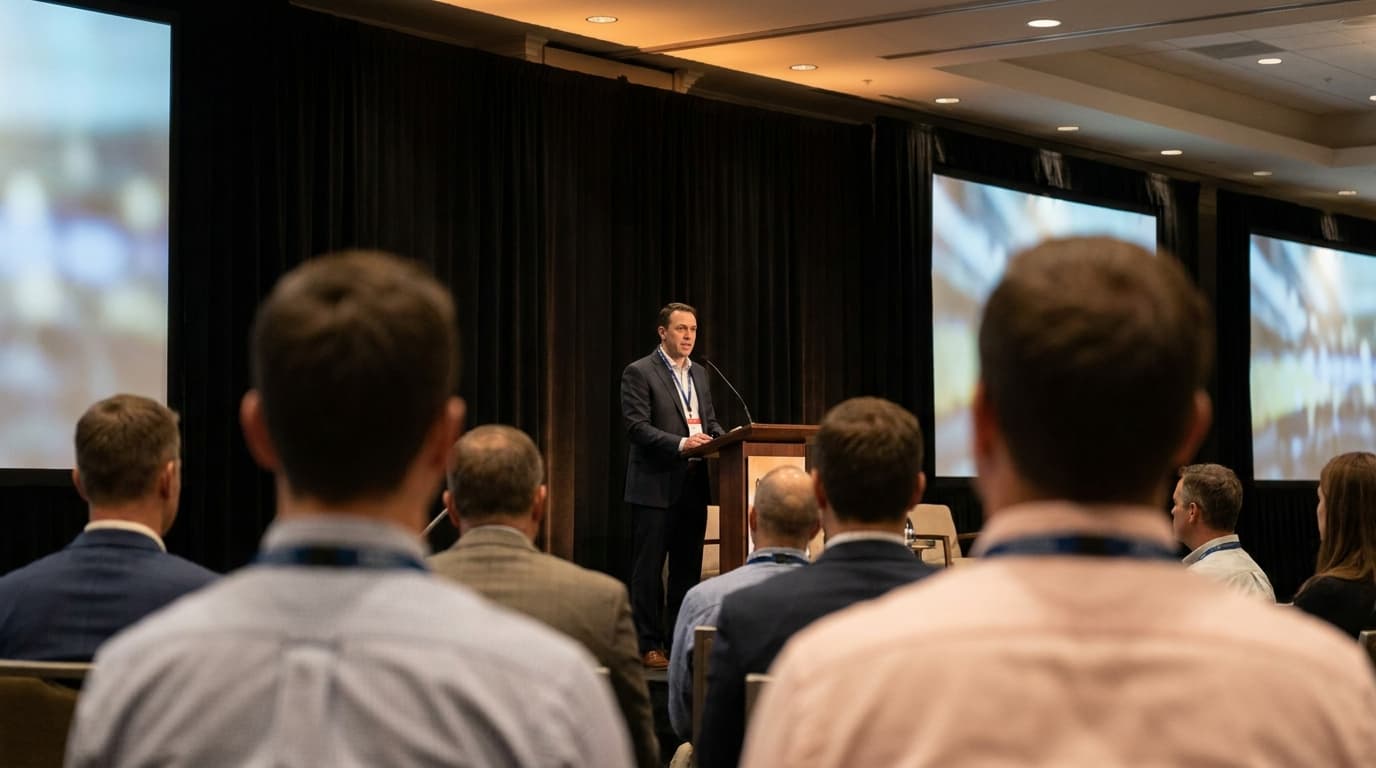
TL;DR: A major SAP user group is publicly demanding more control over their software and data. This signals growing frustration among large enterprises about vendor lock-in and forced cloud migrations, potentially impacting future IT strategies.
Key facts
- Category
- Tech Updates
- Impact
- High
- Published
- Source
- CIO.com
Full summary
A major SAP user group is publicly pushing back, demanding more control over their software and data amid frustrations with vendor lock-in.
A major group of SAP customers is publicly demanding more control over its technology future, signaling a significant rift between the software giant and its user base. According to reporting from CIO.com, the German-speaking SAP User Group (DSAG), which represents thousands of companies, used its annual congress to send a clear message under the motto “Claim your ground, lead your business.” The group expressed deep concern that SAP's aggressive push towards its cloud-based S/4HANA platform is becoming disconnected from the practical realities its customers face. This public declaration is more than just routine feedback; it represents a collective frustration from a core segment of SAP's market. The users are asking SAP to align its roadmap with their actual needs, rather than dictating a single, cloud-centric path forward that may not suit every business.
The heart of the conflict lies in SAP's strategy for its flagship Enterprise Resource Planning (ERP) software. The company has been strongly encouraging customers to migrate from their stable, highly customized on-premise systems to the newer S/4HANA platform, which is primarily designed for the cloud. This is not a simple upgrade but a complex and costly reimplementation project. The user group's demand for “control” touches on several specific pain points. Customers want flexibility in their migration timelines, resisting pressure from deadlines on mainstream support for older systems. They also seek genuine choice in deployment models, including viable hybrid and on-premise options, without feeling penalized financially or functionally. There are also deep concerns about data sovereignty and managing the custom code and integrations that are critical to their operations but may not fit neatly into a standardized cloud environment.
This tension is not unique to the SAP ecosystem; it reflects a much broader trend across the enterprise software industry. For the past decade, major vendors like Oracle and Microsoft have aggressively shifted their business models from selling perpetual software licenses to cloud-based subscriptions. This move provides vendors with more predictable revenue and greater control over the product lifecycle. For customers, however, it can feel like a loss of ownership and an introduction to a new level of vendor lock-in. Large enterprises that have spent decades and millions of dollars building their core systems now find themselves being pushed to cede control over their infrastructure, data, and upgrade cycles. The pushback from DSAG is a prominent example of customers reasserting their needs and questioning whether the “all-in-on-cloud” narrative serves their best interests or primarily benefits the software provider.
For CTOs, CIOs, and IT leaders, this public statement is both a validation and a call to action. It confirms that widespread concerns about vendor lock-in, migration costs, and strategic inflexibility are legitimate and shared across the industry. This collective sentiment provides leverage. Companies currently negotiating with SAP or planning their ERP roadmap can use this moment to push for more favorable terms, clearer commitments on long-term support, and more flexible hybrid cloud options. The key question now is how SAP will respond. A dismissive stance could alienate its core customer base, while a more collaborative approach could strengthen loyalty. IT decision-makers should closely monitor SAP's official communications and policy changes, as its reaction will set a significant precedent for the future of enterprise software relationships.
Why it matters
This pushback from a key user group highlights the deep technical challenges and risks of forced cloud migrations for large-scale ERP systems. For engineers and IT leaders, it underscores the growing tension between vendor-prescribed roadmaps and the practical need for control over custom integrations, data sovereignty, and architectural flexibility.
Business impact
The sentiment from SAP's user base signals a significant business risk for companies heavily invested in the ecosystem. A forced or rushed migration to the cloud can lead to budget overruns, operational disruption, and a loss of strategic agility. This movement could pressure SAP to offer more flexible, cost-effective paths forward.
Tags
Related on Notifire
Related stories
Primary source: CIO.com