Sardinia Fights Renewable Energy Transition
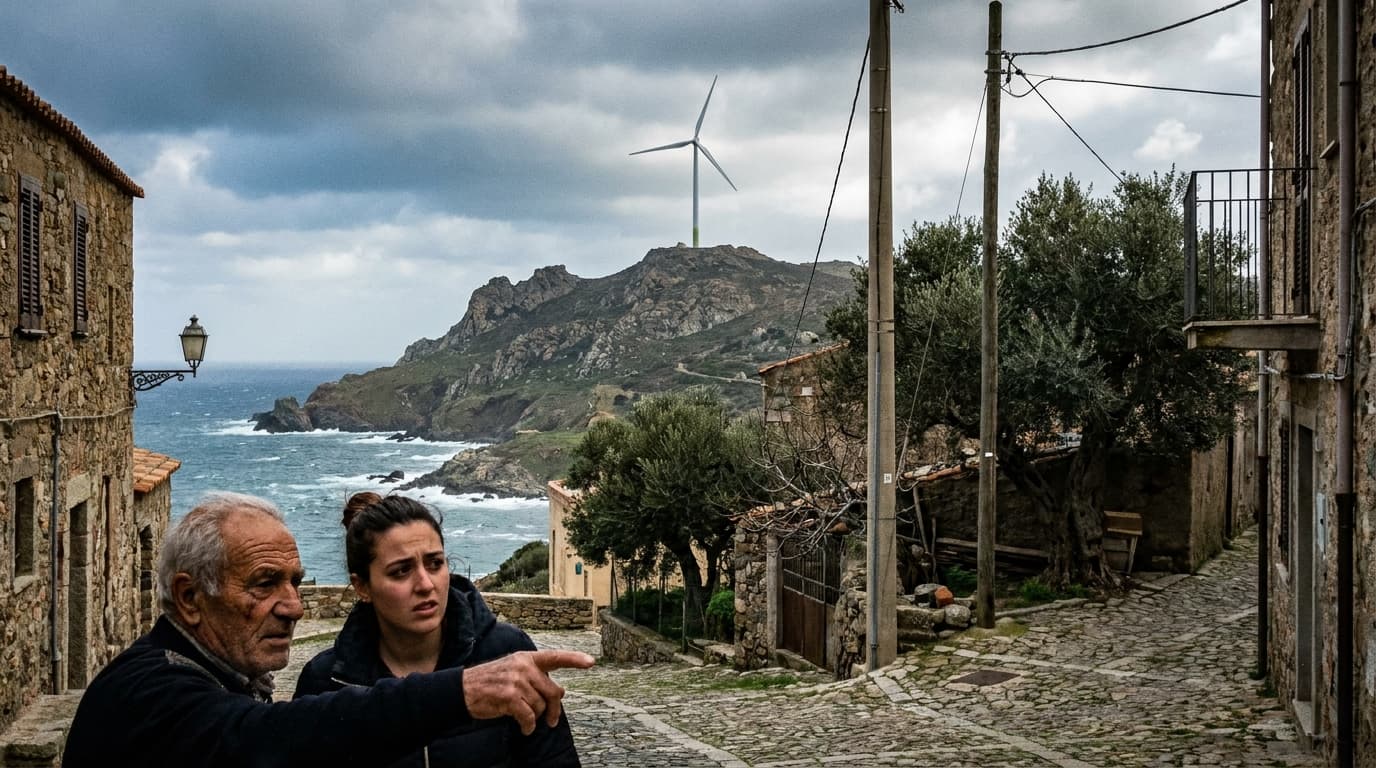
TL;DR: Residents in Sardinia are increasingly opposing the development of large-scale renewable energy projects. This "not in my backyard" sentiment reflects a global challenge where communities, while supporting green energy in principle, resist local installations, impacting the broader energy transition and infrastructure development.
Key facts
- Category
- Tech Updates
- Impact
- Low
- Published
- Source
- IEEE Spectrum
Full summary
Local opposition to renewable energy projects is growing in Sardinia, highlighting a global challenge for the green energy transition and large-scale infrastructure.
In Sardinia, a significant local movement is pushing back against the development of large-scale renewable energy projects. This opposition is a powerful example of the "not in my backyard" (NIMBY) phenomenon, where communities support the general idea of a project—in this case, transitioning from fossil fuels—but resist its implementation in their immediate vicinity. The resistance isn't necessarily against green energy itself, but rather the scale and location of proposed wind farms and solar installations. Residents often raise concerns about the impact on the landscape, local economy, and tourism, which are central to the island's identity. This local sentiment is creating a major roadblock for energy developers and government plans aimed at increasing renewable capacity.
This situation matters for tech leaders and businesses because it underscores the non-technical risks inherent in major infrastructure projects. The push for green energy is directly linked to the sustainability goals of many companies, especially those running power-intensive operations like data centers. Resistance in places like Sardinia can lead to significant project delays, increased costs, and regulatory uncertainty, affecting the stability and price of future green energy supplies. It serves as a critical reminder that community acceptance and local political dynamics are as crucial to project success as engineering and finance. Ignoring these social factors can derail even the most well-funded and technologically sound initiatives.
Why it matters
The resistance in Sardinia exemplifies a global challenge: balancing national energy goals with local community interests. It shows that even widely supported technological transitions face significant social and political hurdles that can't be ignored.
Business impact
For businesses reliant on green energy for sustainability targets or operations (like data centers), this type of local opposition creates investment risk, project delays, and potential increases in energy costs, complicating long-term strategic planning.
Tags
Related on Notifire
Related stories
Primary source: IEEE Spectrum