Top PC Makers Test a New Chinese Chipmaker
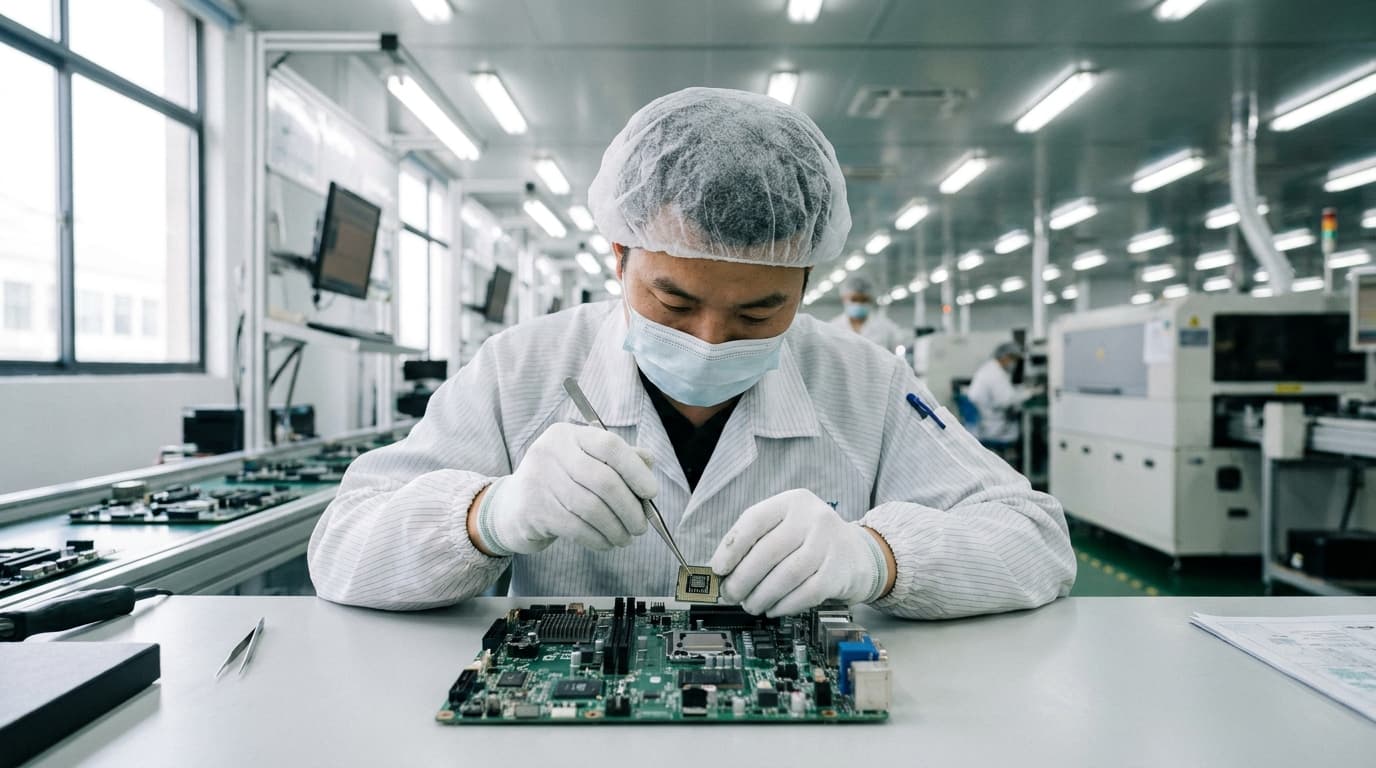
TL;DR: Major PC makers like HP and Asus are now using memory chips from Chinese supplier CXMT. This move diversifies their supply chain away from the few dominant players, signaling a potential shift in the global semiconductor market.
Key facts
- Category
- Tech Updates
- Impact
- High
- Published
- Source
- TechRadar
Full summary
Top PC makers are quietly adding a new Chinese memory chip supplier to their laptops, hedging against a fragile global supply chain.
According to a report from TechRadar, major PC manufacturers including HP, Asus, and Acer have begun using DRAM memory chips from China's ChangXin Memory Technologies (CXMT). The chips are being incorporated in small volumes into a select number of notebook models sold outside of the United States. This development is a significant crack in the armor of the global memory market, which has been overwhelmingly dominated by just three companies for years: Samsung, SK Hynix, and Micron. Together, these incumbents control over 90% of the market, giving them immense pricing power and influence. The decision by top-tier PC brands to qualify and ship products with components from a new, state-backed Chinese entrant marks a cautious but critical step toward diversifying a highly concentrated and geopolitically sensitive supply chain.
DRAM, or Dynamic Random-Access Memory, is the high-speed volatile memory that every modern computer uses to hold data for active applications. It is a foundational component, and its manufacturing is one of the most complex and capital-intensive processes in the technology industry. This high barrier to entry is why so few players have succeeded at scale. CXMT is the result of a concerted, state-backed effort by China to build its own domestic semiconductor industry and reduce its reliance on foreign technology. For CXMT chips to be “qualified” by companies like HP and Asus means they have passed rigorous testing for performance, reliability, and compatibility. This validation is a major milestone for the Chinese chipmaker, proving its technology is mature enough for products from the world's leading PC brands.
For CTOs, founders, and IT leaders, this story highlights a crucial shift in hardware sourcing strategy. The primary driver here is not cost—the report indicates CXMT chips are not currently cheaper—but resilience. The past few years have painfully demonstrated the risks of relying on a handful of suppliers located in a few specific geographic regions. A fire, a drought, or a political dispute can disrupt the entire global supply of a critical component. By validating a new supplier, PC makers are building optionality into their supply chains. This means that the laptops and desktops your company procures in the coming years may contain a more diverse, but also more geopolitically complex, set of internal components. This requires a new layer of risk assessment in procurement and a greater awareness of the global semiconductor landscape.
The business impact extends across the entire semiconductor industry. The move by HP and Asus is a delicate balancing act. The report notes that they are proceeding cautiously, using small volumes to avoid provoking a reaction from the dominant memory suppliers. These incumbents could potentially use their market power to retaliate, such as by offering less favorable pricing or allocation to customers who work with new competitors. However, this is the first real test of the incumbents' market control. If CXMT can continue to improve its technology, scale its production, and prove its reliability, it could introduce a new level of competition. In the long term, this could lead to more stable supply and potentially more competitive pricing for everyone. The key takeaway for any business leader is to re-examine single-source dependencies in their own operations, as diversification is now a board-level strategic imperative.
Looking ahead, the key factor to watch will be the reaction of Samsung, SK Hynix, and Micron. Their response will determine how quickly other manufacturers are willing to adopt CXMT components. Another critical element is potential regulatory scrutiny, particularly from the United States, which has actively sought to limit the growth of China's advanced semiconductor sector. While these initial products are for markets outside the U.S., any expansion could attract political attention. Finally, CXMT's own execution will be paramount. It must demonstrate it can consistently deliver high-quality products at a massive scale to truly challenge the established order. This small trial is either a minor experiment or the beginning of a significant realignment of the global technology supply chain.
Why it matters
This is a major signal that supply chain diversification is now a top priority for hardware giants, even over cost savings. For CTOs and IT leaders, it means the components in company devices will come from a more complex and geopolitically sensitive supplier base.
Business impact
The entry of a viable Chinese competitor into major OEM supply chains could eventually disrupt the long-standing oligopoly held by Samsung, SK Hynix, and Micron. While PC makers are moving cautiously to avoid retaliation, this is the first step toward a more competitive and potentially more stable global memory market.
Tags
Related on Notifire
Related stories
Primary source: TechRadar