Serious Cracks on Space Station Prompt Emergency Action
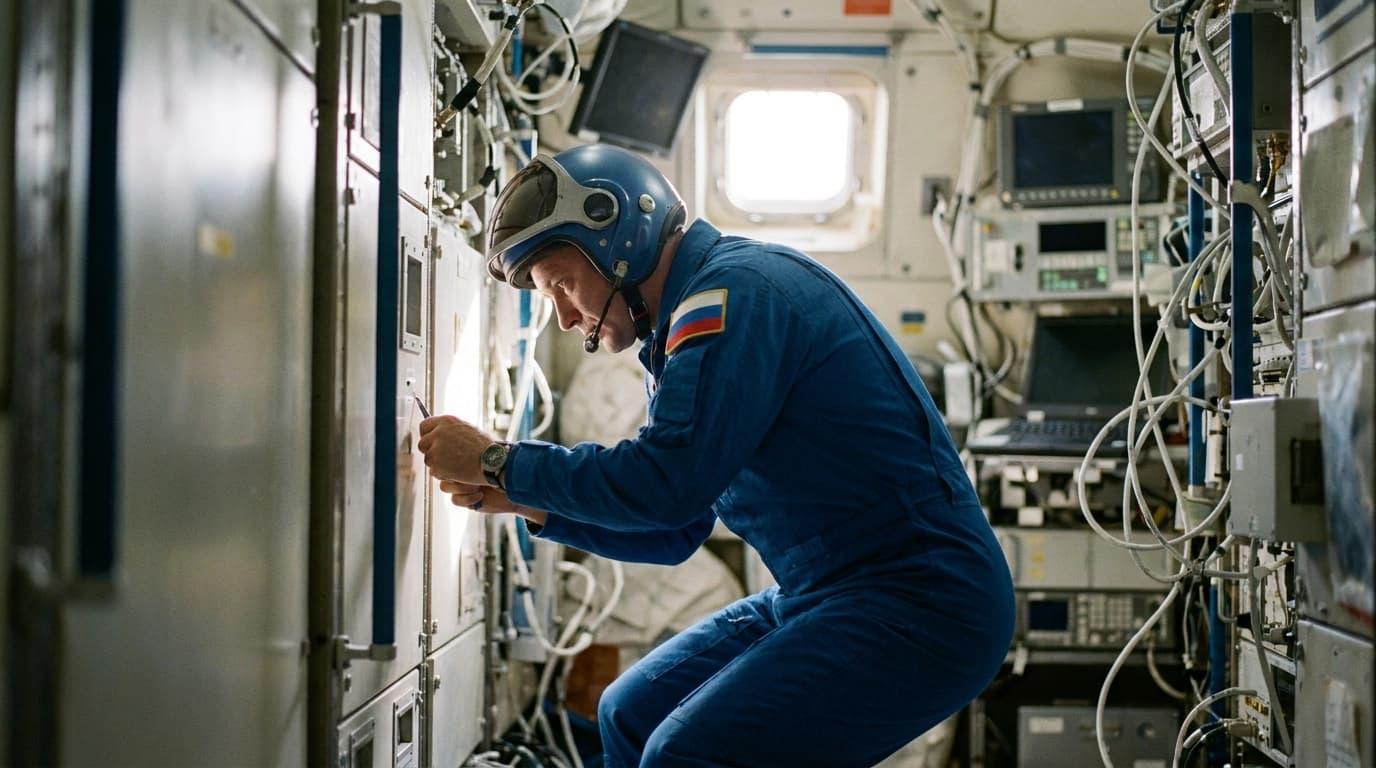
TL;DR: Astronauts recently took emergency shelter on the International Space Station. The event highlights long-ignored, serious cracks in the station's Russian module, which officials may now be forced to finally address.
Key facts
- Category
- Tech Updates
- Impact
- Low
- Published
- Source
- Ars Technica
Full summary
Astronauts took emergency refuge due to serious, long-ignored cracks on the International Space Station, forcing a response from officials.
NASA recently ordered astronauts to take emergency shelter in a Crew Dragon spacecraft docked at the International Space Station. The dramatic move followed a potential threat linked to the station's aging Russian segment. While both NASA and Russia’s Roscosmos have remained publicly silent about the specifics of the event, inside sources report it has forced officials to confront a long-known issue: serious and persistent cracks in the Zvezda Service Module. This module, launched in 2000, is a critical component that provides living quarters and life support systems for the station. The cracks have been a source of concern for years, causing slow but steady air leaks that have previously been patched. The recent emergency suggests the problem may have escalated, posing a more immediate risk to the crew and the integrity of the orbiting laboratory.
This situation highlights the immense challenge of maintaining a complex, 25-year-old piece of infrastructure in the harsh environment of space. For years, the cracks have been treated as a manageable problem, but this incident shifts the risk from theoretical to immediate. It raises critical questions about the station's long-term viability and the operational readiness of its oldest components. The event also puts a spotlight on the strained partnership between the US and Russia, testing their ability to collaborate on urgent safety issues aboard their shared multi-billion dollar asset. The primary concern is ensuring the safety of the astronauts on board, but the incident also has significant implications for the future of international cooperation in space and the planned transition to commercial space stations.
Related on Notifire
Related stories
Primary source: Ars Technica