Giant Electric Plane Completes Flight on $5 of Power
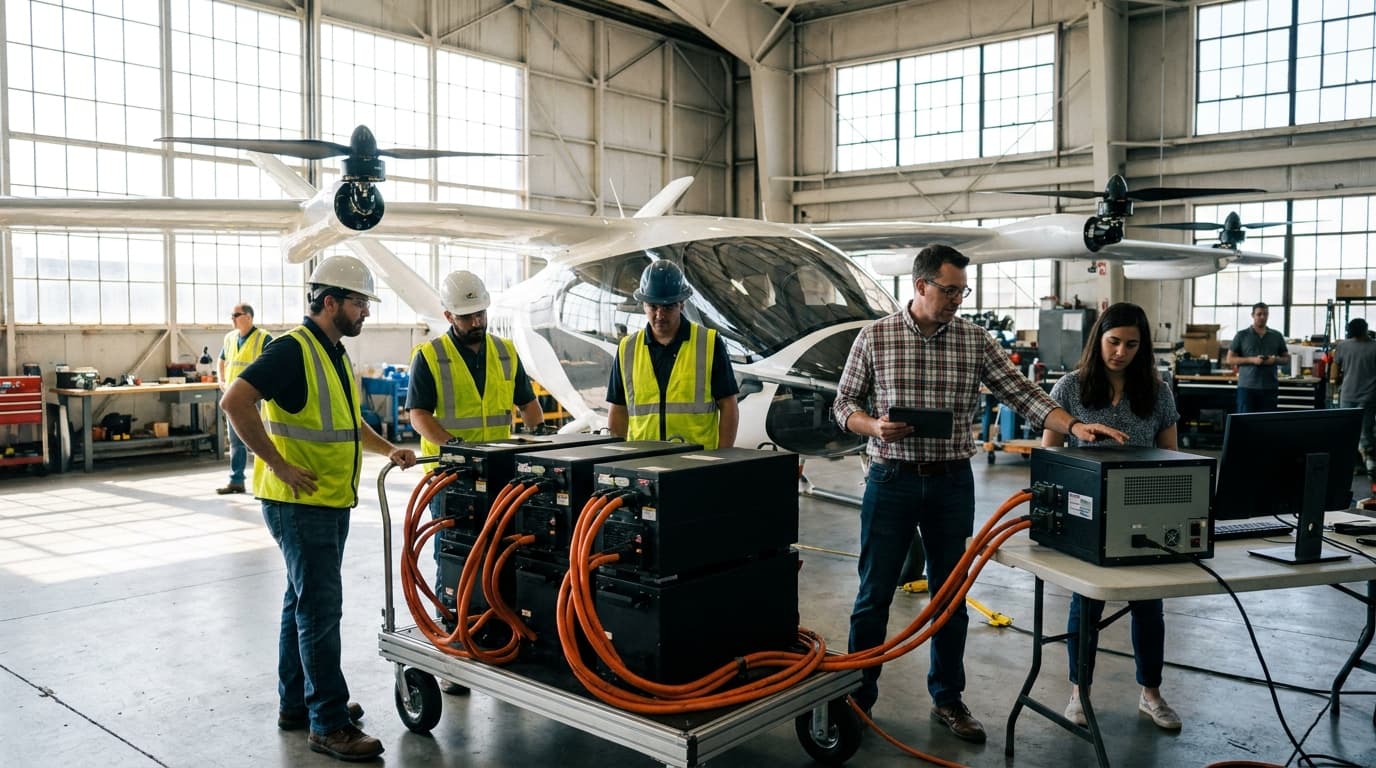
TL;DR: The world's largest battery-electric aircraft, a 106-foot demonstrator, just completed its first flight using only about $5 worth of electricity. This test flight is a key step toward building a 30-seat hybrid-electric regional airliner.
Key facts
- Category
- Tech Updates
- Impact
- Medium
- Published
- Source
- Slashdot
Full summary
The world's largest battery-electric aircraft just completed its maiden flight, using only about five dollars worth of electricity.
Heart Aerospace's X1, the world's largest all-electric aircraft, has successfully completed its first flight over New York. According to reports from Slashdot, the demonstrator aircraft, which features an impressive 106-foot wingspan, flew for 27 minutes. The most remarkable detail from this milestone flight was its efficiency; it consumed over a megawatt of power but cost only about five dollars in electricity. This flight is not just a standalone achievement but a critical proof of concept for the company's future ambitions. The X1 serves as a technology demonstrator for the ES-30, a 30-seat hybrid-electric regional airliner that Heart Aerospace aims to bring into commercial service by 2031. The successful test flight marks a significant moment for the entire electric aviation sector, showcasing tangible progress in a field long dominated by concepts and prototypes.
The core innovation behind the X1 lies in its advanced battery and powertrain system. While the source material does not detail the specific battery chemistry, successfully powering an aircraft of this scale requires an immense breakthrough in energy density—the amount of energy stored per unit of weight. This has historically been the primary barrier for electric aviation, as traditional lithium-ion batteries are far heavier than jet fuel for the equivalent energy output. The X1’s ability to draw over a megawatt of power continuously for nearly half an hour demonstrates a sophisticated power management and thermal control system. Overheating is a major risk in high-discharge battery systems, and managing this in an airborne vehicle is a complex engineering challenge. It is also telling that the commercial target, the ES-30, is a hybrid-electric model. This indicates a pragmatic acknowledgment of current technology limits. The demonstrator proves the electric powertrain works, while the future hybrid design will likely use a supplemental power source to extend range and provide redundancy, a necessary step for commercial viability and regulatory approval.
This milestone matters deeply to founders and technology leaders, even those outside of aviation. It serves as a powerful signal that the electrification of heavy transport is moving from theory to reality. For CTOs and engineers, the success of the X1 validates the ongoing advancements in battery technology, high-power electric motors, and the complex software required to manage them. These are not niche aerospace technologies; they are foundational components that will unlock innovation in trucking, shipping, and industrial machinery. The flight provides a concrete data point on the operational cost savings, as the five-dollar electricity bill stands in stark contrast to the thousands of dollars in fuel a comparable fossil-fuel-powered flight would consume. This isn't just an environmental victory; it's a compelling economic argument that will accelerate investment and development in related deep-tech sectors. It encourages leaders to track progress in high-density power storage and consider its long-term implications for their own industries.
The business impact on the aviation industry could be transformative, particularly for the regional travel market. Short-haul flights are notoriously inefficient and costly for traditional airlines, but the radically lower operating and maintenance costs of electric aircraft could make many currently unprofitable routes viable. This could lead to a resurgence in regional air connectivity, connecting smaller communities more effectively. Heart Aerospace's success puts pressure on established giants like Boeing, Airbus, and Embraer to accelerate their own sustainability and electrification programs. It also opens the door for a new generation of aviation startups to challenge the status quo. For investors and business strategists, the key takeaway is that while the timeline for widespread adoption is long—with the ES-30 not expected until 2031—the technological and economic foundations for a new era of aviation are being laid now. The industry is on the cusp of a fundamental shift, driven by both regulatory pressure for sustainability and the powerful allure of lower operational costs.
Tags
Related on Notifire
Related stories
Primary source: Slashdot