The Code That Made Bits Behave
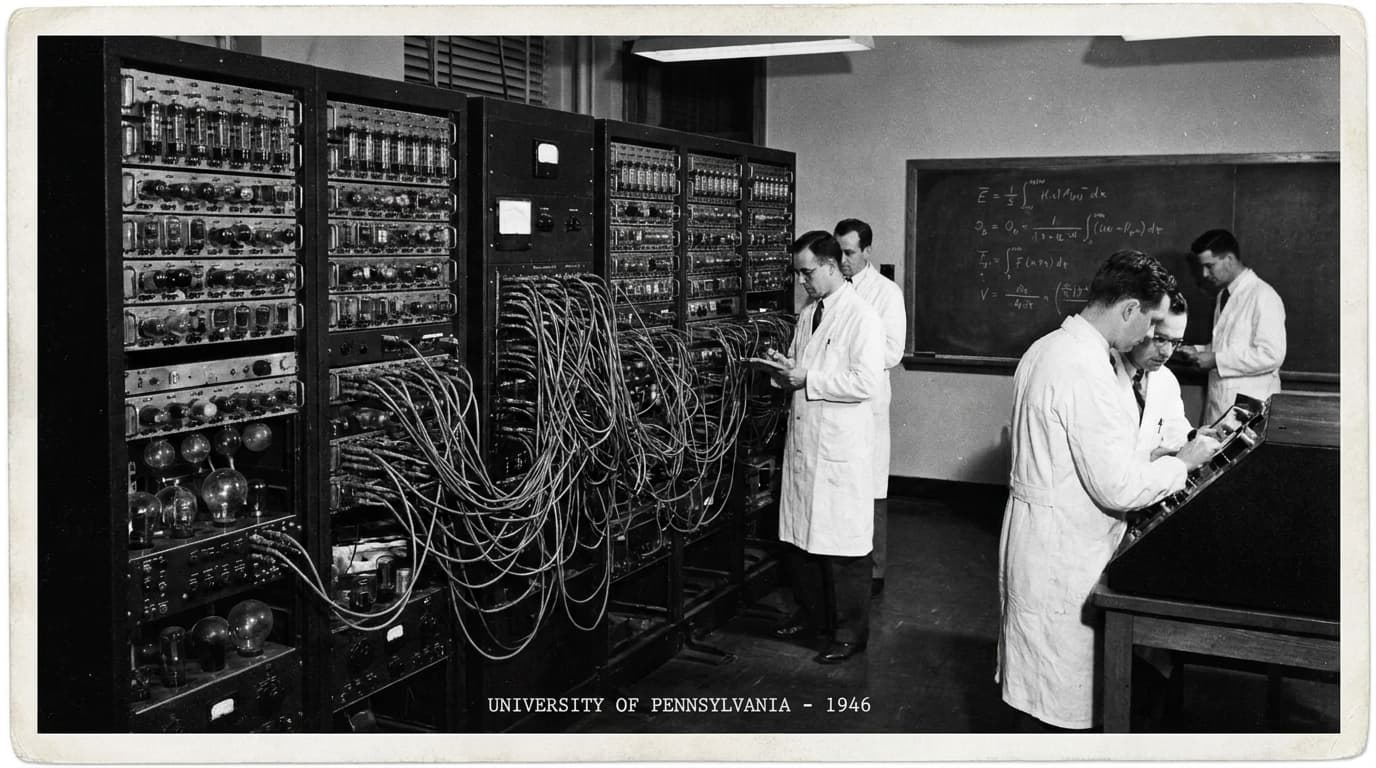
TL;DR: In the late 1940s, early digital computers faced a critical flaw: they couldn't reliably read the data they generated. A team at the University of Manchester created a solution, now known as Manchester code, which solved this fundamental problem and paved the way for reliable computing.
Key facts
- Category
- Tech Updates
- Impact
- Low
- Published
- Source
- IEEE Spectrum
Full summary
In the 1940s, early computers struggled with unreliable data. A team at the University of Manchester developed a fundamental solution that changed everything.
In the late 1940s, engineers at the University of Manchester faced a challenge that threatened the future of digital computing. Their early machines were producing inconsistent results, not because of a complex theoretical flaw, but because the hardware could not reliably read back the data it had just stored. This fundamental problem of data integrity meant that computations were unpredictable and untrustworthy. Led by engineers like Frederic C. Williams, the team recognized that without a way to ensure bits could be read back as they were written, the entire concept of a dependable computing machine was at risk.
The solution developed by the Manchester team became a foundational principle in digital communications and storage. By creating an encoding scheme that embedded timing and data into a single signal, they allowed the hardware to synchronize itself and read bits accurately, even with the unreliable components and noisy environments of the era. This method, now known as Manchester code, provided the stability necessary for early computers to function correctly. It established a baseline of reliability for data retrieval that remains a core concept in engineering, underpinning the dependable performance of the complex digital systems we use today.
Why it matters
Manchester code was a foundational innovation that solved a critical data reliability problem in early computing, making modern digital systems possible.
Business impact
The reliability introduced by Manchester code was essential for the commercial viability of computers, establishing the trust in data processing that businesses rely on today.
Tags
Related on Notifire
Related stories
Primary source: IEEE Spectrum