The Navy Built a Floating Command Center for Drones
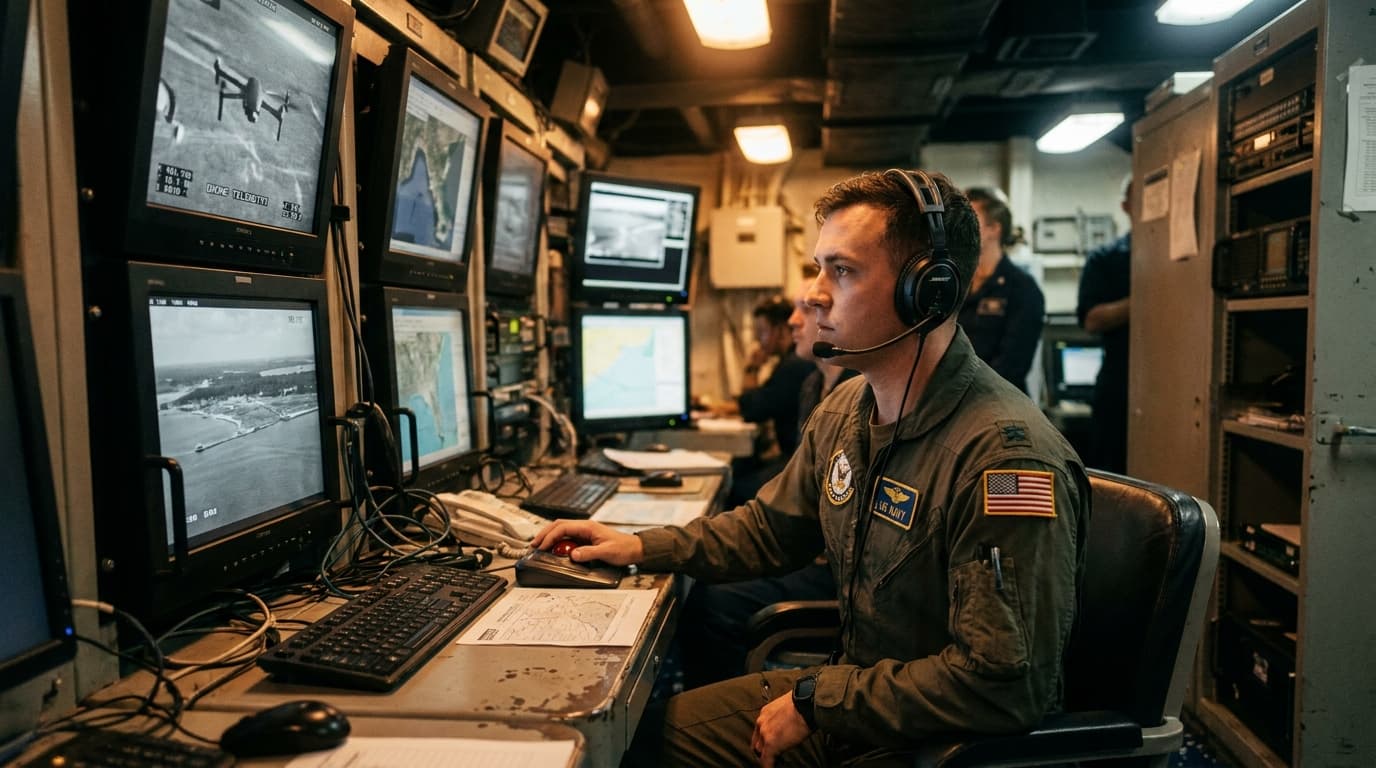
TL;DR: The US Navy has launched its first aircraft carrier, the USS Theodore Roosevelt, with a dedicated control center for unmanned aircraft. This marks a major step in integrating autonomous systems into complex, real-world operational environments.
Key facts
- Category
- Tech Updates
- Impact
- High
- Published
- Source
- TechRadar
Full summary
The US Navy's first aircraft carrier now has a dedicated command center for operating unmanned drones, a major step for autonomous systems.
The US Navy has officially equipped its first aircraft carrier with a dedicated command center for unmanned aerial systems, according to a report from TechRadar. The vessel, the USS Theodore Roosevelt, has completed a lengthy retrofitting process to install an Unmanned Aviation Warfare Center (UAWC). This new facility is designed specifically to operate the MQ-25 Stingray, an unmanned aerial refueling drone, making the carrier the first in the fleet prepared for such integrated operations. This milestone is the result of years of development aimed at building the complex infrastructure required to manage autonomous aircraft from the deck of a warship. The Navy plans to continue this expansion, with the USS Ronald Reagan slated to receive a similar upgrade by August 2026, signaling a strategic shift toward a hybrid fleet of manned and unmanned assets.
The installation of a UAWC is far more complex than simply adding a new room with control consoles. It represents the integration of a modern, distributed software and hardware system into the dense, decades-old infrastructure of a nuclear-powered aircraft carrier. This new command center serves as the central nervous system for drone operations, handling everything from mission planning and real-time telemetry analysis to secure, high-bandwidth data links. Unlike traditional remote piloting, the system is built for command-and-control (C2) at a fleet level, allowing operators to manage autonomous assets by assigning high-level objectives rather than micromanaging flight paths. The core technical challenge lies in ensuring this new digital layer can operate reliably and securely alongside the ship's existing legacy systems, all within a physically constrained and electronically noisy environment.
For technology leaders, this project serves as a powerful, large-scale case study in the real-world deployment of autonomous systems. It moves robotics from the lab to a high-stakes, operational environment, forcing solutions to problems that many commercial industries are only beginning to face. CTOs and engineering leads can draw parallels to challenges in managing fleets of autonomous vehicles, delivery drones, or industrial robots, particularly regarding the development of robust C2 platforms. For security professionals, this initiative highlights the immense and evolving attack surface of autonomous systems. Securing the drone itself, the command link, and the control center from cyber threats is paramount, as a compromise could lead to the loss of a valuable physical asset or its use in a malicious manner, a risk that far exceeds a typical data breach.
The primary business takeaway is that successful automation is not just about the robot; it is about the entire ecosystem that supports it. The Navy's investment underscores that the true cost and complexity of deploying autonomy lie in the command, control, and security infrastructure. This development helps validate the growing commercial market for C2 software, secure communications hardware, and specialized platforms for managing robotic fleets. Companies in sectors like logistics, agriculture, and energy can see a clear precedent for investing in a centralized, secure operational backbone before scaling their own autonomous fleets. The practical lesson is to architect the control system as a core product, not as an afterthought to the autonomous vehicle itself, as this is what enables scalability, security, and reliable operation.
Looking ahead, the focus will shift from integration to operation, as the Navy begins to gather immense amounts of performance data from the USS Theodore Roosevelt. These early deployments will be crucial for refining tactics, identifying unforeseen security vulnerabilities, and improving the human-machine interface for managing complex autonomous missions. The lessons learned will not only shape the future of naval aviation but will also inevitably influence standards and best practices across the commercial robotics industry. The scheduled upgrade of a second carrier in 2026 confirms this is a long-term, strategic rollout, not a one-off experiment, ensuring that the development of these systems will continue to accelerate.
Why it matters
This is a major real-world test case for managing autonomous systems at scale. It offers lessons for CTOs and security teams on command-and-control infrastructure, secure remote operations, and the unique challenges of protecting physical robotic assets from cyber threats in high-stakes environments.
Business impact
The project validates the growing market for robust command-and-control systems for autonomous fleets. The technologies and operational principles pioneered by the Navy will influence commercial applications in logistics, agriculture, and infrastructure, highlighting that successful automation depends on the support system, not just the robot.
Tags
Related on Notifire
Related stories
Primary source: TechRadar