This Web Archive Rescues History From Old CDs
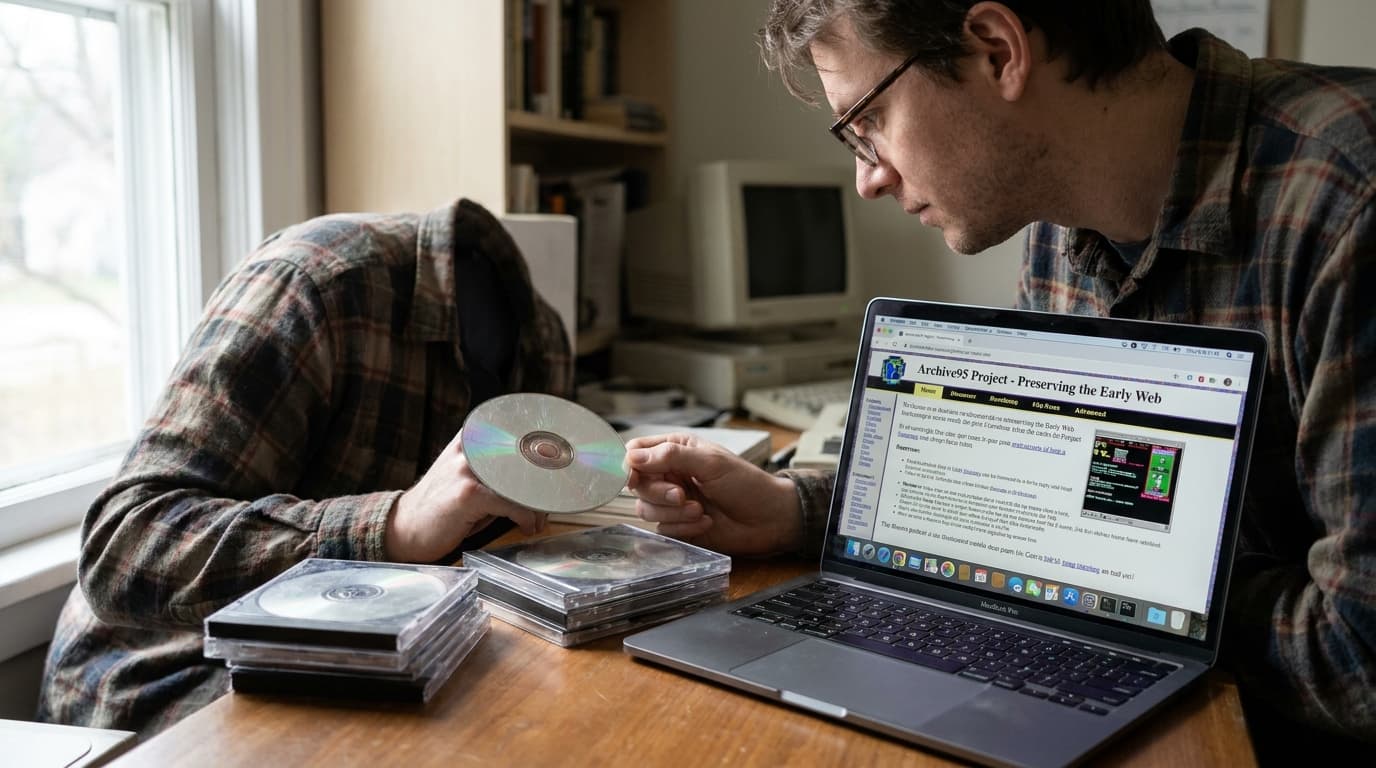
TL;DR: A new project called Archive95 is preserving the early web by restoring data from old CD-ROMs and browser caches. Unlike automated crawlers, this manual approach unearths lost digital history for developers and researchers.
Key facts
- Category
- Tech Updates
- Impact
- Medium
- Published
- Source
- Hacker News
Full summary
A new web archive is preserving the early internet by painstakingly restoring data found on old CD-ROMs and in browser caches.
A new independent project called Archive95 is working to preserve the early web, offering a unique glimpse into the internet's formative years. Creator Ian has single-handedly archived nearly 270,000 pages and files, creating a significant resource for developers and historians. According to a post on Hacker News, the project stands apart from massive archives like the Internet Archive's Wayback Machine. While the Wayback Machine relies on automated web crawlers to capture snapshots of live sites, Archive95 takes a more archaeological approach, sourcing its content from forgotten digital artifacts. This method allows it to unearth content that was never captured by crawlers, providing a different and often more intimate view of the web as it existed in the mid-1990s.
The core innovation of Archive95 lies in its unconventional data sourcing and restoration process. Instead of crawling the live web, the project's developer delves into what they describe as "obscure places" to find lost digital content. This includes sifting through old CD-ROMs, which often contained shovelware collections of websites, software, and multimedia files from the era. It also involves meticulously recovering data from old browser caches, which can hold fragments of pages a user visited long ago. This "painstakingly-restored" data requires significant effort, likely involving digital forensic techniques to extract files from obsolete formats, reconstruct web pages from disparate elements, and ensure that the recovered content renders correctly. This manual, curated approach is fundamentally different from the automated, large-scale indexing that powers other web archives.
In the broader landscape of digital preservation, Archive95 serves as a vital complement rather than a competitor to the dominant Internet Archive. The Wayback Machine is an indispensable tool for tracking the evolution of public-facing websites over time, but its crawler-based methodology has inherent limitations. It can miss content that was not widely linked, existed only for a short time, or was located on private servers. By sourcing material from offline media and user-specific caches, Archive95 fills in some of these historical gaps. It captures a snapshot of what people were actually downloading, installing, and viewing, not just what was publicly accessible to a bot. This trend of high-effort, individual-led archival projects highlights a growing recognition that a multi-pronged strategy is necessary to build a truly comprehensive record of our digital heritage.
For developers, designers, and researchers, Archive95 is more than just a novelty; it's a practical and valuable resource. The archive provides a rich dataset for studying early web design patterns, deprecated HTML tags, and the nascent stages of internet culture. The project also reportedly supports legacy browsers, meaning it can offer an authentic viewing experience for those wanting to understand how these sites originally looked and functioned. Looking ahead, the project's success may inspire other "digital archaeologists" to explore similar forgotten data sources, from old hard drives to floppy disks. The key thing to watch is how this and similar curated archives are integrated into larger research platforms, potentially enriching our collective understanding of the internet's foundational years and the digital artifacts it left behind.
Why it matters
For developers and web historians, Archive95 provides a unique dataset of the early web that automated crawlers missed. This alternative source material, recovered from physical media and caches, offers a more complete and authentic picture of early internet development, standards, and user experiences.
Business impact
Companies in digital preservation, research, and education gain a new, complementary resource for historical analysis. This project highlights the value of "digital archaeology," potentially creating a niche market for services that recover business-critical data from legacy systems and media long thought to be inaccessible.
Tags
Related on Notifire
Related stories
Primary source: Hacker News