Top Automakers Are Building a Shared Platform
TL;DR: Japan's three largest automakers—Toyota, Nissan, and Honda—are standardizing parts to cut costs. This move could create a unified platform for third-party developers but also introduces a larger, shared security risk for the entire ecosystem.
Key facts
- Category
- Tech Updates
- Impact
- High
- Published
- Source
- Slashdot
Full summary
Japan's top three automakers are standardizing parts, a move that could create a unified platform for developers and a shared security risk.
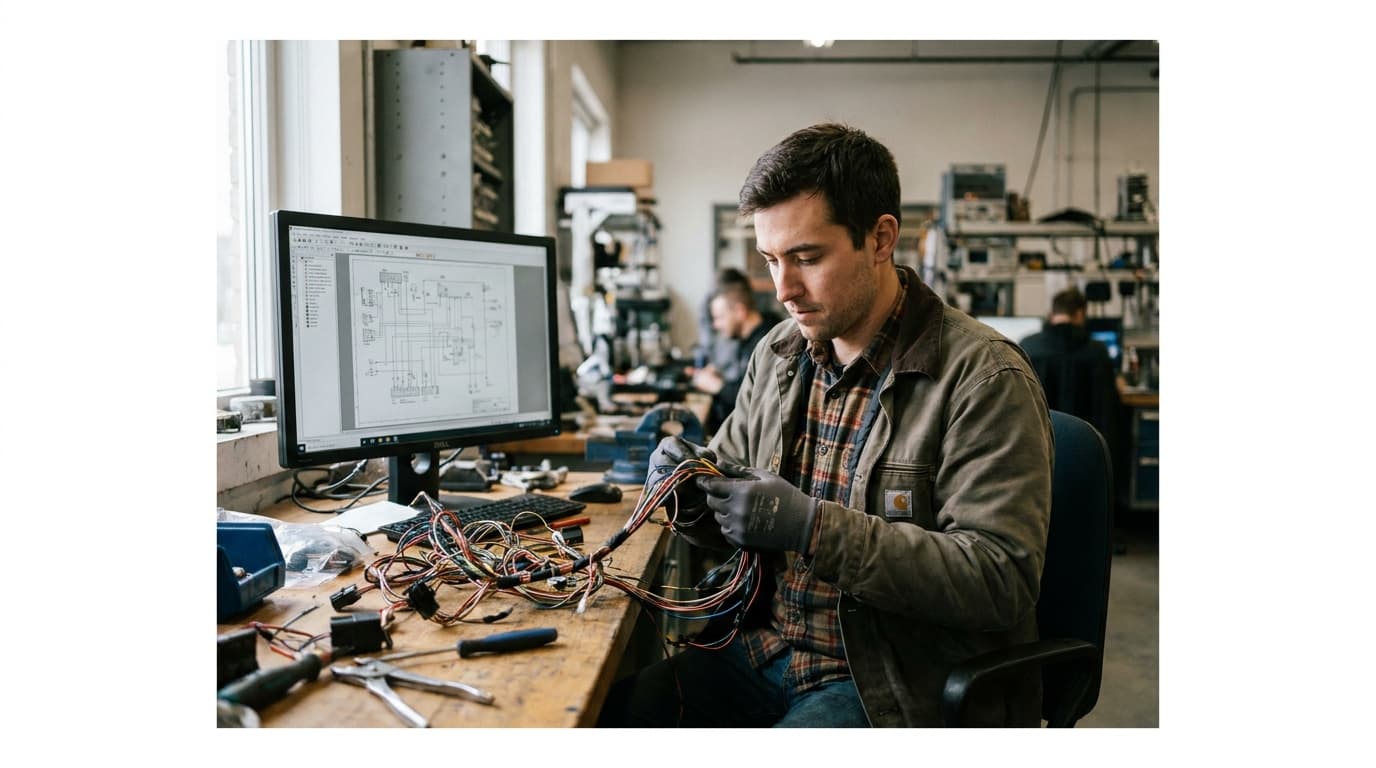
Japan’s three largest car manufacturers have agreed to a landmark collaboration that could reshape the automotive industry. According to a report from Automotive News, Toyota, Nissan, and Honda will begin standardizing vehicle components in a strategic effort to reduce development and manufacturing costs. This alliance of fierce competitors marks a significant shift in an industry historically defined by proprietary parts and siloed supply chains. The initial phase of this partnership will focus on foundational elements rather than complex electronics. The automakers plan to unify quality standards for steel, establish consistent protocols for plastics and resins, and implement a universal color-coding system for the complex wiring harnesses that run throughout a modern vehicle. While these first steps may seem minor, they represent the beginning of a much deeper integration that has profound implications for the future of vehicle technology.
The technical significance of this move extends far beyond simple cost-cutting. By creating a common language for basic materials and components, the automakers are laying the groundwork for a more modular and interoperable vehicle architecture. Standardizing wiring colors, for example, simplifies not only manufacturing but also diagnostics and repairs across different brands. Consistent protocols for plastics ensure that parts from various suppliers meet the same performance and safety criteria, streamlining procurement and reducing dependencies on single vendors. This initial focus on low-level components is a pragmatic approach. It allows the companies to build trust and refine their collaborative processes on less-critical systems before tackling the more complex and proprietary areas like engine components, electronic control units (ECUs), or battery technologies. This foundation of shared standards is the essential first step toward creating a common platform upon which more sophisticated systems can be built.
This trend toward standardization is not happening in a vacuum. It reflects a broader strategic realignment across the automotive world as traditional manufacturers contend with the rise of the “software-defined vehicle.” For decades, automakers differentiated themselves through mechanical engineering, but today, the battleground is shifting to software, connectivity, and user experience. In this new landscape, fragmented, proprietary ecosystems are a liability. They are expensive to maintain, slow to innovate, and create friction for developers. This move by the Japanese automakers can be seen as a defensive strategy against technology giants like Apple and Google, whose CarPlay and Android Automotive platforms are already creating a standardized software layer inside the car. By building their own shared hardware and component standards from the ground up, the automakers hope to retain control of the vehicle's core architecture and prevent their dashboards from becoming mere displays for Silicon Valley software.
For developers, security professionals, and technology leaders, this is the trend to watch. The immediate changes to steel and plastics are just the beginning. The long-term potential is the creation of a standardized hardware and software ecosystem spanning millions of vehicles per year. If this collaboration extends to infotainment systems, sensors, and ECUs, it could create a massive, unified market for third-party applications and services—a veritable app store for cars. This presents an enormous opportunity for developers who could write code once and deploy it across a vast fleet of Toyota, Nissan, and Honda vehicles. However, this uniformity also creates a much larger and more attractive attack surface for malicious actors. A single vulnerability in a shared component could potentially compromise millions of cars from three different brands simultaneously, making robust, collaborative security practices more critical than ever. The key question now is how far this alliance will go and whether it will expand to include the digital heart of the modern car.
Why it matters
For developers, this standardization could pave the way for a common infotainment and vehicle OS, creating a massive new market. For security teams, it means a single vulnerability could potentially affect millions of vehicles from different brands, raising the stakes for automotive cybersecurity.
Business impact
This collaboration aims to drastically lower manufacturing costs and streamline supply chains for the automakers. For the wider tech industry, it signals a potential multi-billion dollar opportunity in creating standardized software, hardware, and security solutions for a massive, unified automotive market.
Related on Notifire
Related stories
Primary source: Slashdot