Uber Eats Now Updates Its App Without The App Store
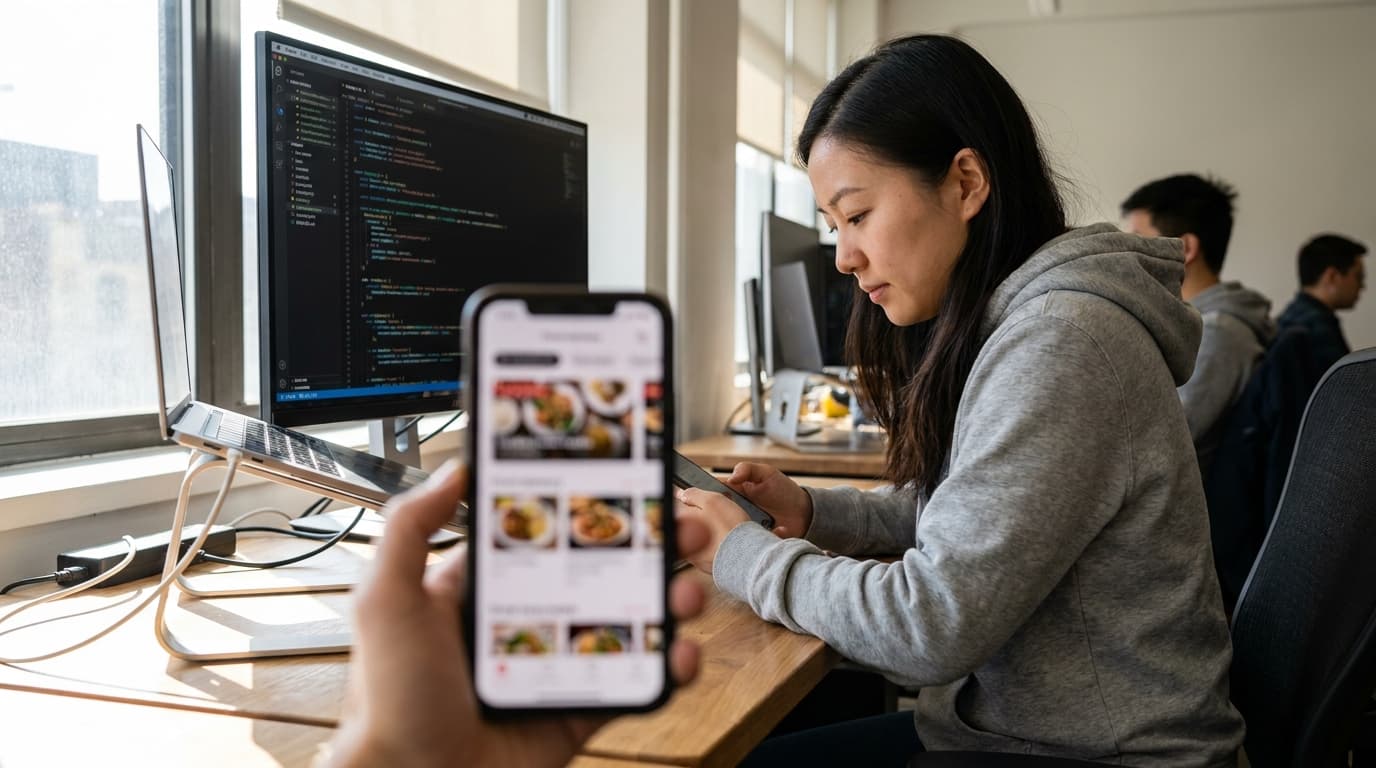
TL;DR: Uber Eats rebuilt its core user feeds using web technology inside its native app. This allows the company to ship updates and new features instantly, bypassing the slow and unpredictable mobile app store review process for every change.
Key facts
- Category
- Tech Updates
- Impact
- High
- Published
- Source
- InfoQ
Full summary
Uber Eats rebuilt parts of its native app with web technology, letting them bypass app store reviews to ship updates instantly.
Uber's engineering team has detailed a major architectural shift in its Uber Eats mobile app, as reported by InfoQ. The company migrated key user-facing screens, such as its restaurant and grocery feeds, from traditional native code to a hybrid model using WebViews. This means that core parts of the app are now essentially sophisticated web pages running inside the native application shell. According to a presentation by Uber engineer Nick DiStefano, this was a strategic decision to dramatically increase development speed and gain independence from the often lengthy and unpredictable review cycles of the Apple App Store and Google Play Store.
This system is more than just an embedded browser window. Uber developed what it calls a “native-driven, single-page WebView architecture.” The core of this is a custom-built communication layer, or “bridge,” that allows the web-based interface to interact seamlessly with the native parts of the app. Through this bridge, the web code can access native device features like GPS, use native payment components, or log data to native analytics systems. A key challenge was managing the application’s state, such as a user’s shopping cart or login status, consistently across both the web and native environments to prevent bugs and ensure a smooth user experience. The bridge was designed to be generic and reusable, paving the way for more screens to be migrated in the future.
This case study offers a valuable blueprint for any company managing a large-scale mobile application. The conflict between native performance and web development agility is a persistent challenge for engineering leaders. Fully native apps provide the best performance and deepest integration with the device, but every small update is subject to the app store approval process. Uber’s hybrid strategy aims to capture the best of both worlds: the app store presence and core performance of a native container, combined with the instant deployment capabilities of the web. For CTOs and developers, it demonstrates a practical way to accelerate feature delivery and iteration without undertaking a complete and risky rewrite of their entire application.
The business implications of this approach are significant. Bypassing app store release cycles allows Uber Eats to A/B test new features, deploy critical bug fixes, and respond to market changes in a matter of hours or days, rather than weeks. This agility provides a substantial competitive advantage in the fast-paced food delivery industry. It also enables a more unified development process, where web engineers can contribute directly to the mobile product, potentially reducing team silos and overall costs. While powerful, the strategy requires disciplined engineering to maintain performance and a “native feel,” as well as robust tooling for debugging in a complex hybrid environment. The success of this model at a company like Uber will likely encourage more organizations to adopt similar strategies, further blurring the lines between native and web development.
Why it matters
This provides a real-world blueprint from a major tech company on how to achieve web-like development speed for native mobile apps, a critical challenge for any business that relies on an app for growth.
Business impact
By bypassing app store reviews, companies can ship features and bug fixes in hours instead of weeks, creating a significant competitive advantage. This hybrid model also unifies development teams and can lower costs by leveraging web talent for mobile projects.
Tags
Related on Notifire
Related stories
Primary source: InfoQ