UK Wants to Turn Electric Cars Into Power Plants
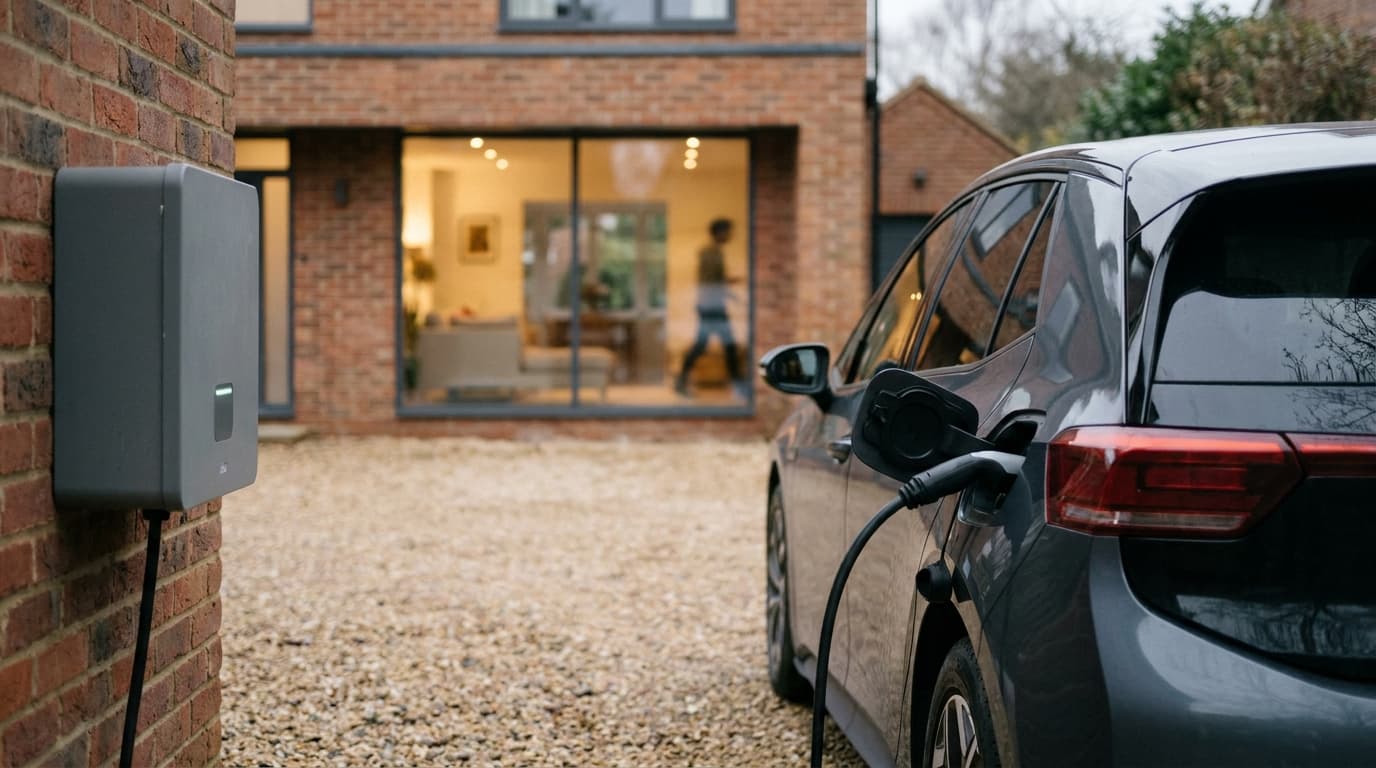
TL;DR: The UK government is considering incentives for carmakers to add vehicle-to-grid (V2G) tech to EVs. This could turn electric cars into a distributed energy network, creating new opportunities and infrastructure challenges.
Key facts
- Category
- Tech Updates
- Impact
- High
- Published
- Source
- TechRadar
Full summary
The UK is considering incentives for carmakers to add vehicle-to-grid tech, turning EVs into a distributed energy storage network.
The UK government is considering new incentives for automakers to build vehicle-to-grid (V2G) capabilities into their electric cars, according to a report from TechRadar. The proposal is part of a wider review of the country's zero-emission vehicle (ZEV) mandate, which sets targets for EV sales. Under the plan, manufacturers could earn extra credits for installing V2G technology, which allows an EV to not only draw power from the grid but also send it back. This move aims to leverage the growing number of EVs as a distributed energy resource to help balance supply and demand. However, the proposal has drawn criticism from some who worry that automakers could use these V2G credits to offset the production of more traditional, higher-emission vehicles, potentially weakening the overall environmental goals of the ZEV mandate.
Vehicle-to-grid technology transforms an electric car from a simple mode of transport into a mobile battery that can support the electrical grid. This requires more than a standard charger; it relies on a bidirectional charging unit that can manage a two-way flow of energy. When an EV is plugged in, sophisticated software communicates with the utility provider to make intelligent decisions. Based on real-time grid conditions, energy prices, and the owner's predefined needs (like ensuring the car is fully charged by morning), the system can either charge the vehicle's battery or discharge a portion of its stored energy back to the grid. During periods of high demand, such as on a hot summer evening, thousands of connected EVs could collectively act as a massive virtual power plant. This distributed network could provide instant power to stabilize the grid, reducing the reliance on expensive and less efficient fossil-fuel-based peaker plants.
This potential policy shift in the UK is part of a broader global trend where governments and energy companies are grappling with the immense challenge of integrating millions of EVs onto aging power grids. While mass EV adoption is crucial for decarbonization, the simultaneous charging of so many vehicles could create unprecedented strain and instability. V2G offers a solution by turning a potential problem into an asset. Countries like Japan and the Netherlands have already run successful V2G pilot programs, demonstrating the technical feasibility of the concept. The primary challenge now is scaling from small trials to a nationwide ecosystem. This requires establishing industry-wide standards for charging hardware, secure communication protocols, and a regulatory framework that fairly compensates EV owners for the use of their battery and the energy they provide, accounting for factors like battery degradation.
For founders, developers, and technology leaders, this development signals a significant market opportunity at the intersection of energy, automotive, and software. There will be a growing demand for V2G energy management platforms, smart bidirectional chargers, and user-friendly mobile apps that allow EV owners to control their participation and track their earnings. However, the opportunity comes with profound security responsibilities. For CTOs and security teams, the prospect of connecting a national fleet of vehicles to critical energy infrastructure creates a vast and complex new attack surface. A coordinated cyberattack that manipulates thousands of EVs to charge or discharge simultaneously could have catastrophic consequences for grid stability. Therefore, building robust, end-to-end security into every layer of the V2G system—from the vehicle's internal electronics to the central utility's control systems—is not just a best practice but an absolute necessity. The next steps to watch are the final policy details from the UK government and which automakers move first to integrate V2G as a standard feature.
Why it matters
This potential policy signals a major push for vehicle-to-grid integration, creating a new market for energy management software and IoT hardware. For developers and CTOs, it presents complex challenges in grid stability, data security, and creating reliable, scalable V2G platforms.
Business impact
Incentivizing V2G could unlock new revenue streams for automakers and energy tech startups. However, it also introduces significant cybersecurity risks by connecting thousands of vehicles to critical national infrastructure, demanding new security protocols and investment from businesses entering this space.
Tags
Related on Notifire
Related stories
Primary source: TechRadar