Waymo robotaxi batteries get second life
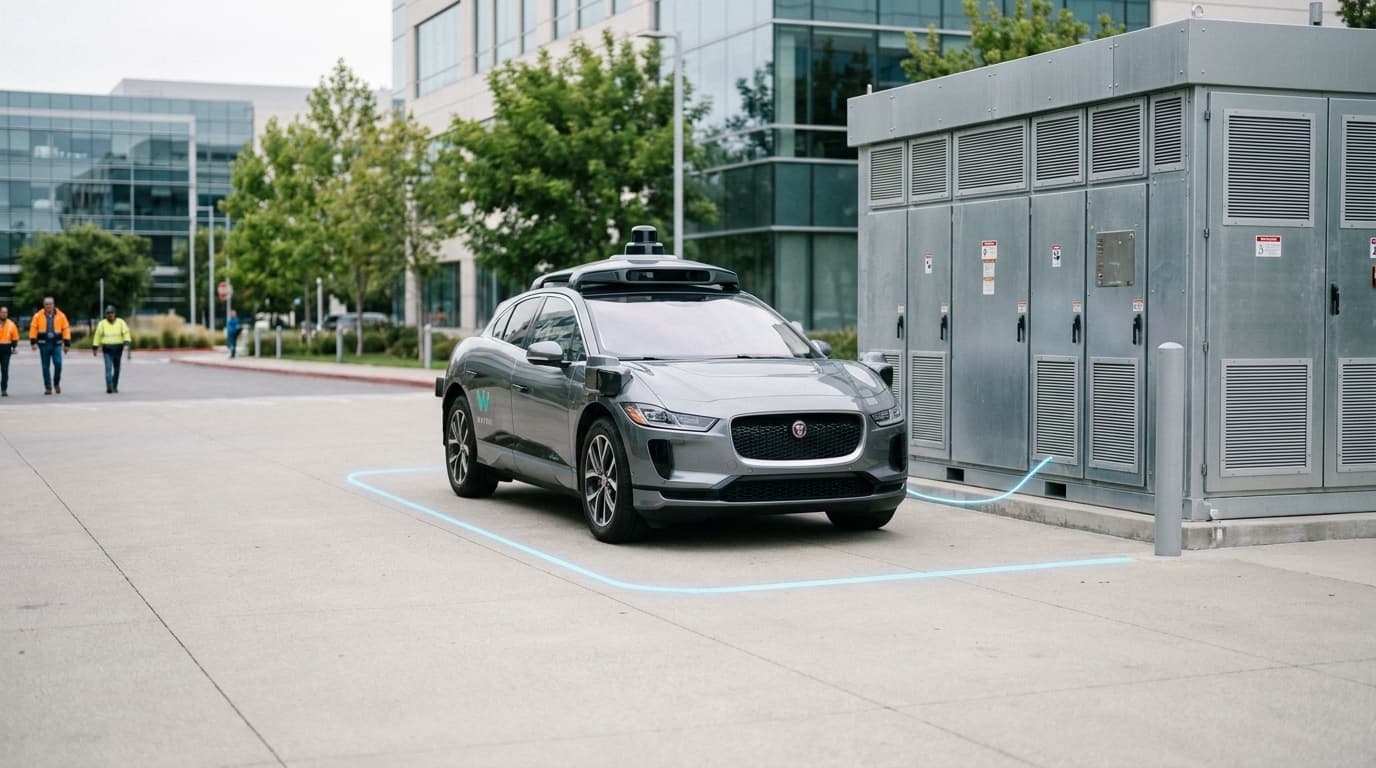
TL;DR: Waymo has announced a strategic supply agreement with B2U Storage Solutions. The deal will see used batteries from its autonomous robotaxi fleet repurposed for stationary energy storage, providing hundreds of megawatt-hours of backup power to local grids and creating a circular economy for its hardware.
Key facts
- Category
- Tech Updates
- Impact
- Medium
- Published
- Source
- Ars Technica
Full summary
Waymo is partnering with B2U to repurpose used electric vehicle batteries for stationary energy storage on local power grids.
Waymo announced a strategic supply agreement with B2U Storage Solutions to repurpose used batteries from its autonomous electric vehicle fleet. Under the deal, thousands of batteries that no longer meet the performance standards for robotaxis will be given a second life. Instead of being recycled immediately, they will be used to build stationary energy storage systems. These systems are designed to provide hundreds of megawatt-hours of power to local grids, acting as a backup and helping to stabilize energy supply. The partnership leverages B2U's expertise in repurposing used batteries, creating a new purpose for hardware at the end of its primary lifecycle in transportation.
This collaboration is significant for business and technology leaders as it provides a clear example of a circular economy in action. It addresses the critical challenge of managing end-of-life EV batteries, turning a potential liability into a valuable asset. For companies operating large fleets of electric vehicles or other battery-powered hardware, this model demonstrates a path toward greater sustainability and new revenue opportunities. The initiative highlights how assets from the automotive and tech sectors can be integrated into the energy infrastructure, supporting grid resilience and the broader adoption of renewable energy sources by providing reliable storage solutions.
The agreement between Waymo and B2U is part of a growing industry trend focused on creating sustainable lifecycles for technology assets. As the number of electric vehicles on the road increases, the availability of used batteries suitable for second-life applications will surge. This creates a substantial opportunity for innovation in energy storage. The partnership serves as a potential blueprint for other major fleet operators, showcasing how to manage hardware assets responsibly while contributing to a more stable and sustainable energy grid. It underscores the increasing convergence of transportation, technology, and energy sectors.
Why it matters
This partnership pioneers a scalable, circular economy model for EV batteries, turning a potential waste stream into a valuable asset for grid stability. It provides a blueprint for managing the lifecycle of technology hardware sustainably.
Business impact
Creates a new revenue stream for Waymo from depreciated assets and addresses a key environmental concern for EV fleets. For the energy sector, it offers a cost-effective source of batteries for grid-scale storage, enhancing reliability.
Tags
Related on Notifire
Related stories
Primary source: Ars Technica