Why Developers Are Reverse Engineering Classic Games
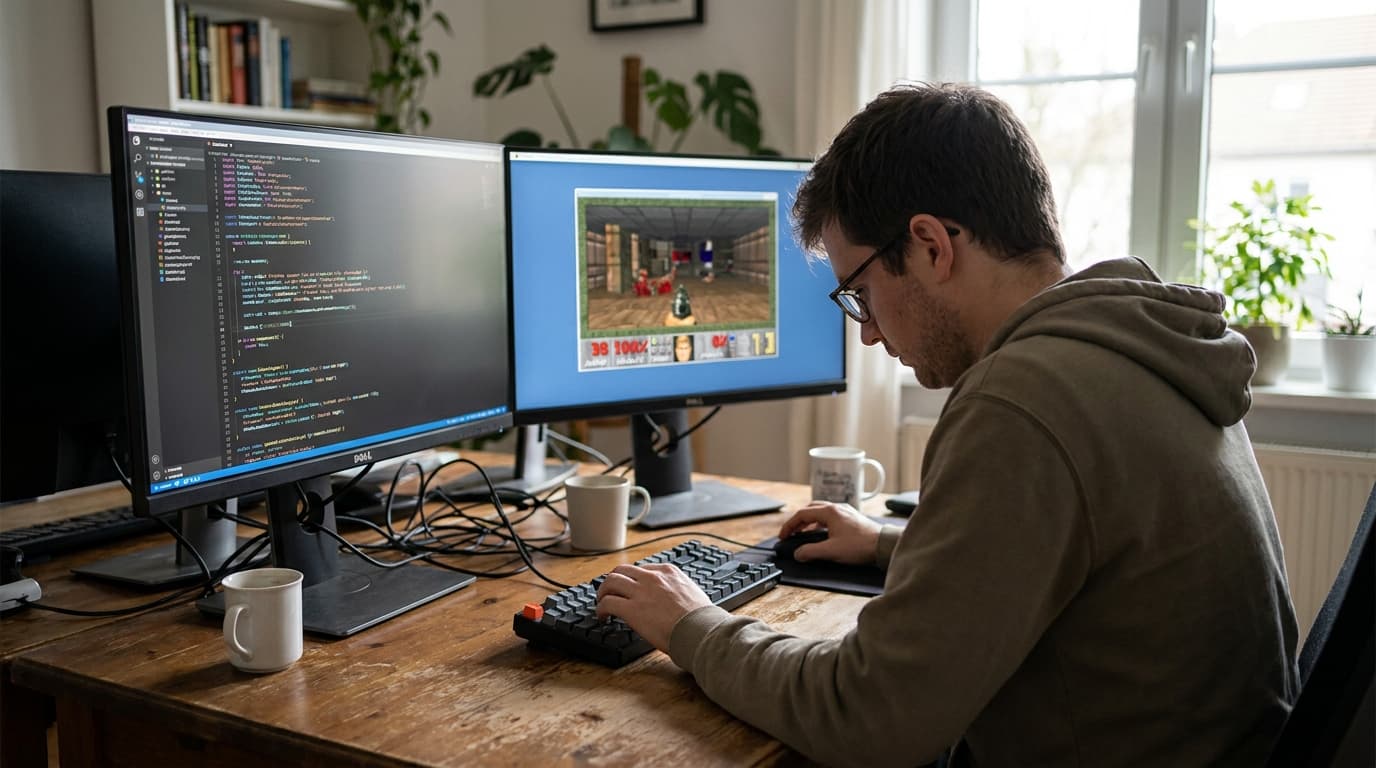
TL;DR: Developers are reverse-engineering classic video games, allowing them to run on new devices or get new features. This trend highlights the power of community-driven development but also creates significant intellectual property challenges for original creators.
Key facts
- Category
- Tech Updates
- Impact
- Medium
- Published
- Source
- The Verge
Full summary
Developers are reverse-engineering classic games, creating new versions for modern platforms and raising complex questions about intellectual property and code ownership.
A growing community of developers is breathing new life into classic video games by reverse-engineering their original code, according to a report from The Verge. This process, known as decompilation, allows enthusiasts to free games from their original hardware and proprietary constraints. The result is a wave of modern ports and creative modifications that were previously impossible. For example, projects have emerged that allow the original Halo to run directly in a web browser or enable players to skateboard within the world of Call of Duty. These efforts are not simple mods; they involve meticulously reconstructing the game's source code from scratch, creating a clean, modern foundation that can be compiled for new platforms like modern PCs, VR headsets, or even web browsers. This trend showcases a powerful intersection of nostalgia, technical skill, and community collaboration.
The technical process behind these projects is incredibly challenging and labor-intensive. Developers start with the final, compiled game executable—the machine code that computers directly understand. Using tools called disassemblers, they convert this binary into assembly language, a low-level but still human-readable representation of the instructions. From there, the real work begins. Engineers painstakingly analyze the assembly code, identifying patterns, functions, and data structures to manually rewrite them in a high-level language like C or C++. This is less an automated conversion and more a form of software archeology, requiring deep knowledge of the original hardware architecture. The ultimate goal for many of these projects is to achieve a "matching decompilation," where their newly written source code, when compiled, produces a binary file that is identical to the original game's executable.
This game decompilation movement fits into a broader trend of software preservation and community-driven development. For many older titles, the original source code has been lost by the publisher, making official remasters or ports impossible. In these cases, community-led reverse engineering is the only way to ensure the game remains playable on modern systems. These projects navigate a complex legal gray area. To mitigate copyright risks, they typically do not distribute any of the original game's creative assets, such as graphics, audio, or character models. Instead, users are required to provide these assets from a legally purchased copy of the game. The community provides only the new, reverse-engineered engine, arguing that the code they've written is original work, even though it functionally replicates the original.
The implications for technology leaders and developers extend far beyond gaming. For software engineers, these projects serve as a masterclass in low-level systems, debugging, and understanding how high-level code translates into machine instructions. For security teams, it’s a stark reminder that compiled code offers obscurity, not true security; any proprietary algorithm or embedded secret can eventually be uncovered with enough effort. For CTOs and business leaders, this trend highlights the long-tail value and risk associated with legacy software. It raises critical questions about intellectual property strategy: should a company actively fight these community efforts, attempt to work with them, or simply ignore them? It also underscores the strategic importance of maintaining and archiving source code for all valuable software assets, as their future potential may be unlocked by communities long after official support ends.
Why it matters
This trend demonstrates advanced reverse engineering techniques in action, turning proprietary, compiled code back into a human-readable format. For developers and security teams, it's a powerful case study in software archeology, code preservation, and the vulnerabilities of compiled binaries.
Business impact
Companies with valuable legacy software face a new IP risk as community projects can effectively replicate proprietary codebases. This creates a legal gray area, potentially devaluing old assets and forcing companies to decide whether to fight or embrace these fan-driven efforts.
Tags
Related on Notifire
Related stories
Primary source: The Verge