Your Apple TV May Soon Become an Always-On Hub
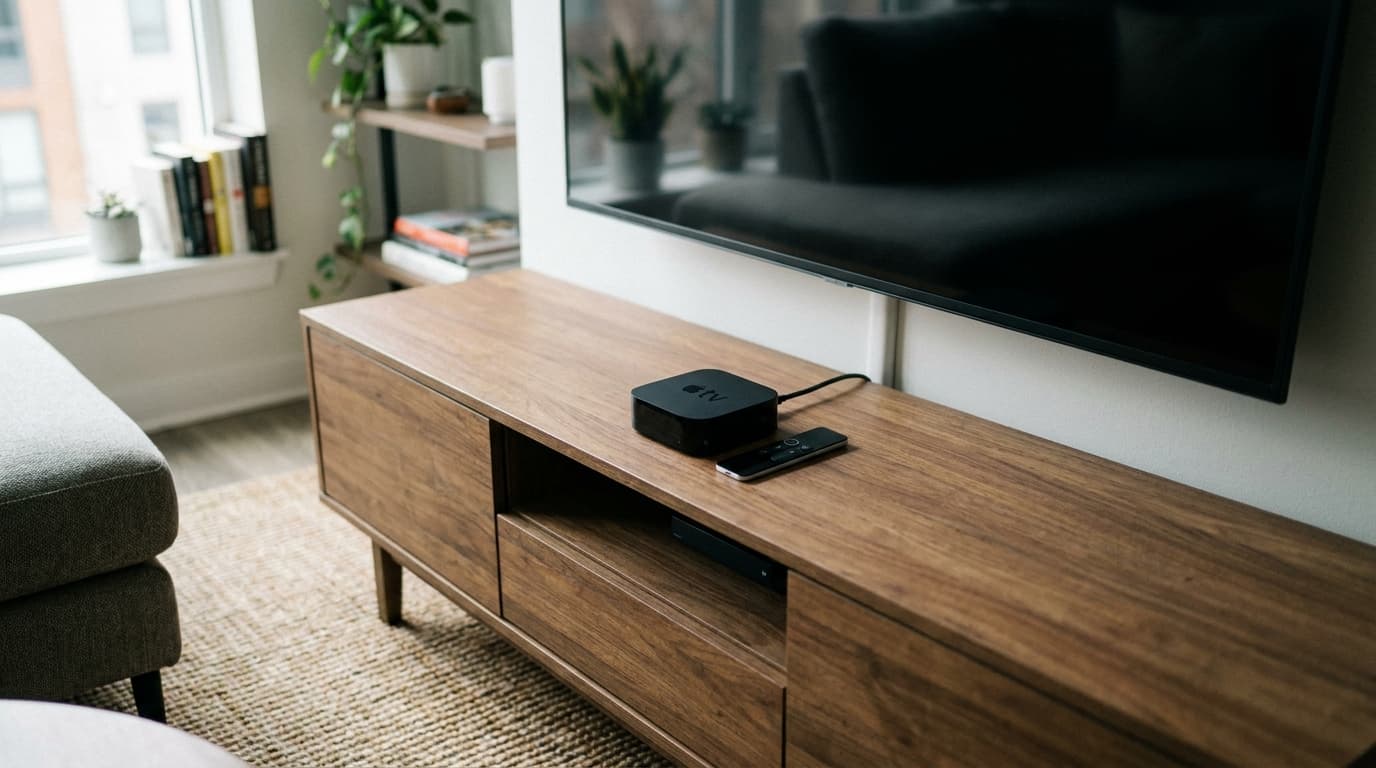
TL;DR: A new rumor suggests the next Apple TV will have a built-in microphone. This would let it function as a hands-free smart home hub, responding to Siri commands without needing the remote or a nearby HomePod.
Key facts
- Category
- Tech Updates
- Impact
- Medium
- Published
- Source
- The Verge
Full summary
The next Apple TV may get a built-in microphone, turning the device into a hands-free Siri-powered smart home hub.
According to recent rumors, Apple is preparing an update to its Apple TV set-top box that could significantly change its role in the home. The key change would be the inclusion of a built-in microphone, which would allow the device to respond to “Hey Siri” commands directly. This would eliminate the current need to press a button on the remote or have a HomePod nearby to control the device with your voice. The Verge reports that this would enable the Apple TV to function as a more capable smart home hub, letting users manage lights, thermostats, and locks without searching for the remote. Additionally, the remote itself is rumored to be getting an upgrade with a built-in speaker, which could help users locate it when it gets lost.
The technology behind this potential shift is not new, but its integration into the Apple TV would be a notable step. The built-in microphone would likely be a far-field microphone array, similar to the technology used in smart speakers like Apple's HomePod and Amazon's Echo devices. These systems use multiple microphones and signal processing algorithms to isolate a user's voice from ambient background noise, even from across a room. This is crucial for the device to function effectively as a hands-free hub. The addition of a speaker to the remote is a more straightforward engineering choice, likely leveraging Apple's existing “Find My” technology. By adding a U-series chip and a small speaker, the remote could emit a sound when pinged from an iPhone, solving a common and persistent user frustration.
This move fits into Apple's broader strategy of ambient computing, where technology becomes more integrated and less intrusive. By embedding Siri's listening capabilities directly into the TV box, Apple makes its ecosystem more accessible throughout the home. This also positions the Apple TV as a stronger competitor to devices like the Amazon Fire TV Cube, which already has a built-in microphone for hands-free Alexa control. For years, Apple has prioritized user privacy, often at the expense of the feature parity seen in Google and Amazon products. The potential inclusion of an always-on microphone suggests a calculation that the convenience of a hands-free hub now outweighs the potential privacy concerns, or more likely, that Apple is confident its on-device processing can address these concerns to its standards.
For technical and security leaders, this development warrants attention. An always-on microphone in a central living room device introduces a new node on the network that requires security consideration. While Apple has a strong track record with on-device processing for Siri requests, any internet-connected listening device presents a theoretical attack surface. Businesses that operate within the smart home ecosystem should see this as a signal of Apple's deepening commitment to HomeKit, potentially opening up new integration opportunities. The key thing to watch for in an official announcement will be Apple's specific implementation of privacy controls, such as a physical microphone mute switch or transparent indicators, which will be critical for building and maintaining user trust in a device that is always listening.
Why it matters
For technical leaders, this move signals Apple's push to embed ambient computing deeper into the home. An always-on microphone in a TV device introduces new security and privacy considerations for corporate and home networks, expanding the potential attack surface for smart home ecosystems.
Business impact
This positions the Apple TV as a more direct competitor to Amazon's Echo and Google's Nest Hub. For businesses developing smart home products, this creates another major platform to integrate with, but also raises the bar for privacy and security in the connected home market.
Tags
Related on Notifire
Related stories
Primary source: The Verge