Trump Announces Trade War for 90-Days, Pause on Tariffs for Most Countries
- China Faces 125% Tariff as Trade Tensions Escalate
- Global Markets React Positively to Tariff Shift
- What This Move Means for U.S.-China Economic Relations
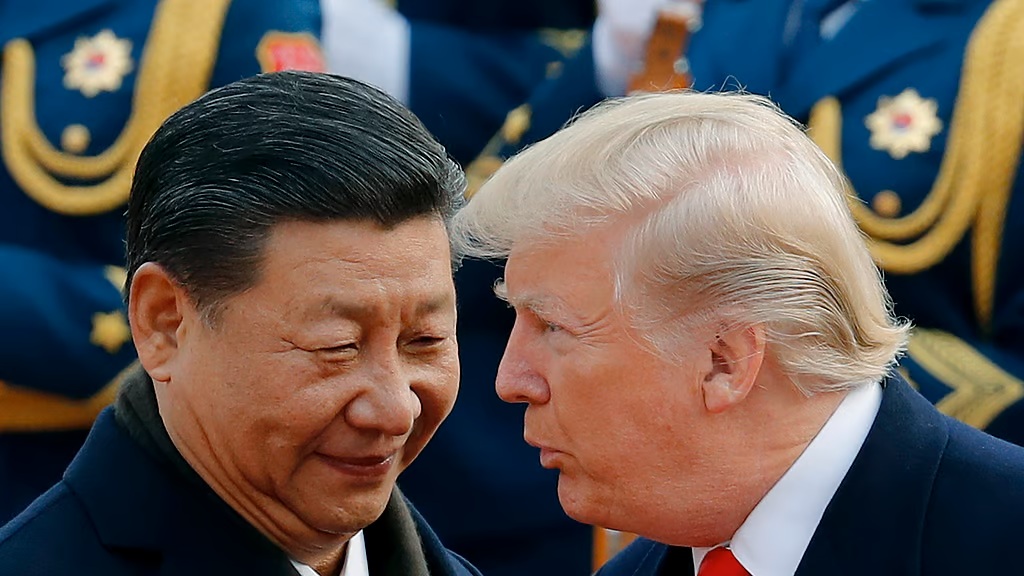
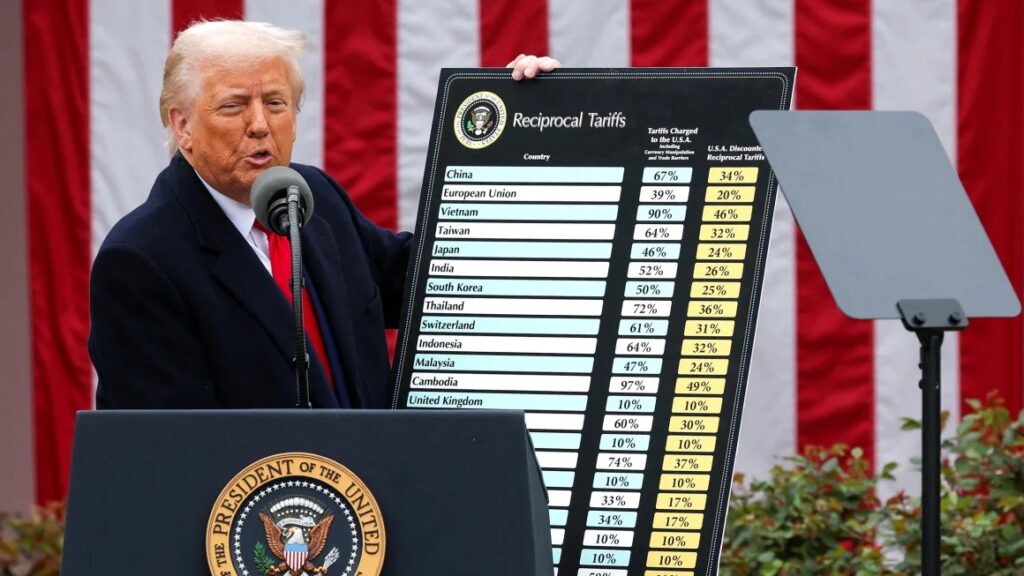
In a dramatic shift in trade policy, former President Donald Trump, now the presumptive Republican nominee for the 2024 U.S. presidential election, has announced a 90-day pause on tariffs for most countries while simultaneously slapping a massive 125% tariff on Chinese goods. This bold move, dubbed the latest escalation in Trump’s Trade War, signals a major pivot in his economic strategy and is already sending ripples across global markets.
As reported by CNBC, Trump’s new trade stance was unveiled during a press conference at Mar-a-Lago, where he claimed the decision was aimed at protecting American jobs while punishing what he labeled as “unfair Chinese economic practices.” The announcement marks one of the most aggressive moves in Trump’s Trade War, which has been a central theme of his political platform since 2016.
Trump Announces Trade War 90-Day Pause on Tariffs for Most Countries
In what is being viewed as a temporary olive branch to U.S. allies, Trump has confirmed that countries like Canada, the United Kingdom, Mexico, and members of the European Union will receive a 90-day exemption from existing tariffs. According to the Times of India’s coverage, this grace period is designed to renegotiate more favorable bilateral trade agreements and restore strained diplomatic ties.
The 90-day pause allows us to fix bad deals without hurting our friends,” Trump said during the announcement. “But with China, the story is completely different.”
This strategic pause is widely seen as an attempt to strengthen U.S. alliances ahead of the upcoming elections and focus economic firepower directly on Beijing.
China Faces 125% Tariff as Trade War Tensions Escalate
While other nations are breathing a temporary sigh of relief, China is bracing for impact. Effective immediately, all Chinese imports into the U.S. will face a 125% tariff, a staggering increase that dwarfs the previous 25% rate imposed during the initial phase of Trump’s Trade War.
Trump accused China of “rampant intellectual property theft, currency manipulation, and unfair trade practices,” asserting that the U.S. has no choice but to hit back hard. “We’ve been taken advantage of for decades. That ends now,” he declared.
This move is likely to inflame already tense relations between the world’s two largest economies. Chinese officials have yet to issue a formal response, but early signs suggest retaliatory measures are being prepared.
Global Markets React Positively to Tariff Shift
Despite fears of a renewed trade conflict, global financial markets responded positively to Trump’s announcement. Wall Street surged, with the Dow Jones Industrial Average jumping 450 points in intraday trading following the news. Investors appeared to welcome the 90-day reprieve for U.S. allies, interpreting it as a signal of potential economic stability in the short term.
According to analysts cited by CNBC, the temporary relief gives businesses breathing room and reduces the risk of a global trade recession, at least for now. However, they caution that the heavy tariffs on China could have long-term consequences, particularly for industries reliant on Chinese supply chains.
Still, market sentiment indicates cautious optimism, with many hoping this phase of Trump’s Trade War will lead to more targeted negotiations rather than blanket global tariffs.
What This Move Means for U.S.-China Economic Relations
The latest development in Trump’s Trade War could mark a turning point in U.S.-China economic relations. Experts say the punitive 125% tariff is not just about trade—it’s a broader geopolitical maneuver. With tensions rising over Taiwan, cybersecurity, and global influence, trade has become the newest battlefield.
As noted by Times of India, this tariff escalation could severely disrupt the global electronics, automotive, and manufacturing sectors, which are heavily intertwined with Chinese exports. U.S. companies dependent on Chinese components may face rising costs, potentially leading to higher consumer prices.
Some analysts argue that Trump’s approach could backfire, weakening the very industries he aims to protect. Others believe this aggressive tactic may force China to make concessions, as happened during earlier phases of Trump’s Trade War.
The Road Ahead
As the 2024 election approaches, Trump’s Trade War is expected to be a cornerstone of his campaign narrative. By taking a tough stance on China while offering temporary relief to allies, Trump appears to be positioning himself as both a defender of American interests and a negotiator willing to compromise on his own terms.
What remains to be seen is how China will respond and whether the 90-day pause leads to new trade deals or merely delays further economic turbulence. For now, the world watches closely as the next chapter of Trump’s Trade War unfolds—potentially more intense and consequential than ever before.
For more insight visit Notifire