Source: Financial Express
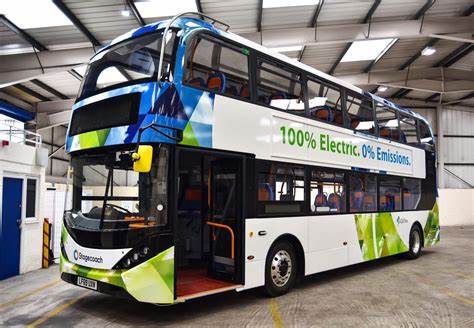
Uttar Pradesh has taken a major leap towards sustainable urban development and cleaner air with the introduction of 100 electric buses, which are set to be launched during the auspicious occasion of Navratri. This initiative, in alignment with India’s larger push towards green energy and reducing carbon emissions, aims to tackle the growing issue of air pollution in the state’s major urban centers.
Background of the Initiative
Uttar Pradesh, the most populous state in India faces significant air quality challenges particularly in cities like Lucknow, Kanpur, and Varanasi. The rising levels of particulate matter (PM2.5 and PM10) in the air, combined with emissions from traditional diesel-powered public transportation, have led to deteriorating air conditions, affecting public health and quality of life.
To address this issue, the state government has aligned itself with India’s National Electric Mobility Mission Plan (NEMMP) 2020 and the Faster Adoption and Manufacturing of Hybrid and Electric Vehicles (FAME) scheme, launched by the central government. These national policies encourage the use of electric vehicles (EVs) and provide subsidies for the adoption of eco-friendly technologies in the public transportation sector. Uttar Pradesh’s decision to introduce electric buses is a direct outcome of these policies and aims to significantly reduce vehicular emissions, which are a major contributor to air pollution.
The Electric Buses: Features and Impact
The 100 electric buses being introduced are expected to operate in the state’s key cities focusing on highly congested routes where pollution levels tend to be the highest. These buses, powered entirely by electricity, offer numerous benefits compared to their diesel counterparts:
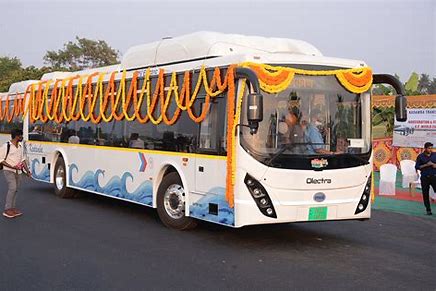
- Zero Emissions: Electric buses run on electricity, which means they produce no tailpipe emissions, directly contributing to better air quality. This is crucial in cities like Kanpur and Lucknow, where vehicular pollution is a primary source of smog and poor air quality.
- Cost-Effective: While the initial investment in electric buses is higher than traditional diesel buses, their long-term operational costs are significantly lower. Electric buses have fewer moving parts, leading to reduced maintenance costs and longer life spans. Additionally, as electricity is cheaper than diesel, operating these buses is more economical, saving on fuel costs.
- Energy Efficiency: Electric buses are far more energy-efficient than traditional combustion engines. The energy conversion efficiency in electric vehicles is higher, meaning that a larger portion of the energy stored in the battery is used to move the bus, with minimal energy loss.
- Noise Reduction: Electric buses are much quieter compared to diesel buses. This contributes to noise pollution reduction in busy cities, improving the overall urban environment and quality of life for residents.
- Passenger Comfort: With smoother acceleration and less noise, electric buses offer a more comfortable and pleasant ride for passengers, making public transportation a more attractive option.
The Importance of Timing: Navratri Launch
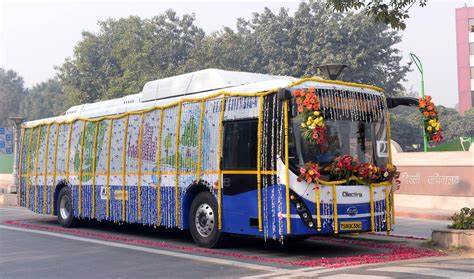
Navratri, a festival celebrated with great enthusiasm across Uttar Pradesh, marks an important time for new beginnings and initiatives. By launching these electric buses during Navratri, the state government is leveraging the festive spirit to promote its green initiative, creating awareness among the public about the importance of sustainable transportation.
The timing is symbolic, representing a shift towards cleaner, more responsible public transportation systems, as the state aims to both celebrate tradition and embrace modern, eco-friendly solutions. The Navratri launch also aligns with the increased footfall and travel during the festival, when more people are expected to use public transport.
Government Commitment to Green Transport
This move is part of a larger vision by the Uttar Pradesh government to make its public transport system greener. In addition to electric buses, the state has been working on developing electric vehicle infrastructure, including charging stations and maintenance facilities, to support the growing fleet of electric vehicles.
Furthermore, the state government has announced plans to gradually phase out older and more polluting diesel buses and replace them with electric buses over the coming years. This is in line with its ambition to transform Uttar Pradesh into a green transportation hub, contributing to India’s broader goal of reducing carbon emissions under the Paris Agreement.
Challenges and Future Prospects
While the introduction of 100 electric buses is a positive step, there are challenges that need to be addressed for the initiative to achieve its full potential. One of the major concerns is the development of adequate charging infrastructure. For the electric bus fleet to operate efficiently, the state must invest in fast-charging stations at bus depots and across urban routes. Another challenge is the management of battery disposal, as the batteries used in electric vehicles have a finite lifespan and need to be recycled or disposed of responsibly to avoid environmental harm.
Looking ahead, Uttar Pradesh’s electric bus initiative is a promising beginning. With proper planning, continued investment and public support, the state can significantly reduce its carbon footprint and lead by example in promoting green transportation. As the state expands its fleet and improves infrastructure, electric buses could become a cornerstone of Uttar Pradesh’s transportation system, helping to create cleaner and healthier cities for future generations.
The launch of 100 electric buses in Uttar Pradesh this Navratri marks a significant step in the state’s journey towards sustainable urban transportation. By embracing electric mobility, the government is addressing the urgent need to combat air pollution and improve public health. This initiative not only aligns with India’s broader green energy goals but also sets an example for other states to follow. As Uttar Pradesh moves towards a cleaner and greener future this Navratri, electric buses will play a crucial role in improving air quality and enhancing the overall quality of life for its citizens.
Follow for more updates.