Source: The Economic Times
The US economy has been under significant strain throughout 2024, and many experts are now predicting a recession post-November 5. This projection comes on the heels of various economic indicators flashing warning signs, from sluggish growth to rising interest rates and geopolitical disruptions. The anticipation of a downturn has left businesses, investors, and consumers bracing for impact. In this blog, we’ll explore why the US is on the brink of a recession, the key factors contributing to this economic shift, and what the potential outcomes could mean for different stakeholders.
1. Economic Indicators Pointing to a Slowdown
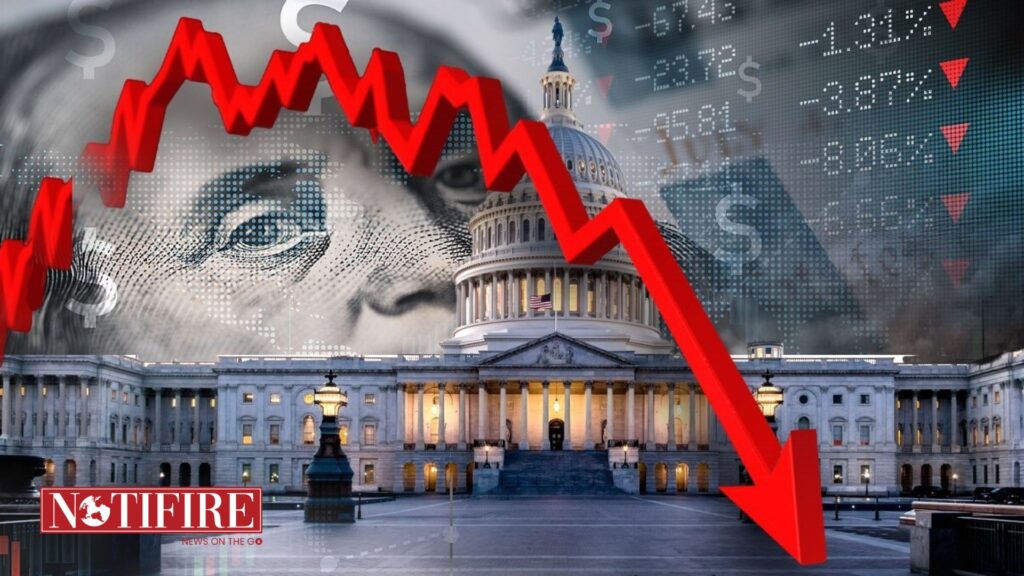
Over the past few quarters, several critical economic indicators have hinted at an impending slowdown. GDP growth, which was once a reliable signal of economic strength, has been slowing down. The most recent data shows a decline in consumer spending and business investments, which are essential for a robust economy. In addition, manufacturing activity has been contracting, reflecting lower output and weakening demand both domestically and globally.
Unemployment figures, while still relatively low, have begun to inch up. The labor market, which has been resilient, is now showing signs of softening as companies freeze hiring or resort to layoffs to cut costs. This trend is typically a precursor to more widespread economic challenges. With these key metrics declining, the stage is set for an economic downturn.
2. The Impact of Rising Interest Rates
One of the most significant contributors to the projected recession is the aggressive monetary policy adopted by the US Federal Reserve. Throughout 2023 and 2024, the Fed raised interest rates multiple times in its attempt to curb high inflation. While inflation has come down from its peak, the cost of borrowing has surged, affecting everything from consumer loans to corporate financing.
High interest rates make it more expensive for individuals to buy homes, cars, and other big-ticket items, which dampens consumer spending—a critical component of the US economy. Similarly, businesses face higher costs when taking loans to fund operations or expansions, leading to reduced investments. This combination of decreased consumer and business spending has stunted economic growth and heightened recession risks.
3. Persistent Inflationary Pressures
Despite the Federal Reserve’s best efforts, inflationary pressures remain persistent, particularly in certain sectors like food and energy. Supply chain disruptions, exacerbated by geopolitical tensions such as the ongoing Russia-Ukraine conflict and strained relations with key global partners, have led to increased costs for raw materials and goods. These factors contribute to inflation that continues to outpace wage growth, leaving consumers with less purchasing power.
The result is a slowdown in retail sales and other consumer-driven economic activities. This dynamic fuels a feedback loop where reduced consumer spending impacts business revenues, leading to further economic contraction.
4. Geopolitical Tensions and Global Slowdown
The global economy plays a significant role in the health of the US economy. Weakening economic conditions in Europe and Asia have also weighed on American exports. Trade disputes, lingering effects from the COVID-19 pandemic, and new geopolitical issues have disrupted global supply chains, making it harder for US companies to do business abroad.
Moreover, the ongoing conflict in the Middle East has caused fluctuations in oil prices, adding to the uncertainty and cost pressures facing businesses and consumers alike. When global economic health deteriorates, the US economy often feels the impact through reduced trade and investment.
5. Stock Market Volatility and Investor Sentiment
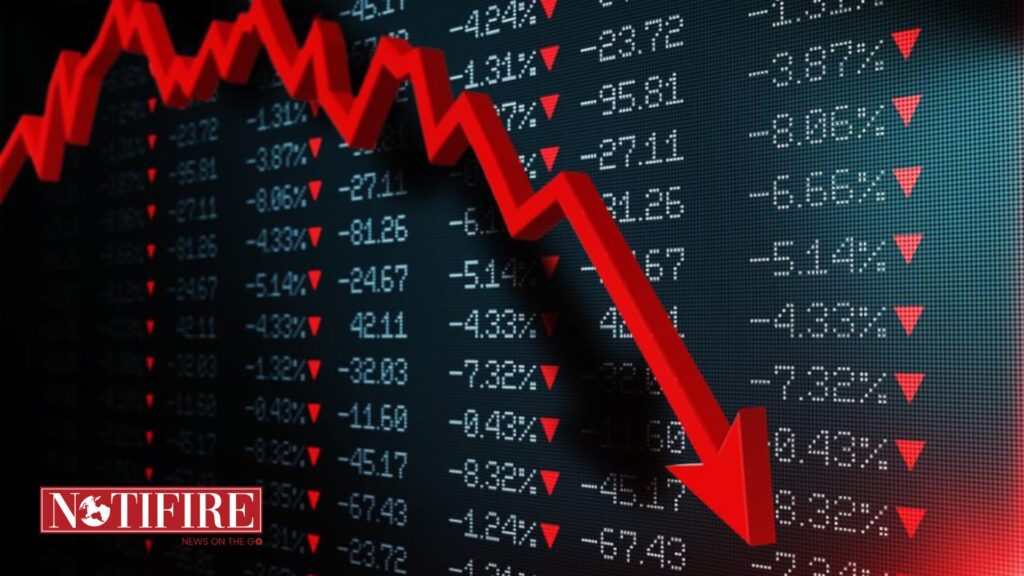
Financial markets are often a barometer of future economic performance. Recent months have seen significant volatility in the stock market, with major indices experiencing sharp declines. Investors are spooked by the potential for a recession, shifting their portfolios toward safer assets such as bonds. This flight to safety reduces liquidity in the stock market and can exacerbate economic concerns.
Gurmeet Chadha and other financial experts have pointed out that this bearish sentiment could lead to further financial tightening. As businesses see their stock values drop, they may become more conservative, reducing spending and investments—actions that further dampen economic activity.
What Could Happen After November 5?
The predicted recession post-November 5 aligns with several key developments. The Federal Reserve’s potential interest rate decisions, upcoming labor market data, and the impact of geopolitical factors will be critical in determining the exact nature and severity of the downturn. While some analysts believe the recession may be mild and short-lived, others warn of a prolonged period of economic stagnation that could extend well into 2025.
The sectors likely to be most affected include real estate, technology, and manufacturing. Conversely, more defensive sectors such as utilities and consumer staples may see less of an impact. Consumers can expect tightened credit conditions, making loans more difficult to secure and more expensive to repay.
How to Prepare for the Economic Downturn
For businesses, the key to weathering the potential recession is to focus on cost-cutting measures, build cash reserves, and reconsider expansion plans. Diversifying revenue streams and investing in technology to improve efficiency could also be strategic moves.
Individuals should consider managing their expenses carefully, building an emergency fund, and reviewing investment portfolios to ensure they align with a risk-averse strategy.
Conclusion
While the prospect of a recession after November 5 may seem daunting, understanding the contributing factors and potential outcomes can help businesses and individuals prepare more effectively. Although the road ahead is uncertain, proactive steps can mitigate the impact of the economic downturn and help maintain financial stability during challenging times.
Follow for more updates.