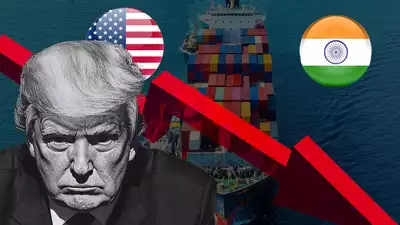
US tariffs on Indian imports have sent shockwaves through global markets. On April 2, 2025, President Donald Trump announced a 26% tariff on Indian imports, triggering a major downturn in the Indian stock market. This move, aimed at reshaping trade relations, led to Sensex falling by 355 points and Nifty dropping by 95 points.
While India’s tariffs are lower compared to Thailand (36%) and Indonesia (32%), the deep economic ties between India and the US make this decision a cause for concern. Let’s explore five major impacts of these new tariffs.
1. Stock Market Volatility Hits Indian Investors Hard
The immediate fallout of the Us tariffs hike was visible in the stock market. Investors reacted with panic selling, leading to:
- Sensex plummeting by 355 points within hours of the announcement.
- Nifty dropping 95 points, reflecting reduced confidence in export-heavy industries.
- Stocks of Indian exporters, especially in textiles, pharmaceuticals, and auto parts, witnessing sharp declines.
Experts predict that market instability may persist as investors analyze long-term economic consequences.
2. Textile & Apparel Industry Faces a Major Setback
India is one of the largest textile exporters to the US, and these tariffs mean:
- Higher prices for Indian-made clothes in the US, reducing demand.
- More competition from Bangladesh, Vietnam, and Mexico, which might now become preferred suppliers.
- Job losses in India’s textile sector, as companies struggle to absorb increased costs.
The $8 billion Indian textile industry heavily relies on US exports, and this tariff hike could lead to factory closures and reduced production.
3. Pharma Exports to the US Under Threat
India supplies nearly 40% of generic drugs to the US, making pharmaceuticals a crucial sector. With higher US tariffs, American buyers may:
- Shift to domestic or alternate suppliers.
- Demand price renegotiations, hurting Indian pharma companies’ profit margins.
- Reduce orders, impacting stock prices of major pharma firms like Sun Pharma and Dr. Reddy’s.
This could shake India’s pharmaceutical dominance in the US market.
4. Increased Trade Tensions Could Lead to Retaliation
The Indian government is under pressure to respond strategically. Possible countermeasures include:
- Retaliatory tariffs on American goods such as electronics, agricultural products, and motorcycles.
- Strengthening trade partnerships with Europe and China to reduce dependence on the US market.
- Lobbying for trade exemptions through diplomatic negotiations.
If India retaliates, this could escalate into a full-fledged trade war, further impacting businesses and global trade relations.
5. The IT Sector Might Face Indirect Consequences
While software exports are not directly affected, the ongoing trade tensions could create new challenges:
- Stricter US outsourcing policies, leading to fewer contracts for Indian IT firms.
- A stronger US dollar making Indian IT services more expensive.
- Increased scrutiny on H-1B visas, impacting Indian tech professionals working in the US.
India’s $150 billion IT industry depends heavily on US clients, so any policy shifts could have long-term effects.
What’s Next? Can India Overcome This Economic Shock?
While the short-term impact is alarming, India has a few ways to mitigate these challenges:
- Negotiating trade relief with the US to lower tariffs.
- Expanding trade partnerships in Europe and Asia.
- Providing subsidies to affected industries to maintain export competitiveness.
- Encouraging domestic manufacturing to reduce reliance on exports.
Final Thoughts: A Defining Moment for Indian Trade
The US tariffs on Indian imports have sparked a financial storm, shaking investor confidence and disrupting key industries. While the situation remains fluid, India’s response in the coming months will determine its economic resilience.
How do you think these Us tariffs will impact India’s economy in the long run? Share your thoughts in the comments below!
Follow us for more insights