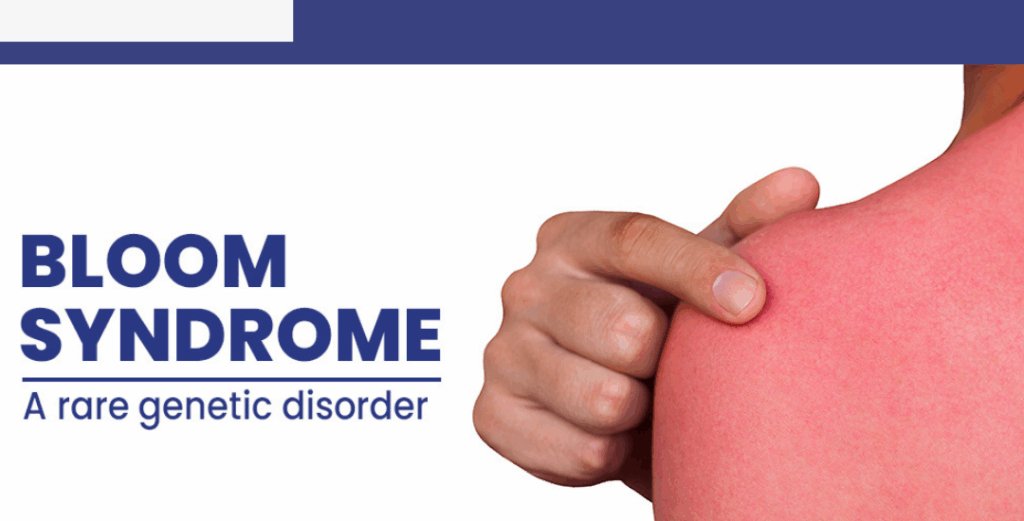
Bloom Syndrome is a rare genetic disorder that affects growth, skin, and overall health. It is considered one of the rarest health conditions, yet its impact on daily life can be significant. Doctors and researchers describe Bloom Syndrome as a condition linked to DNA repair problems, which makes people more vulnerable to health issues, especially cancer and infections.
Simple Meaning of Bloom Syndrome
In simple words, Bloom Syndrome is a rare genetic disorder where the body’s cells have trouble repairing DNA damage. This results in growth delays, skin problems, and a weaker immune system. Since DNA is the building block of our body, any defect in its repair process can cause many health-related challenges.
What Causes Bloom Syndrome
Bloom Syndrome happens because of a change in the BLM gene, which is responsible for repairing DNA. When this gene does not work properly, cells in the body cannot fix damage effectively. This leads to an increase in chromosome breaks and instability. As a result, people with Bloom Syndrome are more likely to develop cancers, lung infections, and other long-term health conditions.
Signs and Health Problems
The symptoms of Bloom Syndrome usually appear in childhood. Some common signs include:
- Short height and slow growth compared to other children.
- Red, sun-sensitive skin, especially on the face.
- A high-pitched voice.
- Weak immune system, leading to frequent infections.
- Higher risk of cancer at a younger age.
Apart from these, people with Bloom Syndrome may also face fertility problems and learning difficulties. The combination of these issues makes it one of the most challenging rare genetic disorders to manage.
Can It Be Treated or Managed
Currently, there is no permanent cure for Bloom Syndrome. However, with proper medical care, patients can manage the condition better. Doctors usually focus on:
- Regular health check-ups to detect cancer early.
- Antibiotics or vaccines to fight infections.
- Skin care treatments to reduce rashes and sun damage.
- Genetic counseling for families to understand the risks.
Since it is a lifelong health condition, early diagnosis plays a very important role in improving the quality of life.
Living with Bloom Syndrome
Living with Bloom Syndrome can be challenging, but with the right support, individuals can lead meaningful lives. Families, doctors, and communities play an important role in helping patients cope. Awareness about this rare genetic disorder is still low. By understanding the disorder better, society can create stronger support systems for patients and their families.
Conclusion
Bloom Syndrome is a rare genetic disorder that affects growth, immunity, and overall health. While there is no cure yet, proper medical care and family support can help manage the condition. Raising awareness is the key step toward ensuring that people living with this health condition get the care, attention, and dignity they deserve.
Stay tuned With Notifire for more updates.