Source: India Today
The Indian automobile industry, which has traditionally been one of the driving forces of the country’s economy, is witnessing turbulence in the stock market. Recently, the stocks of prominent automakers like Bajaj Auto, Hero MotoCorp, and Maruti Suzuki have faced a significant decline. This downward trend has caused concern among investors and analysts, raising questions about the underlying reasons behind the fall in auto stocks.
Several factors have contributed to this dip, ranging from macroeconomic challenges, global market conditions, and rising costs to consumer sentiment and regulatory changes. This blog post will explore the key reasons behind the drop in the stock prices of leading auto manufacturers like Bajaj Auto, Hero MotoCorp, and Maruti, and what it could mean for the industry in the coming months.
1. Impact of Rising Raw Material Costs
One of the main reasons auto stocks are taking a hit is the rising cost of raw materials. Automobile manufacturing relies heavily on raw materials like steel, aluminum, and rubber. Over the past year, these material costs have surged significantly due to global supply chain disruptions and inflationary pressures.
The rising input costs are squeezing the profit margins of auto manufacturers, and companies like Bajaj Auto, Hero MotoCorp, and Maruti are finding it difficult to pass on these additional costs to consumers without affecting demand. This has led to lower profitability expectations, which is being reflected in their stock prices.
2. Sluggish Domestic Demand and Festive Season Performance
Another factor contributing to the fall in auto stocks is the sluggish domestic demand in the Indian market. While automakers were hopeful that the festive season would revive consumer sentiment and drive sales, the results have been underwhelming. Typically, the festive season is considered a peak period for automobile sales in India, as consumers prefer making big-ticket purchases during this time.
However, due to a combination of factors, including inflationary pressures, high fuel costs, and rising interest rates on auto loans, consumers are holding back on purchasing new vehicles. This muted demand has led to weaker-than-expected sales performance, especially in the two-wheeler and entry-level passenger car segments, directly impacting the stock prices of companies like Hero MotoCorp and Maruti Suzuki.
3. Global Economic Uncertainty and Supply Chain Disruptions
The auto sector has been deeply affected by the ongoing global economic uncertainty. Supply chain disruptions, which began during the COVID-19 pandemic, continue to haunt the industry. One of the most significant challenges faced by automakers today is the semiconductor shortage.
Semiconductors are essential components in modern vehicles, powering everything from safety features to infotainment systems. However, due to global supply chain constraints, manufacturers are facing severe shortages, causing production delays and leading to lower sales volumes. Bajaj Auto, Hero MotoCorp, and Maruti have all experienced these delays, further dragging down their production capacities and hurting revenue.
In addition to the semiconductor shortage, rising fuel costs and geopolitical tensions, especially those surrounding the Ukraine-Russia conflict, have added to the uncertainty. The disruption in the supply chain has significantly impacted the ability of auto companies to meet demand, thus contributing to falling stock prices.
4. Transition to Electric Vehicles (EVs) and Regulatory Changes
The transition to electric vehicles (EVs) is another significant factor affecting the performance of traditional automakers. Governments around the world, including India, are pushing for a shift towards greener mobility solutions, encouraging the adoption of electric vehicles. While this transition presents opportunities, it also poses challenges for companies that are heavily invested in internal combustion engine (ICE) vehicles.
Companies like Bajaj Auto and Hero MotoCorp, which dominate the two-wheeler market, are under pressure to adapt to the changing landscape. The increasing competition from EV startups, as well as established players that are ramping up their EV portfolios, is putting pressure on traditional automakers. Maruti Suzuki, which has been a market leader in the passenger vehicle segment, has also been slower to embrace EVs compared to its competitors. This shift is creating uncertainty about the future profitability of these companies, leading to a negative impact on their stock prices.
In addition, stricter emission norms and regulations from the Indian government are forcing automakers to invest heavily in research and development to comply with the new standards. These regulatory changes are increasing costs for automakers, further squeezing their margins and dragging down investor sentiment.
5. Weak Global Cues and Investor Sentiment
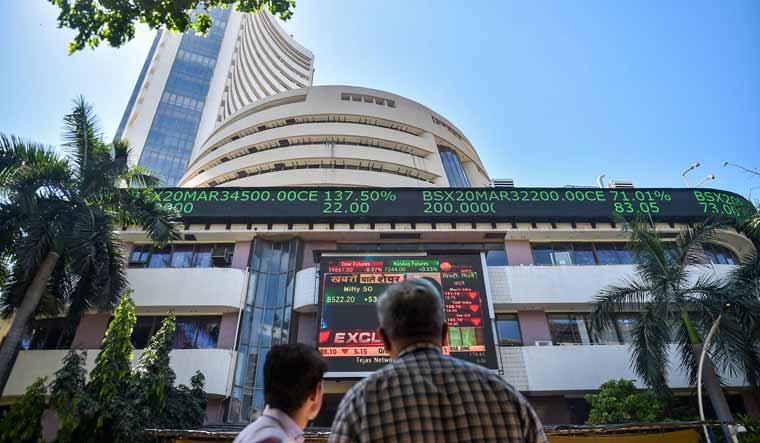
The stock market is not only influenced by company-specific factors but also by broader market trends. Weak global cues and negative sentiment in international markets are contributing to the decline in auto stocks. Global stock markets have been volatile due to concerns over inflation, interest rate hikes by central banks, and fears of a global recession.
These macroeconomic factors are leading to risk aversion among investors, prompting them to move away from cyclical sectors like automobiles. Additionally, the performance of the Indian stock market is often influenced by foreign institutional investors (FIIs), who have been net sellers in recent months. This outflow of foreign capital is further exacerbating the decline in auto stocks.
6. Rising Interest Rates and Financing Costs
The Reserve Bank of India (RBI), like many other central banks worldwide, has been raising interest rates to combat inflation. This increase in interest rates is making auto loans more expensive for consumers, thereby affecting the demand for new vehicles. Automobiles, especially two-wheelers and entry-level cars, are highly price-sensitive products in India, and any increase in financing costs has a direct impact on sales.
Higher interest rates are also increasing the borrowing costs for automakers, which rely on debt financing for expansion and production activities. This rise in financing costs is putting additional pressure on their profitability, contributing to the decline in stock prices for Bajaj Auto, Hero MotoCorp, and Maruti.
The recent decline in auto stocks, including Bajaj Auto, Hero MotoCorp, and Maruti Suzuki, is the result of a confluence of factors. Rising raw material costs, sluggish domestic demand, global supply chain disruptions, and the ongoing transition to electric vehicles are some of the key challenges facing the industry. Additionally, regulatory changes, weak global cues, and rising interest rates are further weighing on investor sentiment.

While these factors are causing short-term pain for the auto industry, the long-term outlook remains optimistic as companies adapt to new technologies and market conditions. Automakers will need to focus on innovation, cost management, and product diversification to navigate these challenges and regain investor confidence in the future. Investors should closely monitor these developments as they could present both risks and opportunities in the evolving auto market landscape.
Follow for more updates.