When it comes to car design, every feature has its purpose, from advanced infotainment systems to electronic parking brakes. Among these elements, one often-overlooked component is the Dead Pedal. Though it might not be as glamorous as the latest infotainment system or as essential as Advanced Driver Assistance Systems (ADAS), the dead pedal plays a crucial role in the driving experience. In this blog, we’ll explore why dead pedals are important and outline their various uses and benefits.
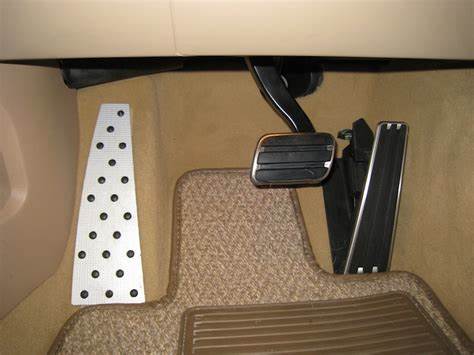
What is a Dead Pedal?
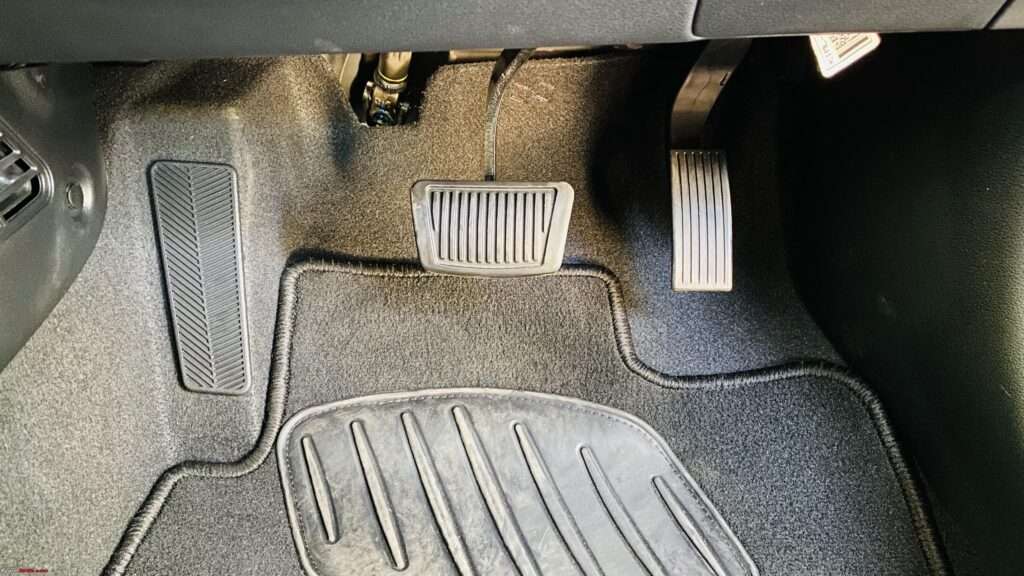
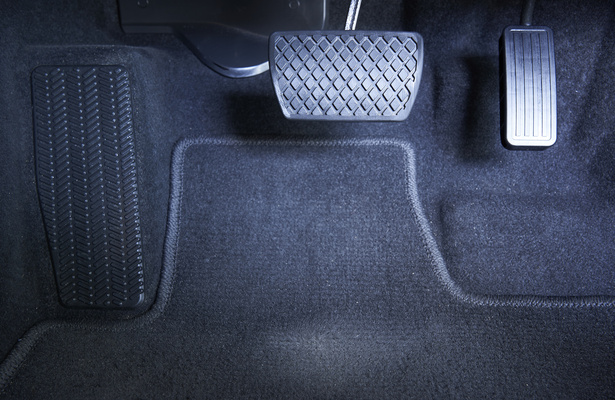
A dead pedal, sometimes known as a footrest, is a non-operational pedal located to the left of the clutch (in manual transmissions) or the brake pedal (in automatic transmissions). Its primary purpose is to provide a resting place for the driver’s left foot. While it doesn’t have any direct mechanical function like the other pedals, its impact on the overall driving experience is significant.
Enhancing Driver Comfort
One of the main advantages is the comfort it offers during long drives. By providing a dedicated place for the left foot, it allows drivers to rest their foot rather than having it dangle or shift awkwardly. This support can reduce fatigue, particularly during extended periods of driving, making journeys more pleasant and less strenuous.
Improving Driving Ergonomics
The dead pedal also plays a vital role in the ergonomics of the vehicle. A well-placed dead pedal helps drivers maintain a more natural and comfortable driving posture. It allows the driver to brace their left foot against a firm surface, which can improve control and stability while driving. This is especially important in situations that require quick reflexes or precise control, such as during aggressive driving or on challenging terrains.
Providing Better Vehicle Control
Proper use of the dead pedal can enhance vehicle control. For manual transmission vehicles, the dead pedal helps stabilize the driver’s left leg while operating the clutch. This stabilization is crucial when maneuvering through complex driving scenarios, such as hill starts or tight corners. In automatic vehicles, this pedal contributes to overall stability and control by providing a firm point of contact for the driver’s foot, reducing the likelihood of foot slippage and improving reaction times.
Supporting Safety
From a safety perspective, a dead pedal can be an important asset. By allowing the driver to maintain a stable foot position, it reduces the risk of foot fatigue and distraction. This stability helps in keeping the driver’s focus on the road, thereby reducing the chances of accidents caused by sudden or uncontrolled movements. Additionally, these pedals can be beneficial in emergency situations, where quick and precise control is necessary.
Enhancing Pedal Interaction
In vehicles with advanced driving features, such as adaptive cruise control or lane-keeping assist, a dead pedal aids in maintaining a consistent and relaxed driving position. By providing a stable point of contact, it ensures that the driver can comfortably interact with these features without having to adjust their foot positioning constantly. This can lead to a more seamless driving experience and better overall utilization of these advanced systems.
Aesthetic and Functional Integration
While primarily functional, dead pedals also contribute to the aesthetic design of the vehicle’s interior. Many modern cars incorporate stylish dead pedals that complement the overall design theme, blending functionality with aesthetics. This integration enhances the look of the cabin while serving its practical purpose.
In summary, the dead pedal may seem like a simple feature, but its importance in driving comfort, ergonomics, and safety cannot be understated. By providing a resting place for the driver’s left foot, it enhances overall driving experience, improves vehicle control, and supports better safety practices. Whether you’re driving a manual or automatic transmission vehicle, appreciating the role of the dead pedal can lead to a more enjoyable and controlled driving experience. So next time you get behind the wheel, take a moment to appreciate this often-overlooked feature and the comfort and control it provides.